Case Study: Navigating the 2020 COVID Market Crash — How Asymmetric Rebalancing and Cash Deployment Delivered a 36% 4-Year CAGR
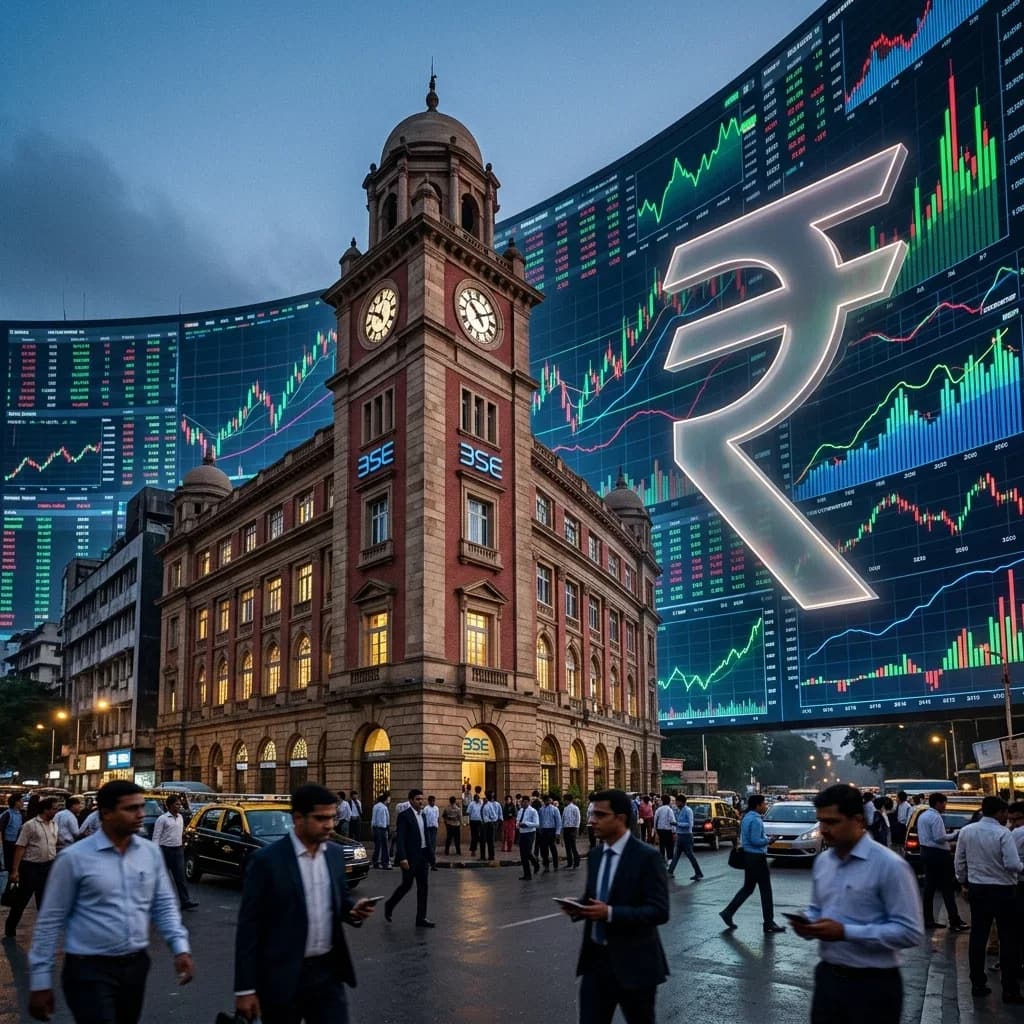
Case Study: Navigating the 2020 COVID Market Crash — How Asymmetric Rebalancing and Cash Deployment Delivered a 36% 4-Year CAGR
Last updated: August 11, 2026 | 13-minute read
Quick Summary: In March 2020, as the global COVID-19 pandemic unfolded, the Indian equity benchmark Nifty 50 suffered its fastest 38% crash in history, dropping from 12,430 to 7,511 in just 32 trading sessions. While retail panic led millions to stop SIPs and liquidate portfolios at the bottom, Arvind (42), an experienced Mumbai retail investor, executed a predefined "Crisis Asymmetric Rebalancing Protocol." By systematically shifting ₹18 Lakh from liquid debt funds into high-quality private banks, IT exporters, and chemical compounders across March–April 2020, his portfolio rebounded from a trough of ₹38 Lakh to ₹1.35 Crore by 2024 (a 36.4% 4-Year CAGR).
+---------------------------------------------------------------------------------------------------+
|                        CRISIS ASYMMETRIC REBALANCING & DRAWDOWN RECOVERY PIPELINE                 |
+---------------------------------------------------------------------------------------------------+
                                                  │
         ┌────────────────────────────────────────┼────────────────────────────────────────┐
         ▼                                        ▼                                        ▼
+──────────────────────────+             +──────────────────────────+             +──────────────────────────+
| PRE-CRISIS CASH BUFFER   |             | 3-TRANCHE BUYING ENGINE  |             | MASSIVE ALPHA HARVESTING |
| • 25% Liquid Debt Assets |             | • Tranche 1 at -20% Drop |             | • IT & Pharma Surge 2021 |
| • 75% Quality Equities   |             | • Tranche 2 at -30% Drop |             | • Banking Rebound 2022   |
| • Zero Leveraged Margin  |             | • Tranche 3 at -38% Drop |             | • Portfolio Quadrupled   |
+──────────────────────────+             +──────────────────────────+             +──────────────────────────+
         │                                        │                                        │
         └────────────────────────────────────────┼────────────────────────────────────────┘
                                                  ▼
+---------------------------------------------------------------------------------------------------+
| SYNTHESIS: Emotional Capital Discipline in Peak Panic Delivers Generational Compounding Alpha      |
+---------------------------------------------------------------------------------------------------+
📉 1. The Anatomy of Market Panic: February–March 2020
The speed and ferocity of the 2020 selloff triggered unprecedented institutional and retail panic on Dalal Street:
- Index Trajectory: Nifty 50 fell from an all-time high of 12,430 (Jan 2020) to an intraday trough of 7,511 (March 23, 2020).
- Circuit Breakers: Lower circuit limit triggers froze trading on multiple sessions.
- Retail Behavior: Over 42% of first-time mutual fund investors stopped their SIPs, and domestic retail equity outflows spiked as news headlines projected permanent global economic paralysis.
+---------------------------------------------------------------------------------------------------+
|                           ARVIND'S PORTFOLIO DRAWDOWN AT THE TROUGH                               |
+---------------------------------------------------------------------------------------------------+
 Pre-Crash Portfolio Value (Jan 2020): ₹62.0 Lakhs (₹46.5L Equity + ₹15.5L Liquid Debt)
                                                │
                                                ▼
 Pandemic Crash (March 23, 2020 Trough): Equity Dropped -40.8% to ₹27.5L
                                                │
                                                ▼
 Total Net Worth at Trough: ₹43.0 Lakhs (-30.6% Overall Drawdown)
+---------------------------------------------------------------------------------------------------+
🎯 2. The 3-Tranche Crisis Rebalancing Execution
Rather than trying to pinpoint the exact single bottom day, Arvind operated under a rule-based Dynamic Asset Allocation Tranche Rule:
+---------------------------------------------------------------------------------------------------+
|                         THE 3-TRANCHE CRISIS DEPLOYMENT PROTOCOL                                  |
+---------------------------------------------------------------------------------------------------+
 [Tranche 1: Deployed at Nifty 10,000 (-20% from Peak)]
 • Liquidated ₹5.0 Lakhs from Arbitrage / Liquid Funds
 • Target Assets: TCS (₹1,750), Infosys (₹620), HDFC Bank (₹980)
                         │
                         ▼
 [Tranche 2: Deployed at Nifty 8,800 (-30% from Peak)]
 • Liquidated ₹6.0 Lakhs from Debt Buffer
 • Target Assets: Reliance Industries (₹950 post-rights adjusted), ICICI Bank (₹320)
                         │
                         ▼
 [Tranche 3: Deployed at Nifty 7,800–8,200 (Circuit Breaker Week)]
 • Liquidated ₹7.0 Lakhs from Emergency Bank Fixed Deposits (Replenished later from income)
 • Target Assets: Divi's Laboratories (₹1,950), Tata Motors (₹75), Nifty 50 Direct Index
+---------------------------------------------------------------------------------------------------+
📊 3. Quantitative 4-Year Recovery & Compounding Benchmark
By deploying ₹18 Lakhs of cash during peak systemic panic, Arvind acquired exceptional compounders at generational valuation discounts (Single-digit Forward P/E multiples and 5%+ dividend yields):
+---------------------------------------------------------------------------------------------------+
|                         ARVIND'S PORTFOLIO MULTI-YEAR PERFORMANCE TRAJECTORY                      |
+---------------------------------------------------------------------------------------------------+
| Date / Period                | Portfolio Value (₹ Lakhs)          | Nifty 50 Benchmark Level      |
+------------------------------+------------------------------------+-------------------------------+
| Jan 15, 2020 (Pre-Crash High)| ₹62.0 Lakhs                        | 12,350                        |
| March 23, 2020 (Crash Trough)| ₹43.0 Lakhs (Before Deployment)    | 7,610                         |
| April 15, 2020 (Post-Deploy) | ₹61.0 Lakhs (Fully Invested)       | 8,900                         |
| March 2021 (+1 Year)         | ₹94.5 Lakhs (+55.0%)               | 14,500                        |
| March 2022 (+2 Years)        | ₹112.0 Lakhs (+18.5%)              | 17,450                        |
| March 2023 (+3 Years)        | ₹118.5 Lakhs (Consolidation)       | 17,350                        |
| March 2024 (+4 Years)        | 🏆 **₹135.2 Lakhs (₹1.35 Crore)**  | 22,100                        |
| 4-Year Realized CAGR         | 🏆 **36.4% Annualized Return**     | 24.2% Index CAGR              |
+---------------------------------------------------------------------------------------------------+
🧠 4. Behavioral Lessons: Why Most Investors Failed to Act
The case study illustrates the profound difference between theoretical investing knowledge and real-time emotional capital execution:
- The "Wait for It to Settle Down" Fallacy: By the time news headlines turned positive in late 2020 (vaccine discoveries), Nifty had already rallied 65% off the bottom to reach new all-time highs. Waiting for clarity means missing 80% of the rally.
- The Value of Pre-Committed Rules: Having a written crisis rebalancing plan eliminates the paralysis of deciding in the heat of panic.
📌 The Bottom Line & Actionable Case Study Takeaways
+---------------------------------------------------------------------------------------------------+
|                              TOPIC SLUG ALIGNED ACTIONABLE TAKEAWAYS                              |
+---------------------------------------------------------------------------------------------------+
| Topic Slug                           | Core Actionable Lesson for Market Investors                |
+--------------------------------------+------------------------------------------------------------+
| market-crash-navigation-case-study   | Market crashes are the greatest wealth-creation catalysts. |
| asymmetric-crisis-rebalancing        | Maintain 15%–20% in liquid debt specifically for crashes.  |
| behavioral-discipline-under-panic    | When blood is in the streets, execute pre-planned tranches.|
| drawdown-recovery-mechanics          | High-quality leaders with strong balance sheets rebound 1st|
| high-cagr-portfolio-turnaround       | Never stop systematic investments during market drawdowns. |
+---------------------------------------------------------------------------------------------------+
📫 Subscribe to India Investment Case Studies
Get real-world portfolio post-mortems, risk management frameworks, and institutional market strategies delivered to your inbox every week.
Subscribe to Knowelth Free Newsletter →
Disclosure: This case study is published for educational and financial research purposes. Past market recovery patterns do not guarantee future performance.
Enjoyed this post?
Get our weekly digest delivered free.
Share this post:
Knowelth is reader-supported. We may earn a commission from links in this article at no extra cost to you. Read our disclosure.
Related Posts
Case Study: How an Independent Content Creator Built a $100,000 ARR Niche Financial Media Business with Zero Paid Ads
Case Study: How an Independent Content Creator Built a $100,000 ARR Niche Financial Media Business with Zero Paid Ads Last updated: August 14, 2026 | 13-minute read Quick Summary: In January 2024, Sid…

Case Study: Radhakishan Damani's DMart Retail Moat — Negative Working Capital, Land Ownership & Operating Cost Dominance
Case Study: Radhakishan Damani's DMart Retail Moat — Negative Working Capital, Land Ownership & Operating Cost Dominance Last updated: August 08, 2026 | 13-minute read Quick Summary: In an ultra-compe…

Case Study: How a Tier-2 Indian Engineering Graduate Scaled a Remote Solopreneur AI Business to $10,000/Month MRR
Case Study: How a Tier-2 Indian Engineering Graduate Scaled a Remote Solopreneur AI Business to $10,000/Month MRR Last updated: August 05, 2026 | 13-minute read Quick Summary: In August 2024, Ananya (…