Clinical Validation of Ayurveda: Sariva, Pashanabheda, and Eranda
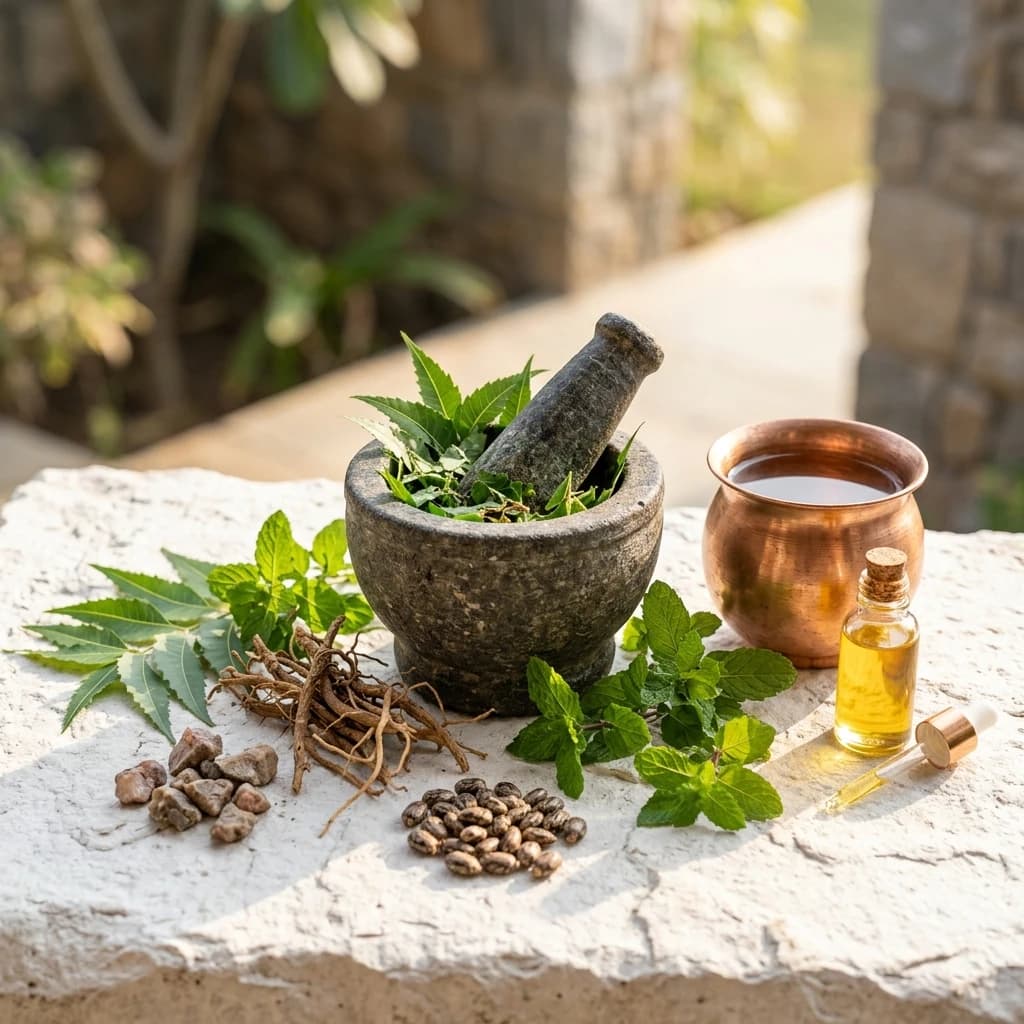
Clinical Validation of Ayurveda: Sariva, Pashanabheda, and Eranda
As modern healthcare transitions toward multi-target, preventative, and holistic treatments, traditional Indian medicine (AYUSH) is undergoing rigorous scientific evaluation. Researchers are increasingly turning to classical Ayurvedic herbs to isolate their bioactive compounds and study their mechanisms through modern clinical trials and laboratory models. By verifying these ancient remedies using evidence-based science, integrative medicine offers new pathways for managing inflammatory, renal, and musculoskeletal conditions safely.
🌿 Sariva: The Premier Blood Purifier and Skin Protector
Sariva (Hemidesmus indicus), also known as Anantamul or "endless root," is highly celebrated in classical Ayurvedic texts like the Charaka Samhita and Sushruta Samhita. In Ayurvedic herbology (Dravyaguna), Sariva is classified as a premier Raktashodhaka (blood purifier) and Daha-prashamana (burning sensation reliever). It possesses Tikta (bitter) and Madhura (sweet) rasa (tastes), Sheeta (cold) virya (potency), and Madhura vipaka (post-digestive effect). These specific energetics allow it to pacify all three doshas—particularly Pitta and Rakta (blood) imbalances—making it the historical choice for managing chronic skin conditions (Kushtha), burning sensations, urinary irritation, and systemic inflammation.
Modern phytochemical analyses have validated the therapeutic properties of Hemidesmus indicus by identifying a rich array of bioactive constituents in its roots. Its signature sweet aroma is attributed to 2-hydroxy-4-methoxybenzaldehyde, a compound that demonstrates potent antioxidant and antimicrobial activities. Additionally, the plant contains key saponins, coumarinolignoids (such as hemidesmin-1 and hemidesmin-2), flavonoids, and phytosterols like beta-sitosterol and lupeol. Working synergistically, these molecules exhibit robust anti-inflammatory properties by inhibiting key cellular pathways that produce inflammatory mediators.
Pharmacological and clinical research has substantiated Sariva's role as a systemic detoxifier and hepatoprotective agent. Laboratory models show that root extracts significantly scavenge free radicals and inhibit lipid peroxidation, protecting cellular membranes from oxidative damage. Furthermore, it modulates the immune response in autoimmune-related inflammatory models by suppressing pro-inflammatory cytokines like TNF-alpha and interleukin-6 (IL-6). This scientific evidence directly supports its traditional use as a blood purifier that clears accumulated metabolic wastes (Ama) and protects vital organs from toxic insults.
In modern wellness and dermatology, Sariva is increasingly recognized as an effective supportive therapy for chronic inflammatory skin disorders such as psoriasis, eczema, and acne. By regulating systemic inflammation and supporting liver and kidney function, it helps maintain skin health from the inside out. This combination of traditional wisdom and modern evidence-based research positions Sariva as a versatile, scientifically validated botanical for skin protection and systemic vitality.
🪨 Pashanabheda: The Natural Stone Breaker of the Urinary System
True to its literal name, which means "stone breaker" (from Pashan meaning stone, and bheda meaning to break), Pashanabheda is Ayurveda’s primary remedy for renal calculi (Ashmari) and urinary tract disorders (Mutrakrichra). Classically documented in foundational treatises, it is characterized by Kashaya (astringent) and Tikta (bitter) rasa, Sheeta (cold) virya, and Tikshna (sharp, penetrating) guna (qualities). These properties enable the herb to pacify Kapha dosha—which represents the binding, physical mass of the stone—and soothe Pitta dosha, which drives inflammation, burning, and pain in the urinary tract. Its natural Mutrala (diuretic) action helps mechanically clear impurities and stones from the kidneys.
Modern botany identifies the primary source of Pashanabheda as Bergenia ligulata (syn. Bergenia ciliata). Phytochemical investigations have revealed that the plant's rhizomes are packed with a highly bioactive glucoside called bergenin, along with gallic acid, tannic acid, catechins, and various mineral salts. Bergenin has been the subject of extensive scientific research, demonstrating remarkable anti-crystallization, antioxidant, and anti-inflammatory properties in the renal and urinary systems.
The antiurolithiatic efficacy of Pashanabheda has been validated through multiple in vitro and in vivo scientific studies. Research indicates that Bergenia ligulata extracts directly inhibit the nucleation, growth, and aggregation of calcium oxalate crystals—the primary building blocks of most kidney stones. It acts by reducing the urinary concentration of stone-forming constituents and preventing the crystals from adhering to the renal tubular epithelial cells. Concurrently, the herb’s diuretic properties increase urine volume and flow rate, helping flush out microscopic crystal clusters before they can aggregate into painful stones.
Beyond stone prevention and dissolution, Pashanabheda provides crucial nephroprotective support. Studies show that its high antioxidant content protects renal tissues from the cell damage and lipid peroxidation typically caused by crystal deposition. It relaxes the smooth muscles of the urinary tract by acting as a natural calcium channel blocker, reducing spasms and relieving the sharp pain associated with stone passage. This comprehensive pharmacological profile validates the traditional classification of Pashanabheda as a powerful, scientifically proven remedy for urinary and kidney health.
🍃 Eranda: The Premier Vata-Pacifier for Joint Mobility and Digestive Cleansing
Eranda (Ricinus communis), commonly known as the castor plant, is classically revered as the ultimate remedy for pacifying Vata dosha, particularly when it accumulates in the colon and the musculoskeletal joints. Characterized by Madhura (sweet), Katu (pungent), and Kashaya (astringent) rasa, Ushna (heating) virya, and Snigdha (unctuous, oily) and Suksma (subtle, penetrating) guna, Eranda is highly effective at counteracting the cold, dry, and rough qualities of aggravated Vata. In texts like the Charaka Samhita, it is the primary therapy for Amavata (rheumatoid arthritis), Sandhigata Vata (osteoarthritis), and Katishoola (lower back pain and sciatica). The oil extracted from its seeds, Eranda Taila (castor oil), is utilized both topically for joint lubrication and internally for therapeutic purgation (Virechana) to eliminate systemic toxins (Ama).
Modern pharmacology has validated the therapeutic mechanisms of castor oil, attributing its primary actions to its unique chemical profile. Castor oil consists of approximately 90% ricinoleic acid, a rare, monounsaturated omega-9 fatty acid. When ingested, ricinoleic acid binds specifically to EP3 and EP4 prostanoid receptors on the smooth muscle cells of the intestines. This binding triggers coordinated contractions that stimulate peristalsis, providing a highly reliable, dose-dependent, and clinically validated laxative (Sramsana) effect that aids in gut detoxification.
For joint care, contemporary research supports the traditional use of Eranda for reducing pain and swelling. Topical application of ricinoleic acid has been shown to exert profound anti-inflammatory and analgesic effects. It penetrates the skin barrier to reduce inflammatory cell infiltration and suppress the synthesis of substance P and other pain-mediating prostaglandins in the tissues. In clinical settings, formulations such as Gandharvahastadi Eranda Taila are used to deliver active anti-arthritic compounds deep into synovial tissues, improving joint mobility and reducing stiffness in patients with osteoarthritis.
A key aspect of Eranda's scientific validation is the safety and processing standards established by Ayurvedic pharmaceutics (Bhaishajya Kalpana). The raw seeds of the castor plant contain ricin, a highly toxic glycoprotein. However, classical hot and cold pressing techniques, combined with traditional purification (Shodhana) methods, ensure that the water-soluble ricin remains entirely in the seed cake and is completely absent from the therapeutic oil. This highlights the scientific sophistication of traditional processing, turning a potentially hazardous plant into a highly safe, effective, and clinically validated medicine for joint health and detoxification.
📌 The Bottom Line
- sariva: Clinically validated for its blood-purifying, anti-inflammatory, and hepatoprotective properties, this herb supports systemic detoxification and promotes skin health by reducing inflammatory cytokines.
- pashanabheda: Known as the "stone breaker," scientific studies confirm its ability to inhibit calcium oxalate crystal aggregation, increase urine flow, and protect kidney tissues from oxidative damage.
- eranda: Powered by ricinoleic acid, castor oil is a clinically proven anti-inflammatory and laxative that relieves chronic joint pain and stimulates gut motility by acting on specific prostanoid receptors.
Disclaimer: The information provided in this post is for educational and informational purposes only. It is not intended to be a substitute for professional medical advice, diagnosis, or treatment. Always seek the advice of your physician or other qualified health provider with any questions you may have regarding a medical condition.
Enjoyed this post?
Get our weekly digest delivered free.
Share this post:
Knowelth is reader-supported. We may earn a commission from links in this article at no extra cost to you. Read our disclosure.
Related Posts
Systems Biology, Circadian Dinacharya, and Gut-Agni Chrono-Nutrition: The Science Validating Ayurvedic Medicine
Systems Biology, Circadian Dinacharya, and Gut-Agni Chrono-Nutrition: The Science Validating Ayurvedic Medicine Modern healthcare is undergoing a paradigm shift from reductionist single-molecule thera…
Clinical Validation in Ayurveda: Cardiometabolic Formulations, Chrononutrition Agni Science, and Ayurgenomics in Ovarian Reserve
Clinical Validation in Ayurveda: Cardiometabolic Formulations, Chrononutrition Agni Science, and Ayurgenomics in Ovarian Reserve Traditional Indian medicine is undergoing a profound scientific renaiss…
Ayurveda Meets Systems Biology: Agni, Chronomedicine, and Botanical Synergy in Modern Clinical Science
Ayurveda Meets Systems Biology: Agni, Chronomedicine, and Botanical Synergy in Modern Clinical Science The 2025–2026 wave of systems biology research has made an unambiguous statement: the three pilla…