Satavahana Naval Dominance: Lead Ship-Coins of Yajna Sri Satakarni, Coromandel Ports & Deccan Greco-Roman Commerce
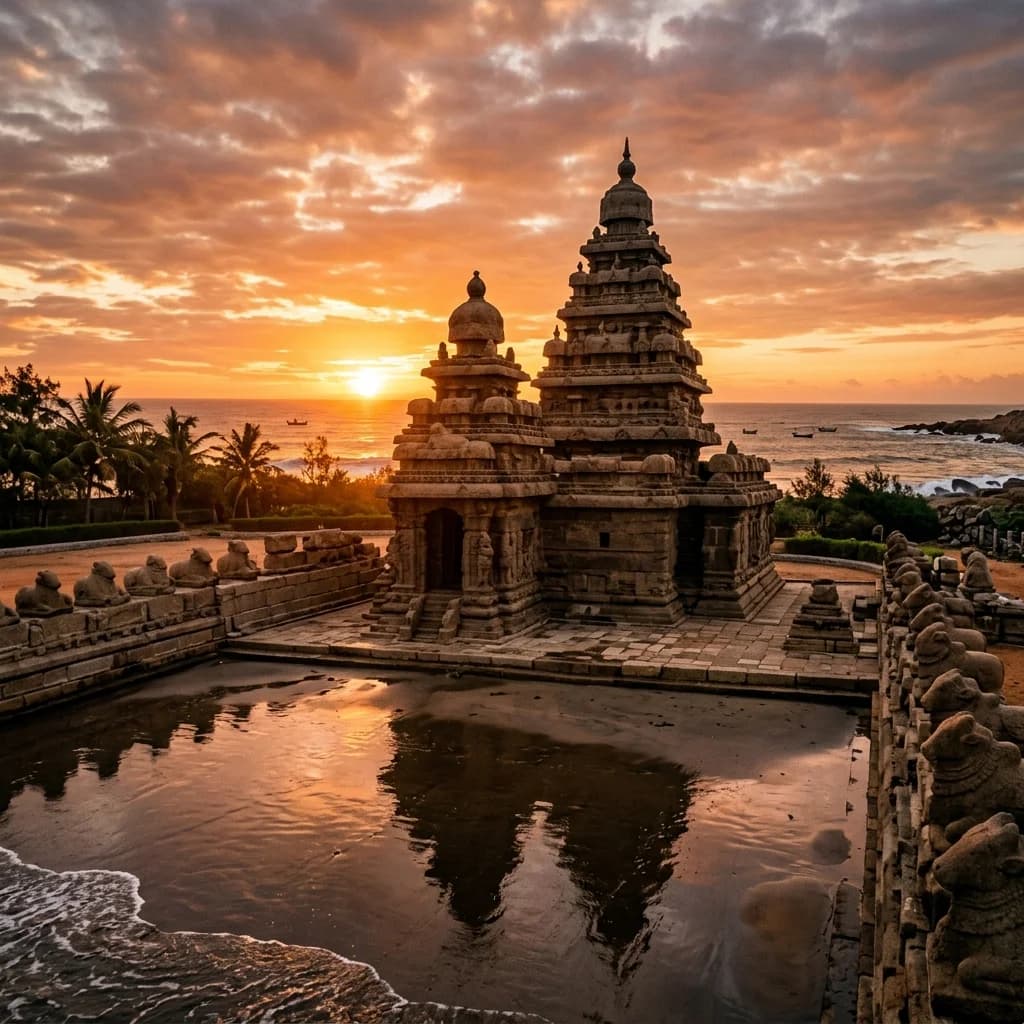
Satavahana Naval Dominance: Lead Ship-Coins of Yajna Sri Satakarni, Coromandel Ports & Deccan Greco-Roman Commerce
Last updated: August 13, 2026 | 13-minute read
Executive Summary: Reigning over the Deccan peninsula between the 2nd century BCE and the 3rd century CE, the Satavahana Empire (Andhras) established unprecedented bi-coastal maritime supremacy spanning both the Western Arabian Sea (Bharuch / Kalyan / Sopara) and the Eastern Bay of Bengal (Arikamedu / Dharanikota / Ghantasala). Under the illustrious Emperor Gautamiputra Yajna Sri Satakarni (circa 174–203 CE), the imperial treasury minted iconic lead and potin coins bearing the raised relief of double-masted, ocean-going rigged warships equipped with rudders and steering oars, celebrating Satavahana naval power and dominion over the thriving Greco-Roman and Southeast Asian trade routes.
+---------------------------------------------------------------------------------------------------+
|                        SATAVAHANA BI-COASTAL MARITIME EMPIRE ARCHITECTURE                         |
+---------------------------------------------------------------------------------------------------+
                                                  │
         ┌────────────────────────────────────────┼────────────────────────────────────────┐
         ▼                                        ▼                                        ▼
+──────────────────────────+             +──────────────────────────+             +──────────────────────────+
| WESTERN PORTS (ARABIAN)  |             | DECCAN INLAND ROAD HUB   |             | EASTERN PORTS (BENGAL)   |
| • Barygaza (Bharuch)     |             | • Capital: Pratishthana  |             | • Dharanikota / Amaravati|
| • Kalyan & Sopara        |             | • Buddhist Trade Caves   |             | • Ghantasala & Masulipat.|
| • Roman Amphorae / Wine  |             | • Standardized Lead Coin |             | • Roman Arikamedu Beads  |
+──────────────────────────+             +──────────────────────────+             +──────────────────────────+
         │                                        │                                        │
         └────────────────────────────────────────┼────────────────────────────────────────┘
                                                  ▼
+---------------------------------------------------------------------------------------------------+
| SYNTHESIS: Bi-Coastal Naval Control Funding the Golden Age of Amaravati & Ajanta Cave Architecture|
+---------------------------------------------------------------------------------------------------+
🪙 1. The Numismatic Masterpiece: The Double-Masted Ship Coins
Discovered primarily along the Coromandel coast (between Chennai, Cuddalore, and Machilipatnam), the ship-type coins of Yajna Sri Satakarni and Vasishthiputra Pulumavi represent the most detailed contemporary visual evidence of ancient Indian naval architecture:
+---------------------------------------------------------------------------------------------------+
|                           THE SATAVAHANA SHIP-COIN ICONOGRAPHY                                    |
+---------------------------------------------------------------------------------------------------+
 Obverse: Double-Masted Ocean-Going Rigged Vessel
 • Two vertical masts rigged with cross-spars (yardarms) for large square sails
 • Elevated, pointed bow (prow) designed to slice open ocean swells
 • Stern equipped with twin steering oars (quarter rudders) for deep-sea navigation
 • Wave symbols beneath hull indicating high-seas oceanic journey
                                                │
                                                ▼
 Reverse: Sacred Ujjain Symbol (Four-Circle Cross) + Six-Arched Hill (Chaitya) with River Wave
 • Inscribed in Prakrit (Brahmi script): *"Siri Yana Satakanisa"* (King Yajna Sri Satakarni) 🏆
+---------------------------------------------------------------------------------------------------+
These coins were not mere ornamental tokens, but high-velocity regional currency backing maritime commercial transactions across the Coromandel coast.
⚓ 2. Bi-Coastal Port Networks & The Periplus Account
The Greek navigation guide Periplus of the Erythraean Sea (50–70 CE) highlights Satavahana ports as the primary trading hubs of the Deccan:
+---------------------------------------------------------------------------------------------------+
|                         SATAVAHANA EMPIRE PORT HUBS & EXPORTED COMMODITIES                        |
+---------------------------------------------------------------------------------------------------+
| Port Name (Classical / Modern)| Coastline Location                | Primary Export / Import Goods |
+------------------------------+------------------------------------+-------------------------------+
| **Barygaza (Bharuch)**       | Narmada River Estuary (West Coast) | Agate, Carnelian, Ivory, Silk,|
|                              |                                    | Italian Roman Wine, Silver    |
| **Kalliena (Kalyan)**        | Thane Creek / Mumbai Harbour       | Teak timber, Iron ingots,     |
|                              |                                    | Fine cotton calico cloth      |
| **Souppara (Nala Sopara)**   | Konkan Coast (North Mumbai)        | Ancient Buddhist stupa port,  |
|                              |                                    | Greco-Roman glasswares        |
| **Maisolia (Machilipatnam)** | Krishna Delta (East Coast)         | World-famous Muslin fabrics   |
|                              |                                    | (*Maisolian Muslin* of Rome)  |
| **Podouke (Arikamedu)**      | Puducherry Coast (East Coast)      | Roman glass bead factories,   |
|                              |                                    | Gemstone intaglios & gems     |
+------------------------------+------------------------------------+-------------------------------+
🏛️ 3. Buddhist Monastic Guilds (Nigamas) & Port Financing
Maritime commerce and religious patronage were inextricably linked under the Satavahanas:
- Merchant Guilds (Srenis / Nigamas): Wealthy maritime traders (Mahasarthavahas) deposited gold endowments with Buddhist viharas at Kanheri, Karle, Bedse, and Ajanta, which served as ancient banking institutions, insurance underwriters, and secure inland rest-houses along the mountain passes (Ghats) connecting coastal ports to inland markets.
📌 The Bottom Line & Historical Significance
+---------------------------------------------------------------------------------------------------+
|                              TOPIC SLUG ALIGNED ACTIONABLE TAKEAWAYS                              |
+--------------------------------------+------------------------------------------------------------+
| satavahana-naval-dominance           | First Indian empire to establish bi-coastal naval control. |
| yajna-sri-satakarni-ship-coins       | Ship-coins prove advanced double-masted naval rigging.     |
| coromandel-coast-ancient-ports       | Maisolia and Arikamedu supplied the luxury markets of Rome.|
| deccan-greco-roman-monetary-exchange | Huge inflows of Roman gold coins funded Buddhist viharas.  |
| double-masted-ancient-oceanic-rigging| Twin masts and steering oars enabled non-stop monsoon sail.|
+---------------------------------------------------------------------------------------------------+
📫 Subscribe to Indian Maritime History & Numismatics Insights
Get peer-reviewed numismatic research, ancient naval architecture diagrams, and maritime trade history papers delivered to your inbox weekly.
Enjoyed this post?
Get our weekly digest delivered free.
Share this post:
Knowelth is reader-supported. We may earn a commission from links in this article at no extra cost to you. Read our disclosure.
Related Posts
The Battle of Diu (1509) & The Portuguese Cartaz System: The Naval Artillery Revolution in the Indian Ocean
The Battle of Diu (1509) & The Portuguese Cartaz System: The Naval Artillery Revolution in the Indian Ocean Last updated: August 17, 2026 | 13-minute read Executive Summary: Fought on February 3, 1509…
Shipbuilding Traditions of Ancient India: Naval Architecture in King Bhoja's 'Yukti Kalpataru' & The Stitched-Plank Revolution
Shipbuilding Traditions of Ancient India: Naval Architecture in King Bhoja's 'Yukti Kalpataru' & The Stitched-Plank Revolution Last updated: August 15, 2026 | 13-minute read Executive Summary: While m…
Tamralipti Port (Tamluk): Ancient Bengal's Maritime Silk Road, Buddhist Monastic Voyages & Southeast Asian Commerce
Tamralipti Port (Tamluk): Ancient Bengal's Maritime Silk Road, Buddhist Monastic Voyages & Southeast Asian Commerce Last updated: August 10, 2026 | 13-minute read Executive Summary: Situated at the mo…