Lithic Marvels of India: Unveiling Gadag Trikuteshwara, Gingee Venkataramana, and Sri Kurmam
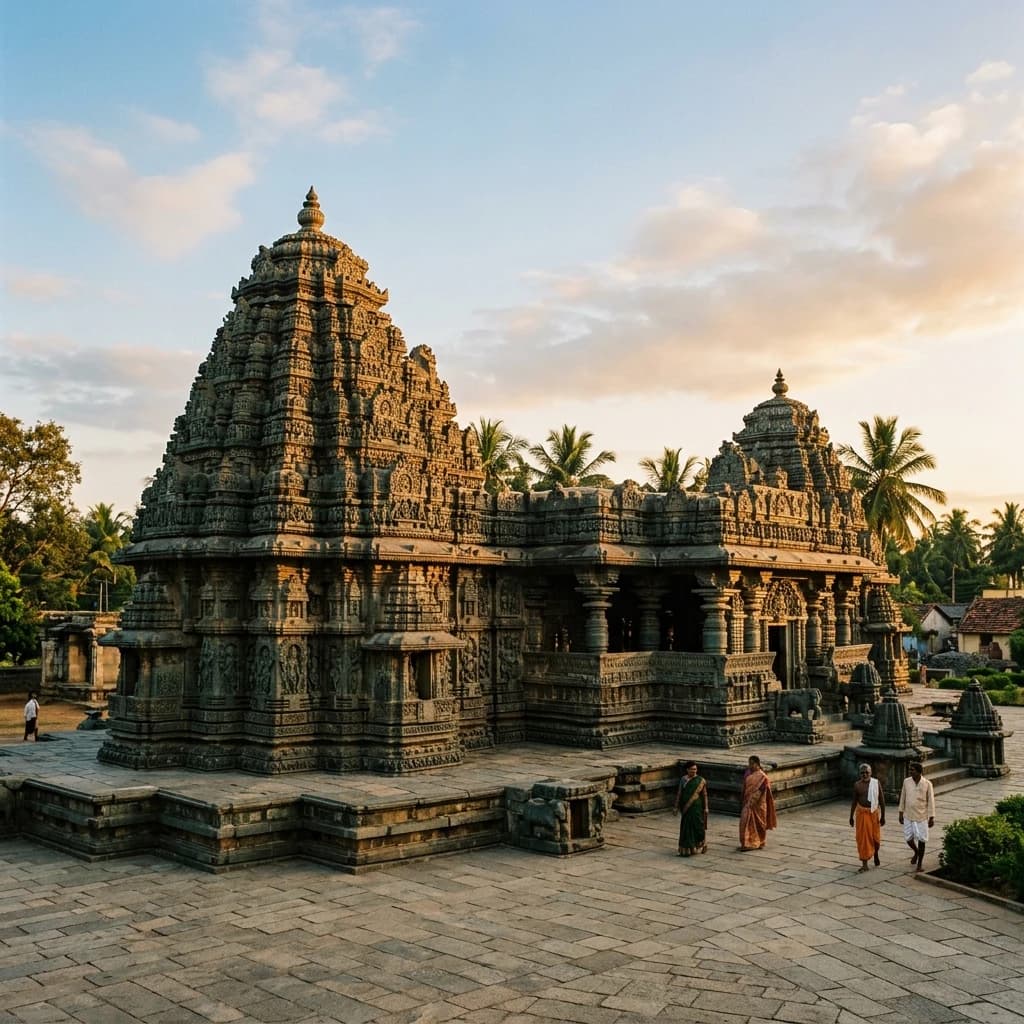
Lithic Marvels of India: Unveiling Gadag Trikuteshwara, Gingee Venkataramana, and Sri Kurmam
Across the Indian subcontinent, ancient and medieval stone monuments stand as enduring lithic manuscripts, preserving centuries of architectural evolution, statecraft, and sacred geometry. These structural wonders are not merely places of devotional veneration, but triumphs of civil engineering where regional stone traditions converged with imperial ambitions.
This architectural investigation examines three distinct historical marvels: the lathe-turned soapstone elegance of the Trikuteshwara and Saraswati Temple complex in Gadag (Western Chalukya dynasty), the monumental monolithic granite citadel architecture of the Venkataramana Temple at Gingee Fort (Gingee Nayak dynasty), and the rare Kalinga-Dravida syncretic sanctuary of Sri Kurmanathaswamy Temple in Srikakulam (Eastern Ganga dynasty), supported by 108 non-identical monolithic pillars.
🏛️ The Gadag Style of Polish and Sculptural Elegance: Trikuteshwara & Saraswati Temple
Western Chalukyan Chloritic Schist Mastery, Lathe Mechanics, and the Trikuta Sacred Geometry
Dynastic Patronage and Historical Context: Situated in the heart of Karnataka’s Gadag district, the Trikuteshwara Temple complex represents the structural culmination of the Western Chalukyas (Kalyani Chalukyas) between 1050 and 1200 CE. During this epoch, under the patronage of monarchs such as Someshvara I, Vikramaditya VI, and Someshvara III, Gadag flourished as a premier Maha-agrahara—a renowned medieval university center supported by wealthy merchant guilds (Ayyavole 500) and artisan consortiums. The transition from crystalline granite to fine-grained chloritic schist (soapstone) enabled master sculptors (notably the guild associated with Amara Shilpi Jakanachari and Ruvari Gundan) to execute micro-sculptural openwork and high-gloss mechanical polishing.
                              [Western Chalukya Trikuta Layout]
                                              │
                      ┌───────────────────────┼───────────────────────┐
                      ▼                       ▼                       ▼
            [Brahma Sanctum]          [Shiva Sanctum]         [Vishnu Sanctum]
           (Facing West/East)          (Central Axis)        (Facing North/South)
                      │                       │                       │
                      └───────────────────────┼───────────────────────┘
                                              │
                                              ▼
                                 [Garbhagriha Joint Plinth]
                                (Single Monolithic Pedestal)
                                              │
                                              ▼
                                    [Antarala Vestibule]
                                              │
                                              ▼
                                  [Navaranga / Ranga Mandapa]
                           • 16 Lathe-Turned Soapstone Columns
                           • Mirror-Polished Ring Mouldings
                           • Deep Stepped Central Ceiling Bay (Bhuvaneshwari)
Architectural and Engineering Parameters:
| Architectural Metric | Trikuteshwara Main Complex | Saraswati Subsidiary Shrine |
|---|---|---|
| Primary Lithic Medium | Chloritic Schist (Fine-grained Soapstone) | Ultra-fine Metamorphic Talc-Chlorite Schist |
| Ground Plan Typology | Trikuta (Triple Sanctum on single plinth) | Ekakuta (Single Sanctum with open pillared hall) |
| Mandapa Column Geometry | Lathe-turned, multi-faceted circular profile | Slender, pierced-filigree pillar shafts |
| Surface Finish & Polish | High-gloss mirror polish via emery/lead lap | Intricate undercut openwork lace carving |
| Ceiling Architecture | Deeply recessed Bhuvaneshwari with lotus cusp | Concentric corbelled rings with Ashta-Dikpala brackets |
| Base Plinth Moulding | Adhishthana with elephant/vyala friezes | Finely stepped Padmabandha lotus base |
Lathe Mechanics and Sculptural Virtuosity: The distinguishing feature of the "Gadag Style" is the use of mechanical turning beds. Massive blocks of soapstone were mounted on heavy horizontal or vertical wood-and-iron lathe pivots, rotated against abrasive corundum chisels to produce perfectly concentric cylindrical columns with razor-sharp fillets, neckings, and bell-shaped moldings.
The adjacent Saraswati shrine, hailed by architectural historian James Fergusson as containing the finest decorative stone carving in western India, showcases column bases with undercut miniature pavilions housing dancing celestial maidens (Madanikas), floral volutes, and delicate geometric fretwork.
🗿 Monolithic Citadel Architecture: Venkataramana Temple of Gingee Fort
16th-Century Nayak Granite Engineering, Monolithic Colonnades, and Colonial Dispersal
Dynastic Foundations and Fortified Citadel Context: Nestled beneath the sheer 800-foot granite precipice of Rajagiri inside Gingee Fort, Tamil Nadu, the Venkataramana Temple represents the pinnacle of 16th-century Gingee Nayak monumental architecture. Commissioned between 1540 and 1550 CE by Muthyala Nayaka (acting as a powerful provincial governor under the Vijayanagara Empire), the complex was engineered as both an imperial state sanctuary and an inner defensive citadel bastion.
                      [Venkataramana Temple Complex Ground Plan]
                                          │
                                          ▼
                      [Monumental 7-Tiered East Rajagopuram]
                               (Height: ~45 Meters)
                                          │
                                          ▼
                      [Outer Enclosure Wall (Prakara)]
                     (Heavy Granite Ashlar Dry-Masonry)
                                          │
          ┌───────────────────────────────┴───────────────────────────────┐
          ▼                                                               ▼
[Kalyana Mandapa (1000-Pillar Hall)]                             [Utsava & Yaga Mandapas]
• Monolithic 24-Foot Granite Columns                             • Deep Corbelled Granite Beams
• Yali Equestrian Composite Pillars                              • Relief Friezes: Ramayana Epics
• High-Relief Dashavatara Panels                                 • Sacred Pushkarini Stepwell Tank
Structural Dimensions and Lithic Engineering:
| Structural Component | Dimensional Specification | Engineering / Masonry Character |
|---|---|---|
| East Rajagopuram | Height: 45.2 m (7 Tiers) | Granite stone base with brick-and-stucco upper superstructure |
| Main Prakara Wall | 185 m × 120 m Perimeter | Multi-layered interlocking ashlar granite blocks; mortarless dry joints |
| Kalyana Mandapa Shafts | Height: 7.3 m (Single Monoliths) | Deeply sculpted rearing Yalis, equestrian warriors, and celestial devas |
| Central Sanctum Vimana | Height: 18.5 m (Dravidian Tiered) | Granite talas with kudu arches topped by octagonal shikhara |
| Lithic Raw Material | Hypersthene Granite (Charnockite) | Extremely hard, dense plutonic rock quarried from local citadel inselbergs |
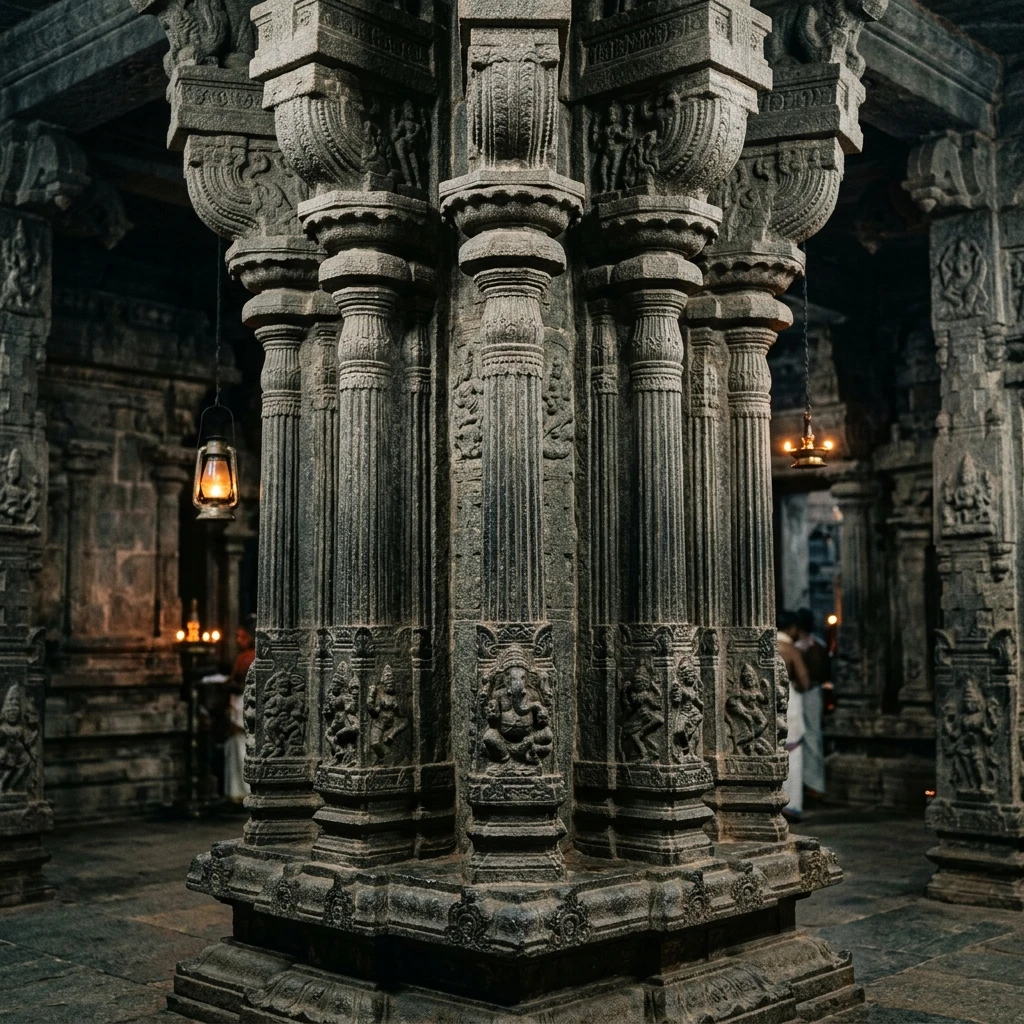
Figure 1: Intricate stone craftsmanship and architectural elements at Venkataramana Temple at Gingee Fort.
The 1761 Colonial Plunder and Lithic Dispersal: The geopolitical significance of Gingee Fort led to repeated sieges by the Bijapur Sultanate, the Marathas under Chhatrapati Shivaji, the Mughals, and European colonial powers. Following the French capture of Gingee in 1761 CE, French Commander-in-Chief Governor Dupleix ordered the dismantling of the finest monolithic carved granite pillars from the Venkataramana Kalyana Mandapa.
These 24-foot monoliths were transported across 70 kilometers of rugged terrain to coastal Puducherry, where they were re-erected along the Promenade beach to frame the bronze monument of Dupleix—where they remain today as enduring symbols of the Carnatic Wars.
🔱 Kalinga-Dravida Synthesis and 108 Monolithic Pillars: Sri Kurmanathaswamy Temple
Eastern Ganga Imperial Patronage, Dual Axis Orientation, and Non-Identical Columnar Epigraphy
The Eastern Ganga Frontier and Ramanuja's Theological Reconfiguration: Located in Srikakulam district, Andhra Pradesh, the Sri Kurmanathaswamy Temple is the only major historic temple complex in the world dedicated to Lord Vishnu in his zoomorphic Kurma (Tortoise) avatar. Positioned geographically in the ancient Kalinga-Andhra border zone, the temple represents an extraordinary synthesis of North-Eastern Orissan Rekha/Khakhara architecture and South Indian Dravidian Prakara colonnades.
Epigraphical records confirm that in 1103 CE, the Sri Vaishnava reformer Ramanujacharya visited the shrine, re-establishing worship under strict Vaikhanasa/Pancharatna Vaishnava agamic rites with the direct royal patronage of Eastern Ganga Emperor Anantavarman Chodaganga Deva.
                      [Sri Kurmanathaswamy Spatial Geometry]
                                         │
          ┌──────────────────────────────┴──────────────────────────────┐
          ▼                                                             ▼
[Western Axis: Main Sanctum Entrance]                         [Eastern Axis: Traditional Gate]
• West-Facing Zoomorphic Kurma Idol                           • Historic Sun Temple Entry
• Principal Dhwajasthambha Pole                               • Secondary Dhwajasthambha Pole
          │                                                             │
          └──────────────────────────────┬──────────────────────────────┘
                                         │
                                         ▼
                     [Pradakshina Perambulatory Mandapa]
                                         │
                                         ▼
                     [108 Monolithic Granite/Sandstone Pillars]
              • Absolute Non-Repetition: Zero Identical Pillars
              • Rare Telugu, Odia, & Grantha Epigraphical Records
              • Kalinga Miniature Spire Brackets on Dravidian Shafts
Architectural and Inscriptional Matrix of Sri Kurmam:
| Architectural Metric | Classical Value / Description | Engineering Significance |
|---|---|---|
| Sanctum Orientation | Strict Westward Facing (Pashchimabhimukha) | Requires dual Dhwajasthambhas (East & West) to maintain astronomical balance |
| Central Vimana Roof | Ashtadala Padmam (Eight-Petaled Lotus) | Unique combination of Dravidian tiered tala and Kalinga padma-shikha |
| Pillared Cloister | 108 Monolithic Columns | Complete decorative independence—every single pillar exhibits unique motifs |
| Epigraphical Repository | 145+ Stone Inscriptions | Covers Eastern Ganga, Gajapati, Vijayanagara, and Reddi dynasties (11th–16th c.) |
| Mural Art Heritage | 16th-Century Pattachitra Murals | Mineral-pigment narrative frescoes covering circumambulatory corridor walls |
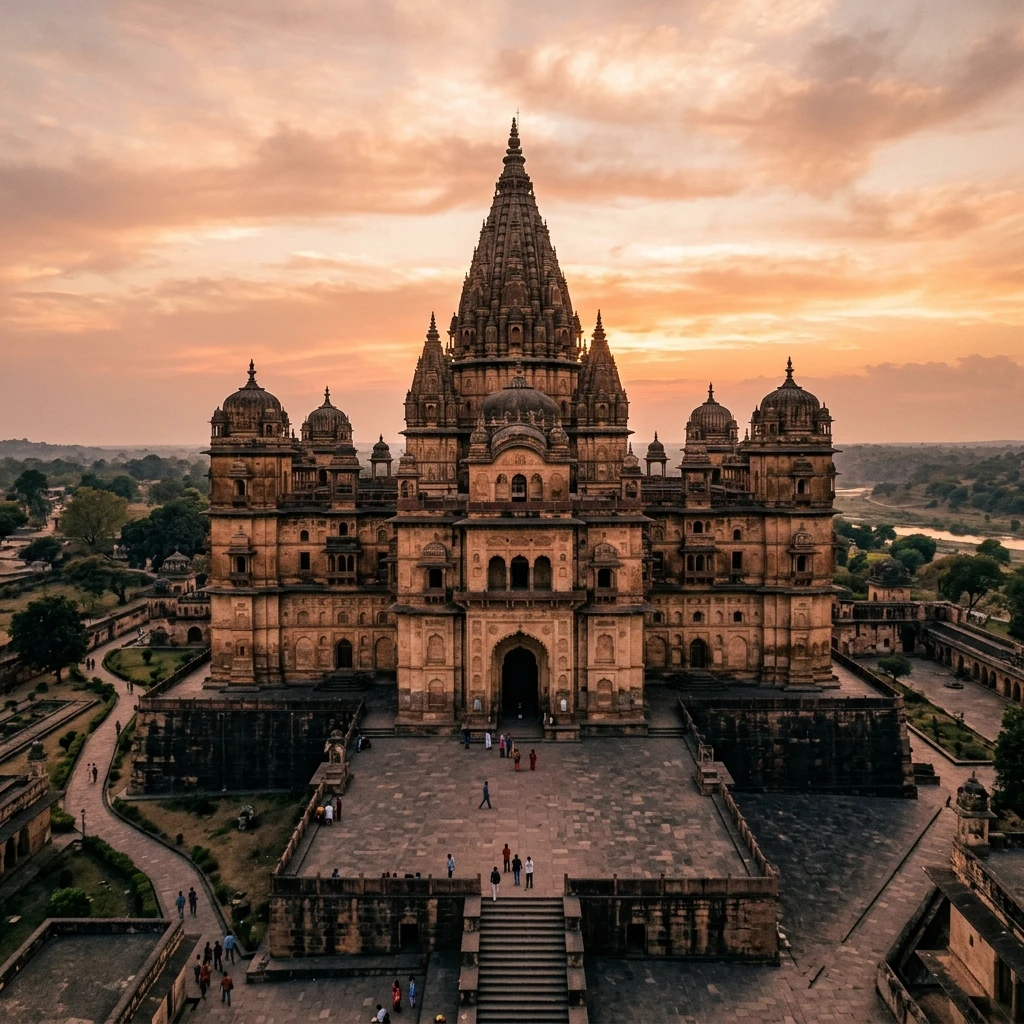
Figure 2: Architectural design and monumental structures at Sri Kurmanathaswamy Temple.
Epigraphy, Socio-Economics, and Feudal Endowments: The 108 pillars of Sri Kurmam serve as a stone archive. Inscriptions in Old Telugu, Sanskrit, and Odia document royal land grants (Devadana), gold donations for perpetual lamps (Akhanda Dipa), and provisions for dancer-musician guilds. An inscription dated to 1273 CE records that Naraharitirtha, the influential Dvaita philosopher and prime minister under Eastern Ganga King Bhanudeva I, constructed the defensive surrounding pillared hall, transforming the temple into a fortified regional learning academy.
📊 Comparative Architectural & Engineering Matrix
| Architectural Feature | Trikuteshwara (Gadag) | Venkataramana (Gingee) | Sri Kurmanathaswamy (Srikakulam) |
|---|---|---|---|
| Dynastic Dynasty | Western Chalukyas (Kalyani) | Gingee Nayaks (Vijayanagara Feudatories) | Eastern Ganga Dynasty |
| Construction Period | 1050 – 1200 CE | 1540 – 1550 CE | 1100 – 1300 CE (Ramanuja Reorganization) |
| Primary Lithic Medium | Chloritic Schist (Soapstone) | Charnockite Granite | Khondalite Sandstone & Granite |
| Dominant Style | Western Chalukyan / Gadag Style | Late Vijayanagara-Nayak Dravidian | Kalinga-Dravida Syncretic |
| Key Engineering Marvel | Lathe-turned mirror-polished columns | 24-ft single-block monolithic colonnades | 108 non-identical monolithic pillars |
| Primary Deity | Trikuta Shiva Linga (Trinity) | Venkataramana (Lord Vishnu) | Kurmanatha (Tortoise Avatar of Vishnu) |
📌 The Bottom Line
- gadag-trikuteshwara: Masterpiece of 11th-century Western Chalukyan architecture in chloritic schist (soapstone); features mechanical lathe-turned columns polished to a mirror finish, a trikuta triple-sanctum layout housing the Trinity, and the peerless Saraswati subsidiary shrine adorned with undercut lace-like sculptural friezes.
- gingee-venkataramana: Premier monument of 16th-century Gingee Nayak granite engineering situated within the fortified Rajagiri citadel; anchored by a 45-meter 7-tiered Rajagopuram and monumental 24-foot monolithic pillars carved with dynamic Yali equestrian sculptures, several of which were relocated to Puducherry in 1761 by French colonial forces.
- sri-kurmam: The world's preeminent sacred sanctuary dedicated to Vishnu's Kurma (tortoise) incarnation; embodies a rare Eastern Ganga syncretism of Kalinga spires and Dravidian cloisters supported by 108 uniquely carved monolithic pillars bearing over 145 historic inscriptions spanning four medieval dynasties.
📬 Stay Updated
Get India's heritage and history stories delivered to your inbox every week. Subscribe to our free newsletter →
Disclosure: This post contains affiliate links. If you purchase through our links, we earn a small commission at no extra cost to you. We only recommend products we believe in.
Enjoyed this post?
Get our weekly digest delivered free.
Share this post:
Knowelth is reader-supported. We may earn a commission from links in this article at no extra cost to you. Read our disclosure.
Related Posts
Stone Chronicles of Sovereignty and Democracy: The Epigraphic Legacy of Aihole's Meguti Temple, Uttiramerur's Assembly Inscriptions, and the Royal Reliefs of Hampi's Hazara Rama
Stone Chronicles of Sovereignty and Democracy: The Epigraphic Legacy of Aihole's Meguti Temple, Uttiramerur's Assembly Inscriptions, and the Royal Reliefs of Hampi's Hazara Rama Across the diverse lan…
Monolithic Cliffs, Alpine Spires, and Chariots of Stone: The Architectural Feats of Dhamnar, Baijnath, and Melkadambur
Monolithic Cliffs, Alpine Spires, and Chariots of Stone: The Architectural Feats of Dhamnar, Baijnath, and Melkadambur Across the vast geographical expanse of the Indian subcontinent, ancient and medi…
Sacred Corridors, Interlocking Stone Chains, and Thousand-Pillar Sanctuaries: The Architectural Marvels of Rameswaram, Kanchipuram, and Moodabidri
Sacred Corridors, Interlocking Stone Chains, and Thousand-Pillar Sanctuaries: The Architectural Marvels of Rameswaram, Kanchipuram, and Moodabidri Across the Indian subcontinent, sacred architecture r…