Monuments of Eternity: The Architectural Genius of Ancient Indian Temples
Monuments of Eternity: The Architectural Genius of Ancient Indian Temples
Across the vast and culturally rich landscape of the Indian subcontinent, ancient temples stand not merely as places of worship, but as monumental achievements in engineering, mathematics, and art. These stone marvels serve as living books of India's history, reflecting the profound vision of the dynasties that commissioned them and the unmatched skill of the artisans who carved them.
🏛️ Brihadeeswarar Temple: The Zenith of Chola Architecture
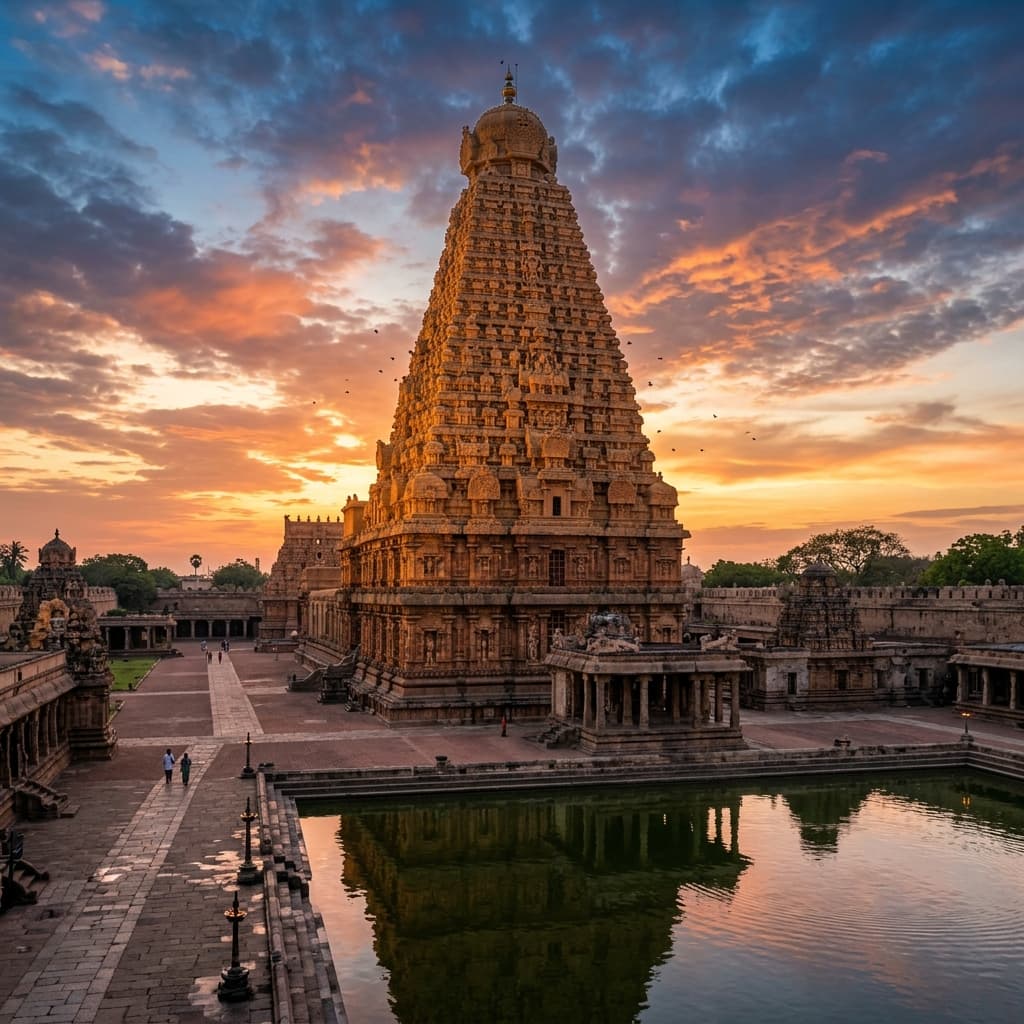
Built by the illustrious Chola Emperor Rajaraja I between 1003 and 1010 CE in Thanjavur, Tamil Nadu, the Brihadeeswarar Temple is a defining masterpiece of Dravidian architecture. Unlike many temples that grew organically over centuries, this monumental structure was conceived and executed as a singular, unified vision. It is constructed almost entirely of granite, a remarkable feat considering there are no significant granite quarries within a 100-kilometer radius of the site.
The temple's most striking feature is its massive vimana (tower over the sanctum), which rises to an astonishing height of 216 feet (66 meters), making it one of the tallest in South India. Crowned by a monolithic granite shikhara (capstone) estimated to weigh 80 tons, the engineering required to elevate this block remains a subject of awe and speculation. According to popular lore, a massive earthen ramp spanning several kilometers was constructed just to haul this single stone to the top.
In addition to its monumental scale, the temple walls are adorned with intricate inscriptions that provide a detailed administrative record of the Chola empire. The corridors feature some of the earliest and most detailed depictions of the 108 karanas (postures) of Bharatanatyam, immortalizing the era's cultural achievements in stone. Today, a UNESCO World Heritage site, it continues to project the imperial majesty and spiritual depth of the Chola dynasty.
🗿 Kailasa Temple: The Mountain Carved from Stone
Moving west to the basalt cliffs of Ellora in Maharashtra, we find the Kailasa Temple (Cave 16)—an architectural endeavor so ambitious that it defies conventional construction. Commissioned by the Rashtrakuta king Krishna I in the 8th century, this temple was not built by assembling blocks of stone; rather, it was excavated entirely out of a single, solid mountainside.
The artisans employed a top-down excavation technique, starting at the roof of the cliff and carving downward to reveal the complex structures within. This method meant that every detail, from the towering pillars of victory (Kirti Stambhas) to the life-sized elephant sculptures in the courtyard, had to be visualized perfectly before a single strike of the chisel. There was no room for error, and no scaffolding was required.
Dedicated to Lord Shiva, the temple was designed to resemble Mount Kailash, his mythical Himalayan abode. It remains the largest monolithic structure in the world, a testament to the sheer willpower and spatial genius of ancient Indian carvers who removed an estimated 200,000 tons of rock to create this masterpiece.
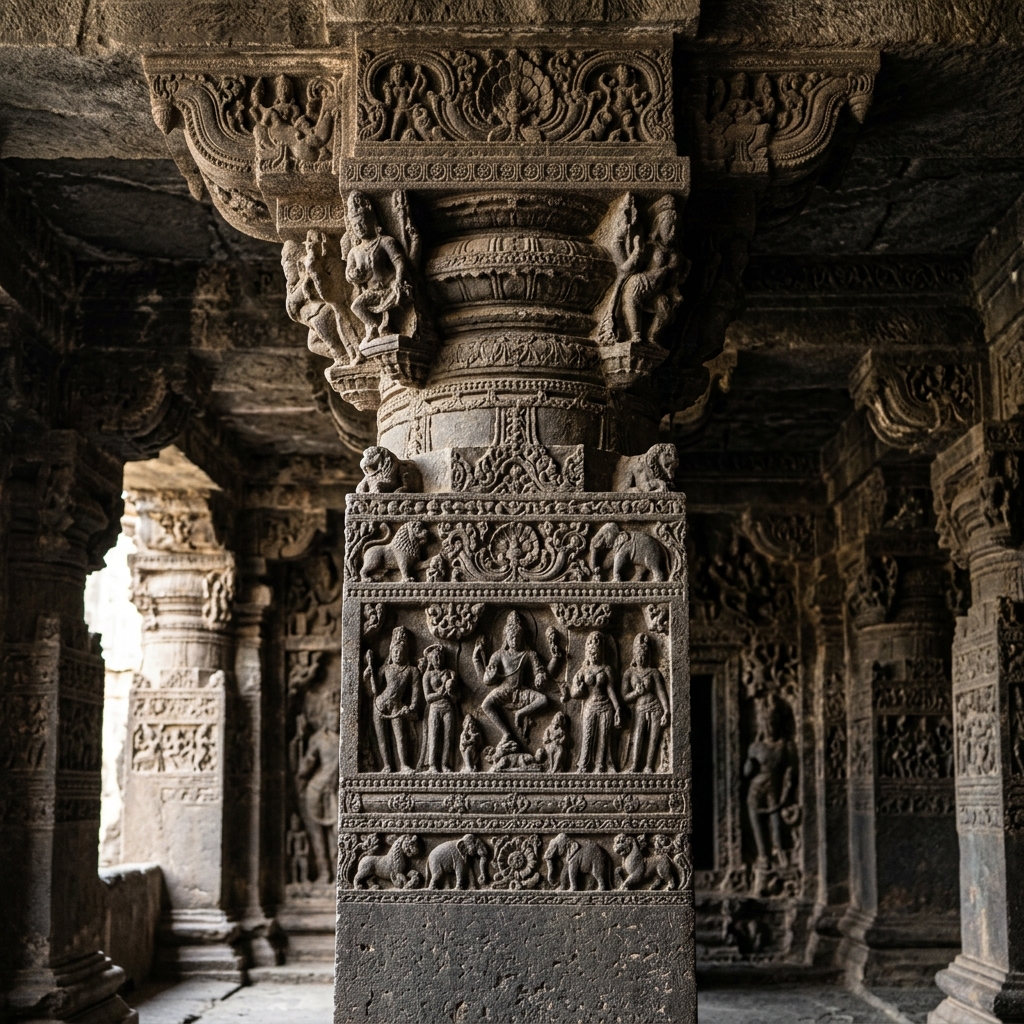
Figure 1: Intricate stone craftsmanship and architectural elements at Kailasa Temple, Ellora.
🔱 Sun Temple of Konark: The Celestial Stone Chariot
On the eastern shores of India in Odisha, the 13th-century Sun Temple of Konark represents the pinnacle of Kalinga architecture. Built by King Narasimhadeva I of the Eastern Ganga Dynasty, the temple is an architectural realization of celestial mythology. The entire complex is conceptualized as a colossal chariot for Surya, the Sun God, featuring twelve pairs of massive, intricately carved stone wheels pulled by seven rearing horses.
The brilliance of Konark lies in its synthesis of art and astronomy. The 24 stone wheels are not merely decorative; they function as precise sundials. The spokes of the wheels cast shadows that can be used to calculate time accurately to the minute, showcasing the advanced mathematical and astronomical knowledge of 13th-century Indian scholars and architects.
Though the main sanctum (rekha deula) collapsed centuries ago, the surviving audience hall (jagamohana) continues to mesmerize visitors with its exquisite sculptural detail. The temple was primarily constructed using ferruginous sandstone and chlorite, materials that allowed for incredible detailing but have proven susceptible to weathering over the centuries.
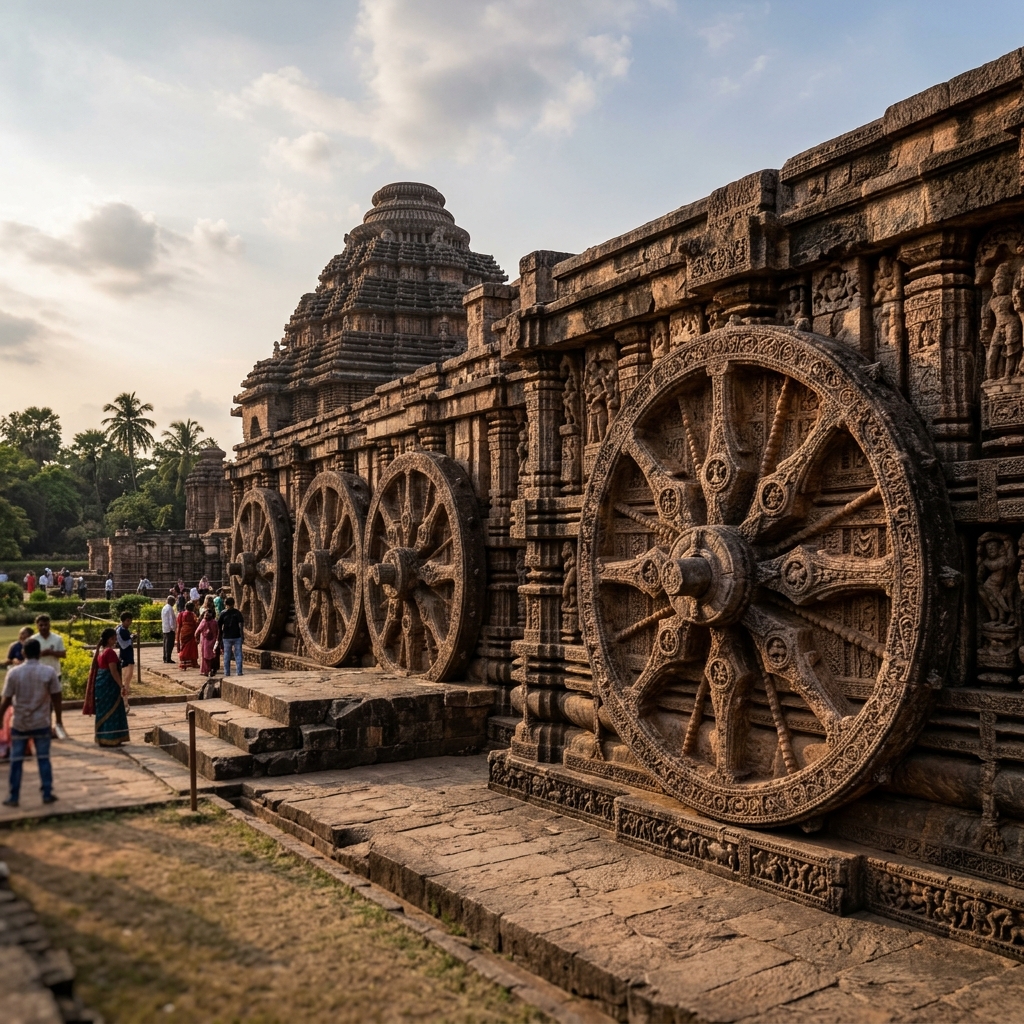
Figure 2: Architectural design and monumental structures at the Sun Temple, Konark.
📌 The Bottom Line
- brihadeeswarar-temple: A 1,000-year-old Chola masterpiece built entirely of granite, renowned for its 216-foot vimana and 80-ton monolithic capstone.
- kailasa-temple: The world's largest monolithic structure, carved top-down from a single basalt mountain by the Rashtrakutas.
- sun-temple-konark: A 13th-century Kalinga marvel designed as a celestial chariot, featuring stone wheels that function as precise sundials.
📬 Stay Updated
Get India's heritage and history stories delivered to your inbox every week. Subscribe to our free newsletter →
Disclosure: This post contains affiliate links. If you purchase through our links, we earn a small commission at no extra cost to you. We only recommend products we believe in.
Enjoyed this post?
Get our weekly digest delivered free.
Share this post:
Knowelth is reader-supported. We may earn a commission from links in this article at no extra cost to you. Read our disclosure.
Related Posts
Stone Chronicles of Sovereignty and Democracy: The Epigraphic Legacy of Aihole's Meguti Temple, Uttiramerur's Assembly Inscriptions, and the Royal Reliefs of Hampi's Hazara Rama
Stone Chronicles of Sovereignty and Democracy: The Epigraphic Legacy of Aihole's Meguti Temple, Uttiramerur's Assembly Inscriptions, and the Royal Reliefs of Hampi's Hazara Rama Across the diverse lan…
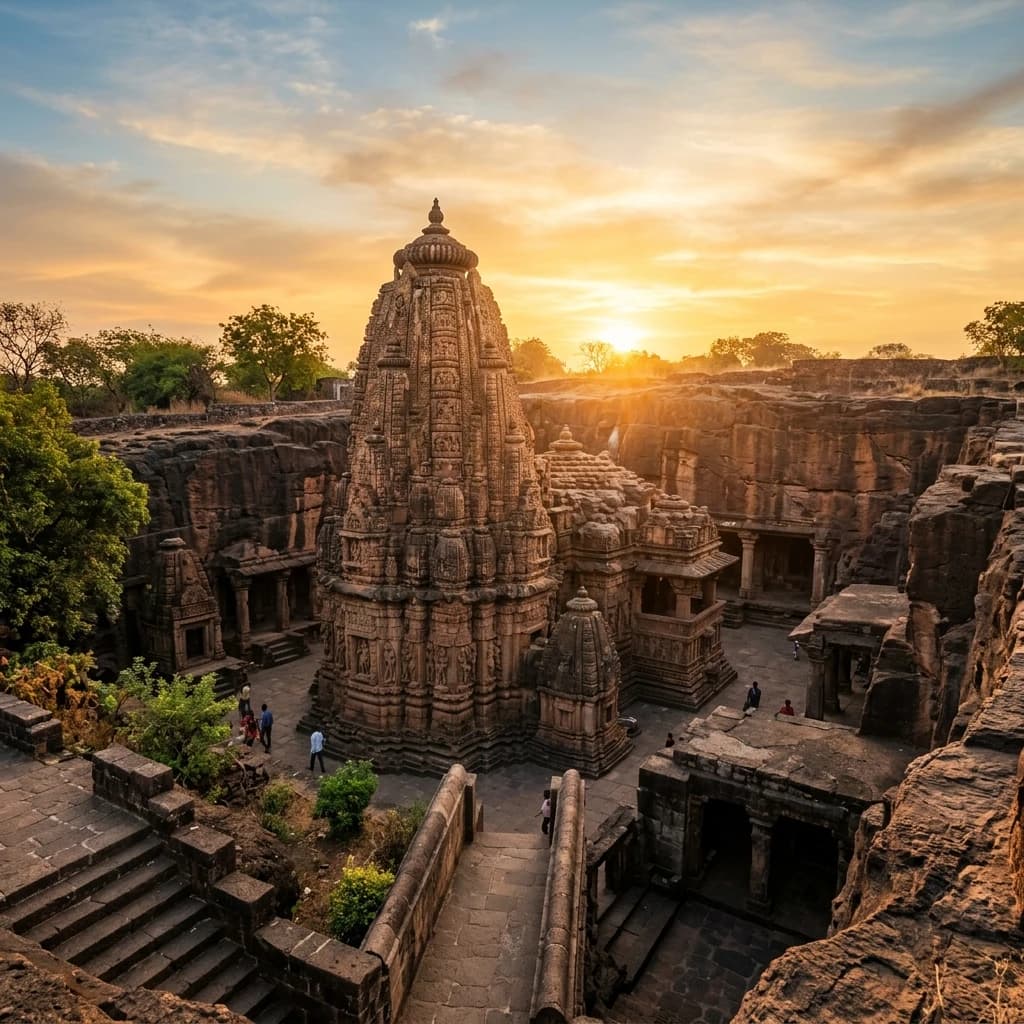
Monolithic Cliffs, Alpine Spires, and Chariots of Stone: The Architectural Feats of Dhamnar, Baijnath, and Melkadambur
Monolithic Cliffs, Alpine Spires, and Chariots of Stone: The Architectural Feats of Dhamnar, Baijnath, and Melkadambur Across the vast geographical expanse of the Indian subcontinent, ancient and medi…
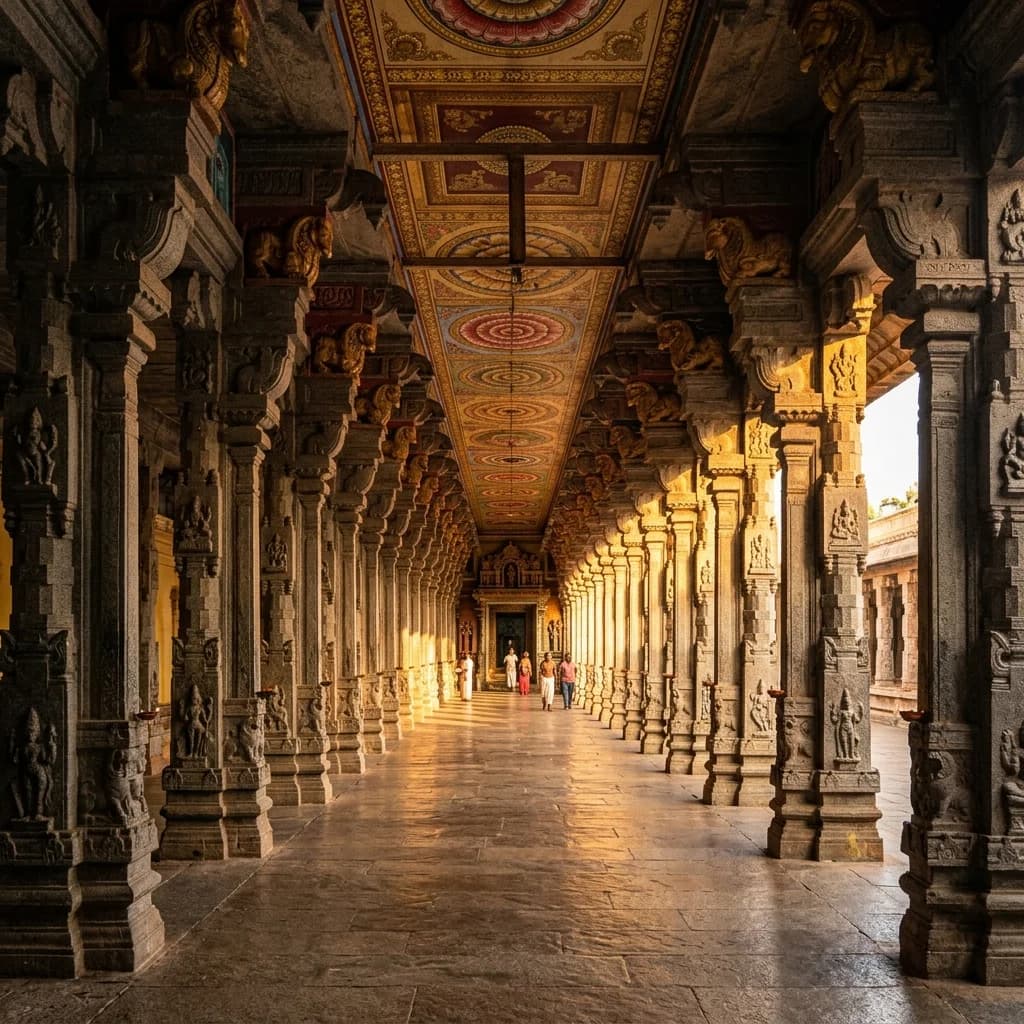
Sacred Corridors, Interlocking Stone Chains, and Thousand-Pillar Sanctuaries: The Architectural Marvels of Rameswaram, Kanchipuram, and Moodabidri
Sacred Corridors, Interlocking Stone Chains, and Thousand-Pillar Sanctuaries: The Architectural Marvels of Rameswaram, Kanchipuram, and Moodabidri Across the Indian subcontinent, the evolution of sacr…