Sacred Dynastic Stone: Unveiling Kuruvatti Mallikarjuna, Biccavolu Chalukya Shrines, and Kadwaha Monastery
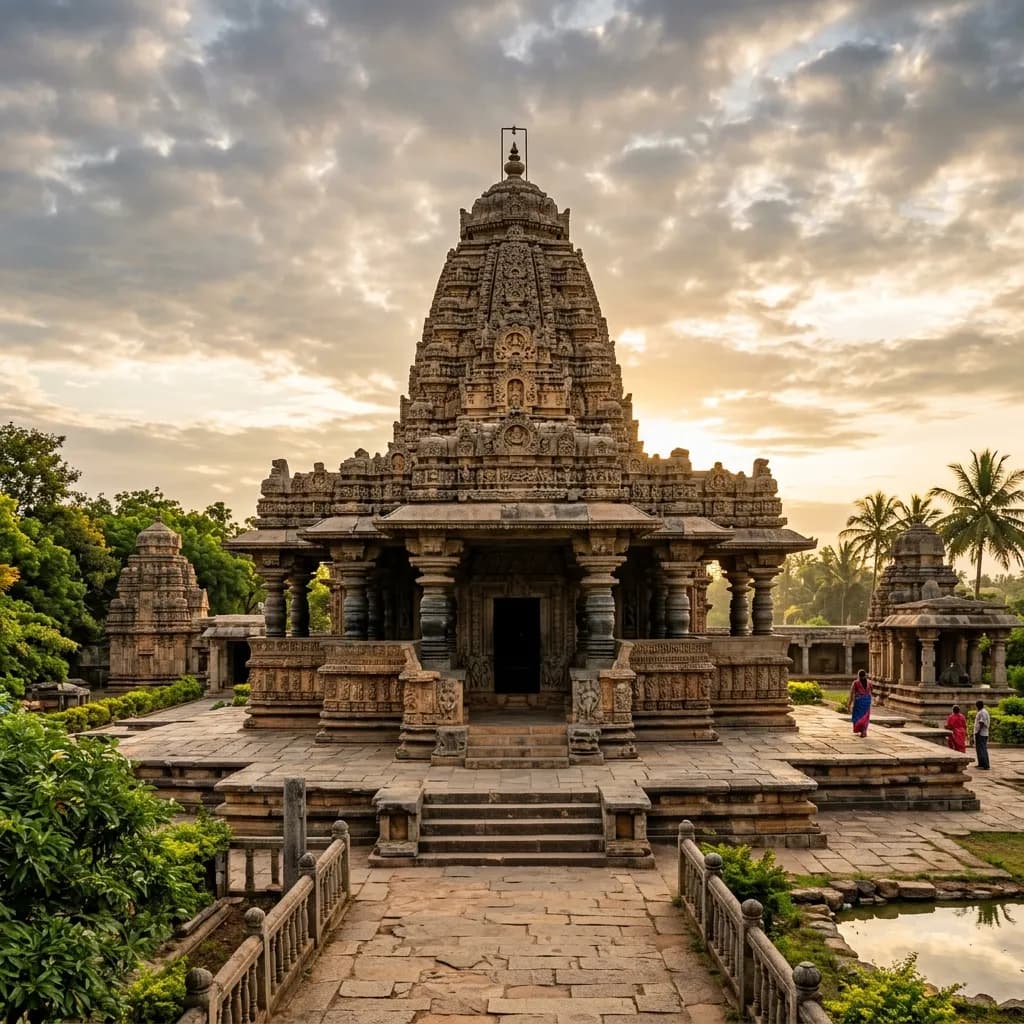
Sacred Dynastic Stone: Unveiling Kuruvatti Mallikarjuna, Biccavolu Chalukya Shrines, and Kadwaha Monastery
Across the Indian subcontinent, medieval stone temples serve as enduring lithic archives, preserving the peak of regional architectural evolution, sacred geometry, and royal epigraphy. These monuments were not merely places of worship, but monumental statement pieces where imperial dynasties carved their statecraft, geological mastery, and philosophical traditions directly into bedrock. Today, we explore three remarkable yet under-celebrated historical wonders: the commemorative soapstone sanctuary of Kuruvatti’s Mallikarjuna Temple in Karnataka, the early Dravida brick-and-sandstone masterpieces of Biccavolu in Andhra Pradesh, and the fortified 9th-century Shaiva monastic complex of Kadwaha in Madhya Pradesh.
🏛️ Commemorative Vesara Elegance: Mallikarjuna Temple of Kuruvatti
Situated along the banks of the sacred Tungabhadra River in the Vijayanagara district of Karnataka, the Mallikarjuna Temple at Kuruvatti represents one of the finest manifestations of Western Chalukya (Kalyani Chalukya) architecture. Built during the late 11th century under the reign of King Vikramaditya VI, the shrine belongs to the "trans-Tungabhadra branch" of the Lakkundi architectural idiom. Carved from fine-grained chloritic schist (soapstone), the temple stands as a testament to the transition from early rock-cut traditions to the intricate, lathe-turned structural brilliance that would later influence the Hoysalas.
Beyond its artistic merit, Kuruvatti holds profound historical and epigraphical significance as a commemorative royal memorial. Epigraphic records reveal that the temple was constructed to honor the Chalukyan emperor Someshvara I (Ahavamalla), who, suffering from an incurable illness in 1062 CE, performed the ritual submersion (jalasamadhi) in the nearby Tungabhadra waters. Consequently, contemporary inscriptions refer to the presiding deity as Ahavamalleshvara or Abhinava Someshvara, while designating Kuruvatti itself as Dakshina Varanasi (the Varanasi of the South). Over 22 detailed inscriptions carved into the temple’s stone slabs document royal land grants spanning the Western Chalukya and Hoysala eras, including grants by King Veera Ballala II in 1197 CE.
Architecturally, the temple follows an ekakuta (single-shrine) plan featuring a garbhagriha (sanctum), an antarala (vestibule), a closed navaranga (nine-bay hall), and open mukhamantapas (entrance porches), complemented by a detached nandimantapa. The central hall is famous for its lathe-turned soapstone pillars, polished to a mirror-like finish, and its intricate Madanika (bracket figure) sculptures depicting celestial dancers and musicians. The doorway leading into the sanctum is framed by five decorative stone bands (pancha-shakha) featuring lotus motifs, scrollwork, and a central relief of Gajalakshmi, surmounted by a lavishly carved makaratorana arch at the vestibule entrance.
🗿 Eastern Chalukyan Synthesis: The Biccavolu Temple Group
Located in the East Godavari region of Andhra Pradesh, the historical complex of Biccavolu (anciently known as Birudankinavolu) preserves the architectural legacy of the Eastern Chalukyas of Vengi. The town derived its name from King Gunaga Vijayaditya III (848–892 CE), whose royal title Birudanka marked a golden age of military stability and temple patronage. Constructed between the late 9th and 11th centuries CE, the Biccavolu monuments illustrate a crucial evolutionary link where Southern Dravida structural principles merged with eastern coastal artistic traditions.
The architecture of Biccavolu stands out for its harmonious synthesis of regional idioms. While the general plan exhibits the Dravidian vimana profile with square shrine towers and pillared mukhamandapas, the exterior wall ornamentation reflects direct stylistic dialogues with Chola craftsmanship to the south and Kalinga/Orissan temple art to the east. The primary shrine, the Golingeswara Swamy Temple, features a unique circular adhisthana (plinth molding) that distinguishes it from contemporary Deccan structures, demonstrating how Eastern Chalukyan master-masons experimented with geometric foundations.
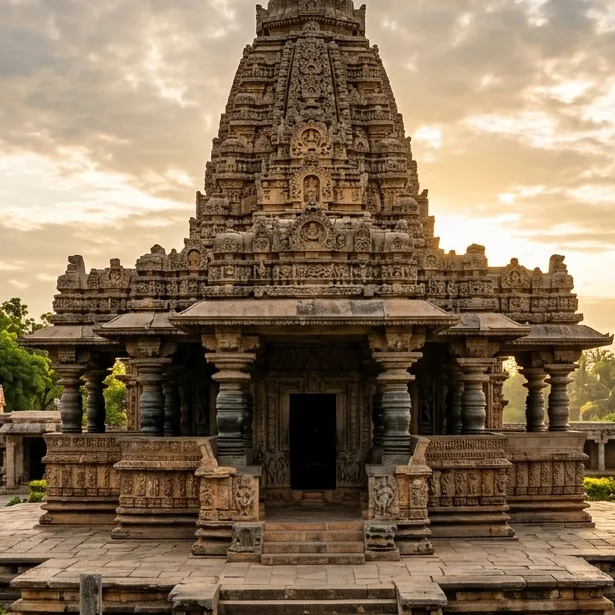
Figure 1: Intricate stone craftsmanship and architectural elements at Biccavolu Golingeswara Temple.
Iconographically, Biccavolu is a treasure trove of early medieval Hindu sculpture. The niche friezes along the outer sandstone walls depict exquisite high-relief figures of Nataraja Shiva, Surya, Indra, Ganesha, and Parvati depicted in the Alingana Chandrasekhara form. Notably, the northern wall of the Golingeswara temple includes a rare sculptured icon of Goddess Ganga standing on a makara, an iconographic placement borrowed directly from Kalinga temple canons. Epigraphically, the Golingeswara inner doorway preserves a famous 33-line inscription (sasanam) that provides historians with indispensable data regarding Eastern Chalukyan royal genealogy, tax exemptions, and land endowments to local guilds.
🔱 Fortified Sacred Learning: The Kadwaha Monastic Complex
Hidden in the Ashoknagar district of Madhya Pradesh, Kadwaha (anciently known as Kadambaguha) represents one of Central India’s most important archaeological ensembles from the Gurjara-Pratihara and Kachchhapaghata periods (9th to 12th centuries CE). Unlike isolated temple sites, Kadwaha was a thriving religious and scholastic center, functioning as the premier seat of the Mattamayura sect—a powerful order of Shaiva ascetics who wielded tremendous spiritual and political influence across medieval Bundelkhand and Malwa.
The centerpiece of Kadwaha's architectural heritage is the surviving Chandla Math, a massive two-storeyed fortified stone monastery built in the 9th century. Constructed entirely of dry-stone ashlar masonry without mortar, the monastery features a central open courtyard surrounded by pillared galleries, meditation cells, and administrative chambers. This rare surviving example of non-residential monastic architecture highlights how medieval Indian mathas combined fortress-like security with peaceful monastic scholarship, serving as academies for philosophical debate, epigraphy, and Vedic study.
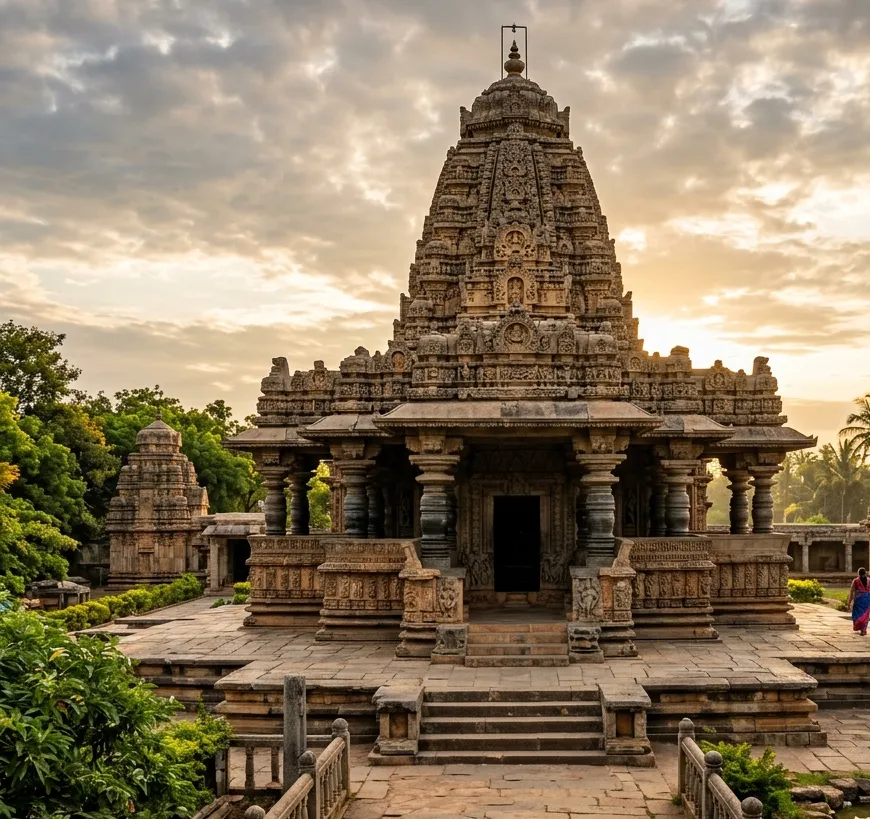
Figure 2: Architectural design and monumental structures at Kadwaha Monastic Temple Complex.
Surrounding the monastery are over fifteen well-preserved Nagara temples built on elevated plinths (khura-kumbha moldings). The shrines display remarkable architectural variety, ranging from single-cell sanctums to rare twin-garbhagriha configurations found in the Talao group. The outer jangha (wall facades) are encrusted with carved figures of the Ashtadikpalas (guardians of the eight directions), vyalas (mythical lions), and celestial dancers. The site boasts over forty stone inscriptions spanning the 10th through 16th centuries, including a notable epigraph dated to Samvat 1366 (1309 CE) that records the passage of Sultan Alauddin Khilji’s armies through Central India, documenting the shifting socio-political landscape of medieval India.
📌 The Bottom Line
- kuruvatti-mallikarjuna: A late 11th-century Western Chalukyan Vesara masterpiece built from polished soapstone as a royal memorial (Dakshina Varanasi) for Emperor Someshvara I.
- biccavolu-eastern-chalukya: A 9th-century Eastern Chalukyan architectural bridge blending Dravida layout with Kalinga wall motifs and preserving a pivotal 33-line royal inscription.
- kadwaha-pratihara-monastery: A rare 9th-century fortified dry-stone Shaiva monastery (Mattamayura Matha) surrounded by 15 Nagara temples and over 40 historic epigraphs.
📬 Stay Updated
Get India's heritage and history stories delivered to your inbox every week. Subscribe to our free newsletter →
Disclosure: This post contains affiliate links. If you purchase through our links, we earn a small commission at no extra cost to you. We only recommend products we believe in.
Enjoyed this post?
Get our weekly digest delivered free.
Share this post:
Knowelth is reader-supported. We may earn a commission from links in this article at no extra cost to you. Read our disclosure.
Related Posts
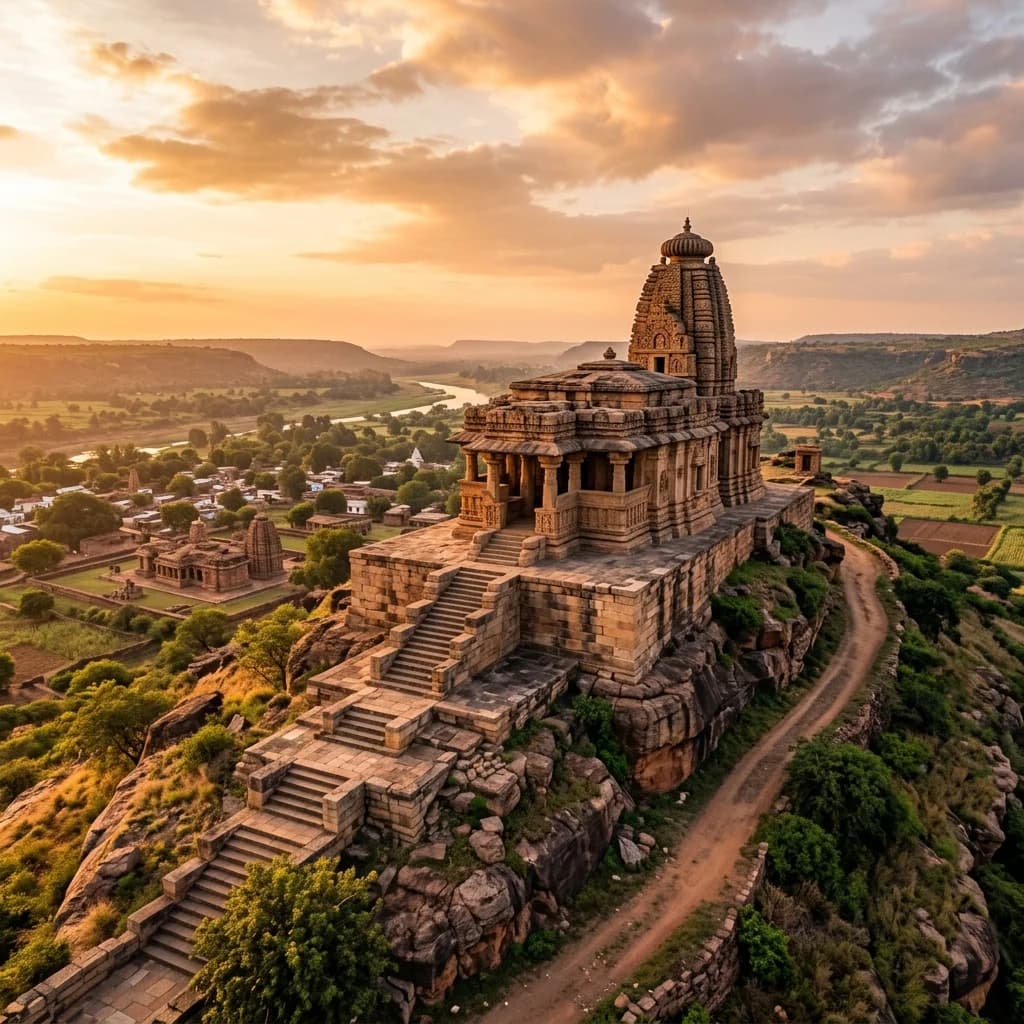
Stone Chronicles of Sovereignty and Democracy: The Epigraphic Legacy of Aihole's Meguti Temple, Uttiramerur's Assembly Inscriptions, and the Royal Reliefs of Hampi's Hazara Rama
Stone Chronicles of Sovereignty and Democracy: The Epigraphic Legacy of Aihole's Meguti Temple, Uttiramerur's Assembly Inscriptions, and the Royal Reliefs of Hampi's Hazara Rama Across the diverse lan…
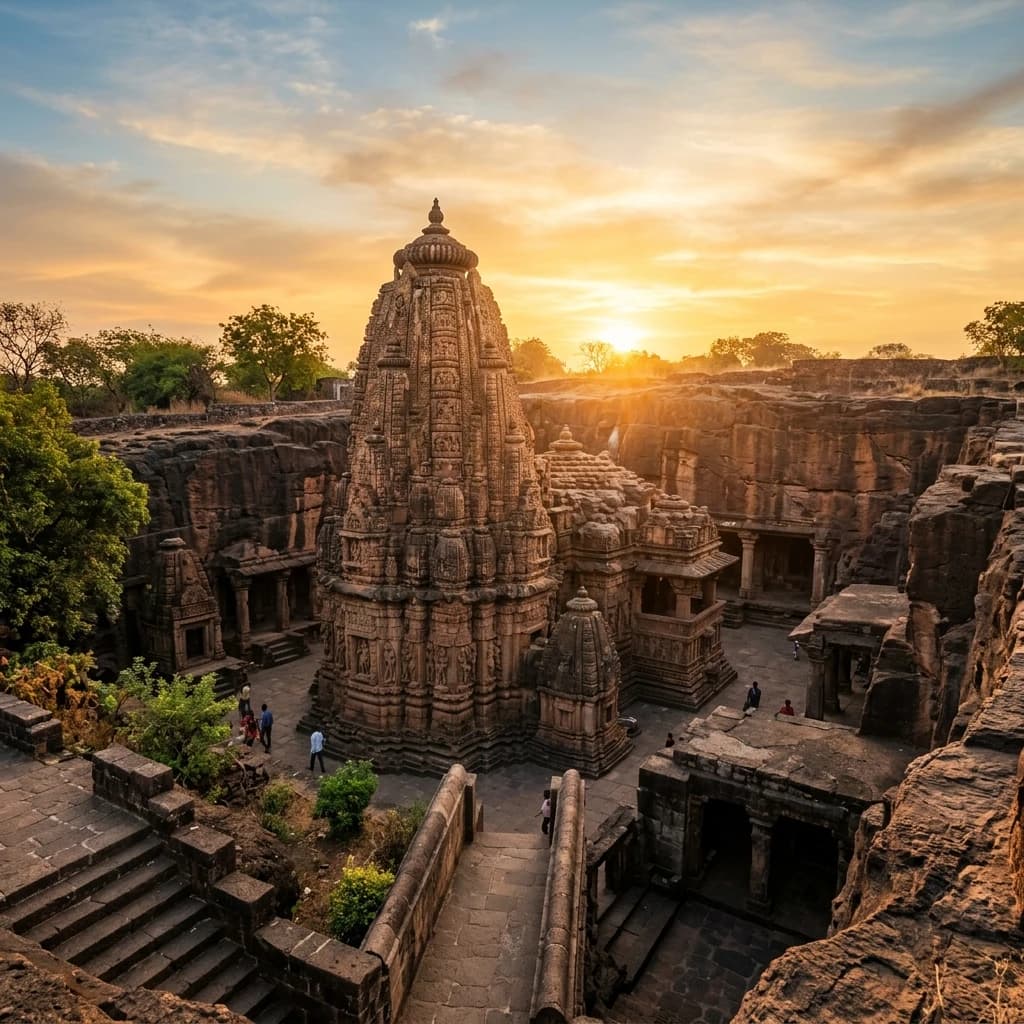
Monolithic Cliffs, Alpine Spires, and Chariots of Stone: The Architectural Feats of Dhamnar, Baijnath, and Melkadambur
Monolithic Cliffs, Alpine Spires, and Chariots of Stone: The Architectural Feats of Dhamnar, Baijnath, and Melkadambur Across the vast geographical expanse of the Indian subcontinent, ancient and medi…
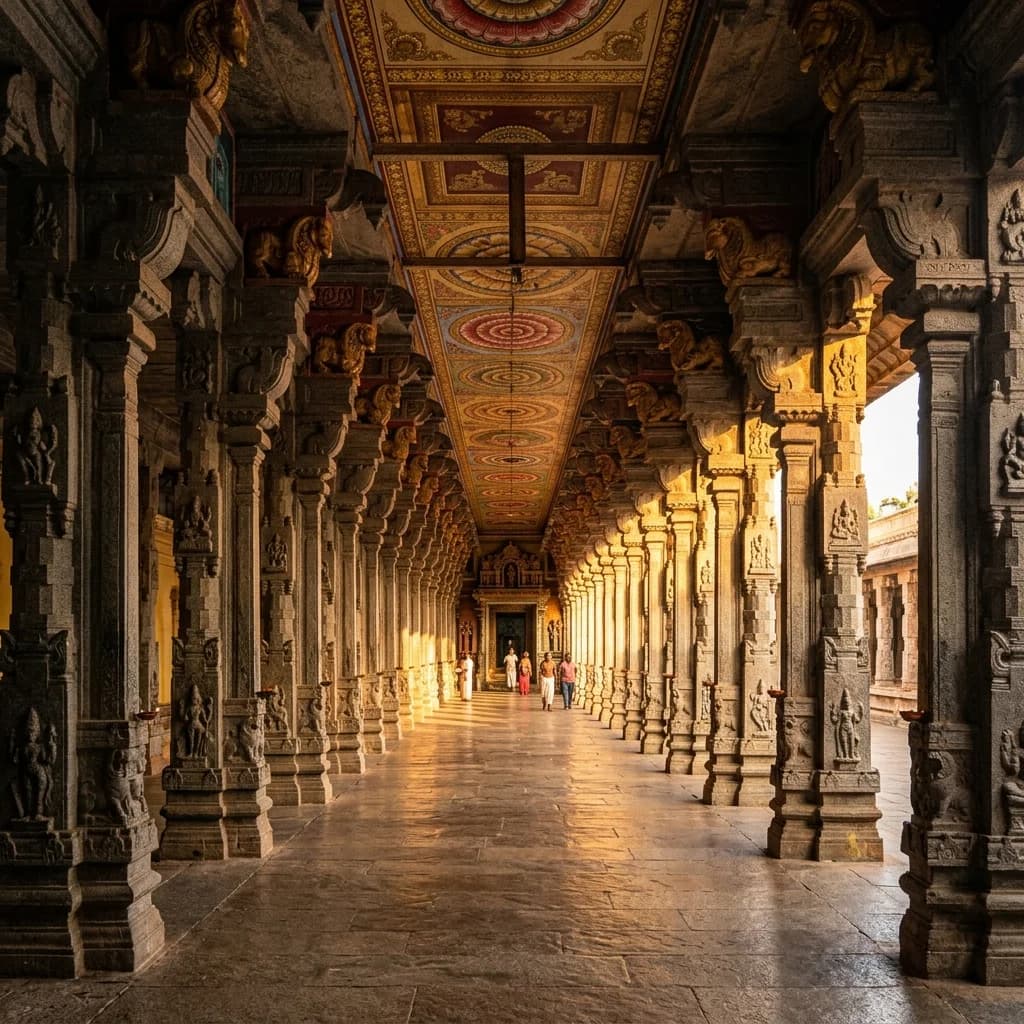
Sacred Corridors, Interlocking Stone Chains, and Thousand-Pillar Sanctuaries: The Architectural Marvels of Rameswaram, Kanchipuram, and Moodabidri
Sacred Corridors, Interlocking Stone Chains, and Thousand-Pillar Sanctuaries: The Architectural Marvels of Rameswaram, Kanchipuram, and Moodabidri Across the Indian subcontinent, the evolution of sacr…