Stone Bastions, Animal Syncretism, and Polished Chlorite Spires: The Dravidian Masonry of Malegitti Shivalaya, the Enigmatic Rudra Shiva of Tala, and the Bhanja Splendour of Khiching
Stone Bastions, Animal Syncretism, and Polished Chlorite Spires: The Dravidian Masonry of Malegitti Shivalaya, the Enigmatic Rudra Shiva of Tala, and the Bhanja Splendour of Khiching
Across the diverse geological and cultural terrains of the Indian subcontinent, ancient shrines stand as permanent stone manuscripts, documenting the peaks of mechanical masonry, zoomorphic iconography, and regional lithic specialization. From the sandstone bluffs of northern Karnataka to the river valleys of Chhattisgarh and the forested hills of northern Odisha, master craftsmen transformed diverse stones into profound cosmological architecture.
This technical investigation explores three monumental achievements of classical Indian temple engineering: the 7th-century dry-ashlar sandstone masonry and early Dravidian geometry of the Malegitti Shivalaya at Badami (Early Chalukyas), the 6th-century Sharabhapuriya zoomorphic Rudra Shiva and ashlar gateways of the Deorani-Jethani temples at Tala (Chhattisgarh), and the 10th-century polished blue-black chlorite Rekha-deula of the Kichakeswari Temple at Khiching (Bhanja dynasty).
🏛️ The Sentinel of Vatapi: The 7th-Century Malegitti Shivalaya of Badami
Early Chalukya Structural Sandstone Dry Masonry, Jalandhara Pierced Lattices, and Dravidian Geometry
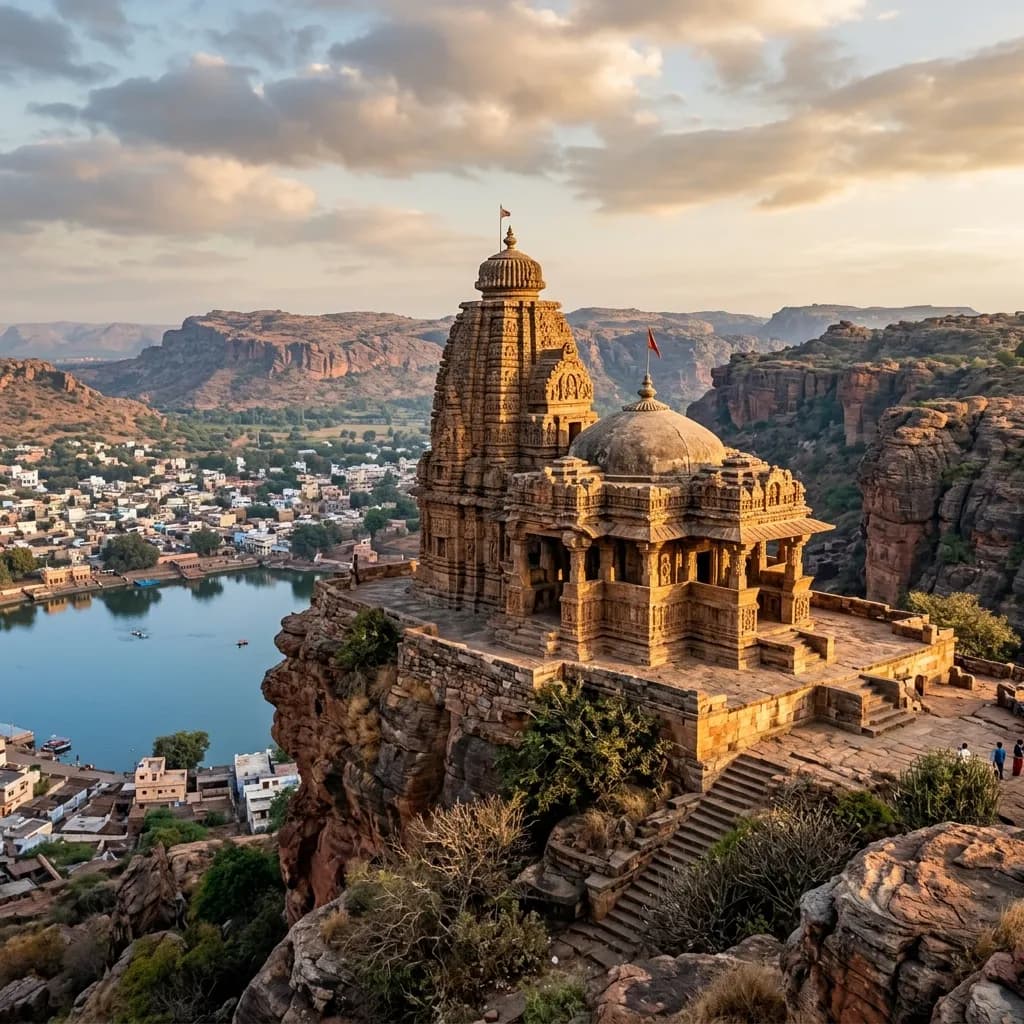
The Dawn of Free-Standing Structural Architecture in the Deccan: Perched on an isolated sandstone ridge overlooking the historic waters of Agastya Lake in Badami, Karnataka, the Malegitti Shivalaya ("The Garland Maker's Temple of Shiva") was constructed between 625 and 650 CE during the reign of the Early Chalukyas (Badami Chalukyas). This monument represents a critical evolutionary leap where Chalukyan Vishwakarmas (master guilds) transitioned from excavating rock-cut cliff caves into assembling freestanding, load-bearing stone buildings using dry-masonry techniques.
                      [Malegitti Shivalaya Longitudinal Section]
                                          │
                                          ▼
                      [Two-Tiered Dravida Shikhara Spire]
                     (Octagonal Griva with Kudus & Sala Eaves)
                                          │
          ┌───────────────────────────────┴───────────────────────────────┐
          ▼                                                               ▼
[Sanctum Sanctorum (Garbhagriha)]                               [Closed Gudha-Mandapa Assembly Hall]
• Heavy Square Sandstone Core                                   • 4 Monolithic Square-Section Columns
• Massive Flat Lintel Beams                                     • Stone Lattice Windows (*Jalandharas*)
• Original Garuda & Vishnu Reliefs                              • Outer Walls: Shiva Trisula & Vishnu Chakra
          │                                                               │
          └───────────────────────────────┬───────────────────────────────┘
                                          │
                                          ▼
                      [Raised Adhishthana Plinth Base]
                    (Molded Red Sandstone Ashlar Blocks)
Structural and Lithic Specifications:
| Architectural Metric | Malegitti Shivalaya Specification | Engineering / Epigraphical Significance |
|---|---|---|
| Chronological Date | c. 625 – 650 CE (Early 7th Century) | One of the earliest surviving intact structural Dravidian temples in India |
| Masonry Technology | Mortarless Dry Ashlar Sandstone | Precision-cut stone blocks held by gravity and interlocking joints |
| Primary Lithic Medium | Kaladgi Sedimentary Red Sandstone | Local quartzose sandstone resistant to arid Deccan weathering |
| Sanctum Spire Typology | Dravida Vimana with Octagonal Cupola | Early prototype of the classic southern tiered tower (Karnata Dravida) |
| Lighting Architecture | Pierced Stone Jalandharas | Geometric pierced stone lattice windows filtering light into the hall |
| Iconographic Syncretism | Shiva Trisula + Vishnu Chakra Panels | Fluid early Chalukyan sectarian integration (Shaiva & Vaishnava) |
Masonry Engineering and Structural Layout: The temple is elevated upon a heavy molded stone platform (Adhishthana) adorned with friezes of playful Ganas (dwarfs) and charging lions. The interior Gudha-Mandapa is divided into a central nave and side aisles by four massive monolithic square columns. The absence of mortar is compensated by the sheer mass of the sandstone lintels and cantilevered stone roof slabs, creating an earthquake-resilient structural frame that has stood intact for over 1,350 years.
🗿 The Cosmic Synthesis of Tala: The 6th-Century Deorani-Jethani Temples of Chhattisgarh
6th-Century Sharabhapuriya Ashlar Foundations, Animal Syncretism, and the Iconic Rudra Shiva
Dynastic Patronage in Ancient Dakshina Kosala: Located along the banks of the Maniyari River in Tala (Talagaon), Bilaspur district, Chhattisgarh, the Deorani-Jethani temple complex was constructed during the late 5th to mid-6th century CE under the royal patronage of the Sharabhapuriya dynasty. As some of the oldest surviving structural stone sanctuaries in Central India, these red sandstone temples represent a vital evolutionary bridge between classical imperial Gupta aesthetics and early medieval regional temple design.
                      [Tala Deorani-Jethani Temple Complex]
                                        │
          ┌─────────────────────────────┴─────────────────────────────┐
          ▼                                                           ▼
[Jethani Temple (Larger / Ruined)]                          [Devrani Temple (Preserved Sanctum)]
• Semicircular Moonstone (*Chandrashila*)                    • Highly Sculpted Multi-Banded Doorjamb
• Collapsed Hypostyle Mandapa Columns                       • River Goddesses Ganga & Yamuna at Base
• Massive Sandstone Elephant Monoliths                       • Foliate Scrolls (*Patralata*) & Gana Figures
          │                                                           │
          └─────────────────────────────┬─────────────────────────────┘
                                        │
                                        ▼
                      [The Masterpiece: 7-Foot Rudra Shiva]
                    • Excavated In-Situ by ASI in 1988
                    • Zoomorphic Anatomical Synthesis (Animals as Anatomy)
Anatomical Animal Iconography of the 7-Foot Rudra Shiva:
| Anatomical Body Region | Zoomorphic Creature Representation | Symbolic / Cosmological Significance |
|---|---|---|
| Shoulders & Upper Arms | Two Lifelike Crocodiles (Makaras) | Control over aquatic life and primeval waters |
| Lips & Mouth | A Sculpted Fresh-Water Crab | Oral speech, bite, and lunar-aquatic symbiosis |
| Mustache & Nose | Pair of Symmetrical Swimming Fish | Sensory perception, respiration, and life force (Prana) |
| Eyes & Eyebrows | Squatting Frogs (Mandukas) | Amphibious transformation, vision, and monsoon fertility |
| Hair & Headdress (Jata) | Coiled Interlocking Cobras (Nagas) | Ascetic yogic energy, Kundalini, and venomous mastery |
| Thighs & Knees | Full Animal Heads (Lions & Monkeys) | Muscular locomotion and untamed forest power |
| Ears & Earlobes | Peacocks with Plumes as Pendants | Beauty, vigilance, and terrestrial bird sovereignty |
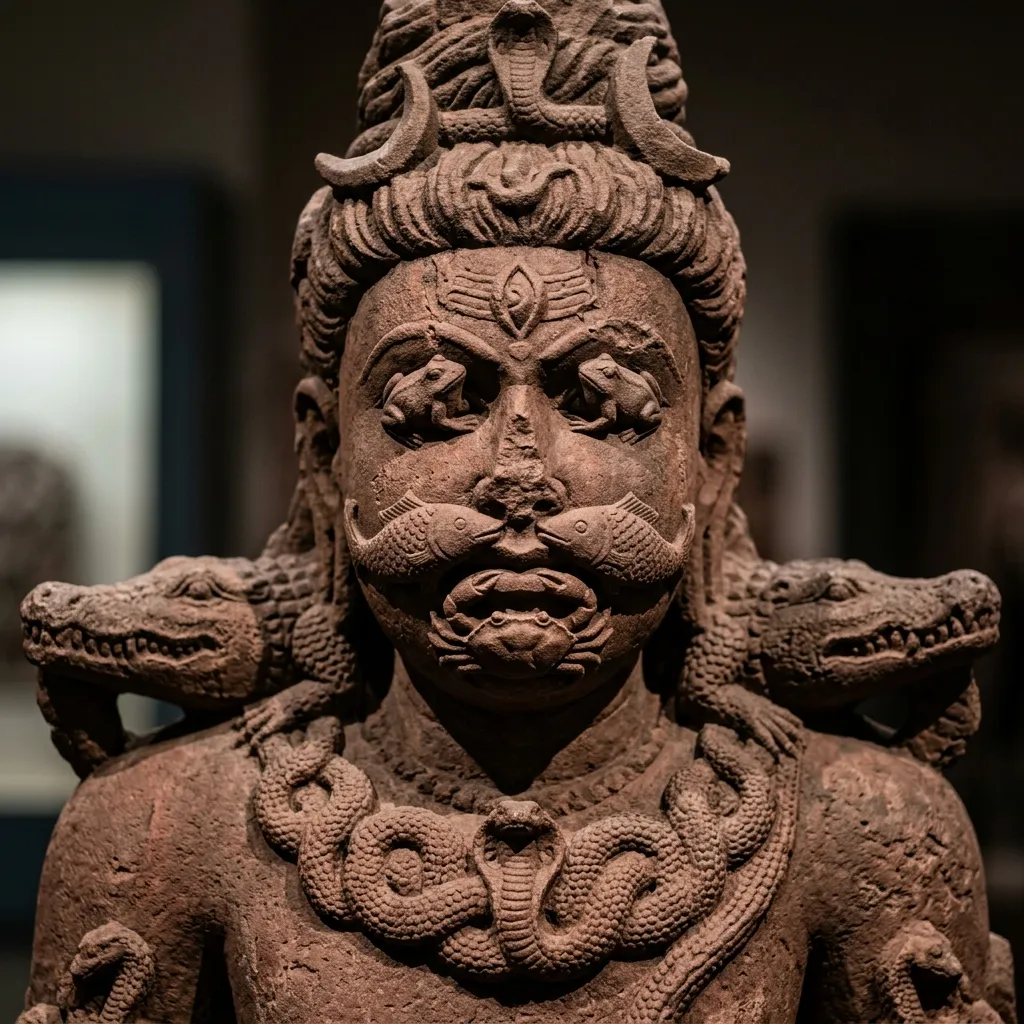
Figure 1: Intricate stone craftsmanship and architectural elements at Deorani-Jethani Temples, Tala.
The 1988 Archaeological Breakthrough: Excavated by the Archaeological Survey of India (ASI) in 1988 from the ruins of the Devrani temple courtyard, the 7-foot tall red sandstone statue of Rudra Shiva (often identified as Pashupati—Lord of all Creatures) represents the most daring departure from standard Puranic iconographical canons in Indian history. Every anatomical feature is constructed entirely of zoomorphic figures, showcasing the profound animistic and Tantric synthesis that characterized 6th-century Central Indian spirituality.
🔱 The Chlorite Spires of Khijjinga Kotta: The Kichakeswari Temple of Khiching
10th-Century Bhanja Dynasty Metamorphic Chlorite Masonry and R.P. Chanda's Dry Restoration
Bhanja Imperial Grandeur in Northern Odisha: From the 9th to the 12th century CE, Khiching (ancient Khijjinga Kotta) in Mayurbhanj district served as the fortified capital of the Bhanja dynasty. The spiritual epicenter of the kingdom was the Kichakeswari Temple, dedicated to Goddess Kichakeswari (a manifestation of Chamunda/Durga), the tutelary deity (Ishtadevata) of the Bhanja rulers. The monument represents the northern regional culmination of the classical Kalinga Rekha-deula architectural canon.
                      [Kichakeswari Temple Structural Matrix]
                                          │
                                          ▼
                      [100-Foot Curvilinear Rekha-Deula Spire]
                     (Constructed Entirely of Blue-Black Chlorite)
                                          │
          ┌───────────────────────────────┴───────────────────────────────┐
          ▼                                                               ▼
[Metamorphic Blue-Black Chlorite Medium]                        [1930s Scientific Reconstruction]
• High Hardness & Weathering Resistance                          • Led by Archaeologist R.P. Chanda
• Enables Razor-Sharp Micro-Carving                             • Reassembled without Mortar using Original Blocks
• High-Gloss Silk Polishing Texture                             • Preserved Strict Kalinga Structural Proportions
          │                                                               │
          └───────────────────────────────┬───────────────────────────────┘
                                          │
                                          ▼
                      [High-Relief Sculptural Program]
                 • Ten-Armed Dancing Bhairava & Chamunda Idols
                 • Slender S-Curved Nayikas (Celestial Maidens)
                 • Intricate Patralata Foliate Scrolls & Vyala Monsters
Material Science and Engineering of Chlorite Stone:
| Engineering Parameter | Kichakeswari Temple Specification | Geological & Architectural Significance |
|---|---|---|
| Primary Lithic Medium | Metamorphic Blue-Black Chlorite Stone | Ultra-dense, fine-grained silicate rock capable of glass-like polish |
| Sanctum Tower Height | 30.5 Meters (100.0 Feet) | Soaring curvilinear Rekha-Deula dominating the Mayurbhanj plains |
| Sculptural Plasticity | Razor-Sharp High-Relief Carving | Resists rain erosion far better than standard sandstone or laterite |
| Reconstruction Period | 1920s – 1934 (Maharaja Purna Chandra) | Pioneering anastylosis restoration executed by ASI scholar R.P. Chanda |
| Museum Repository | Khiching Archaeological Museum (1922) | Houses rare chlorite sculptures of Buddha, Avalokiteshvara, and Surya |
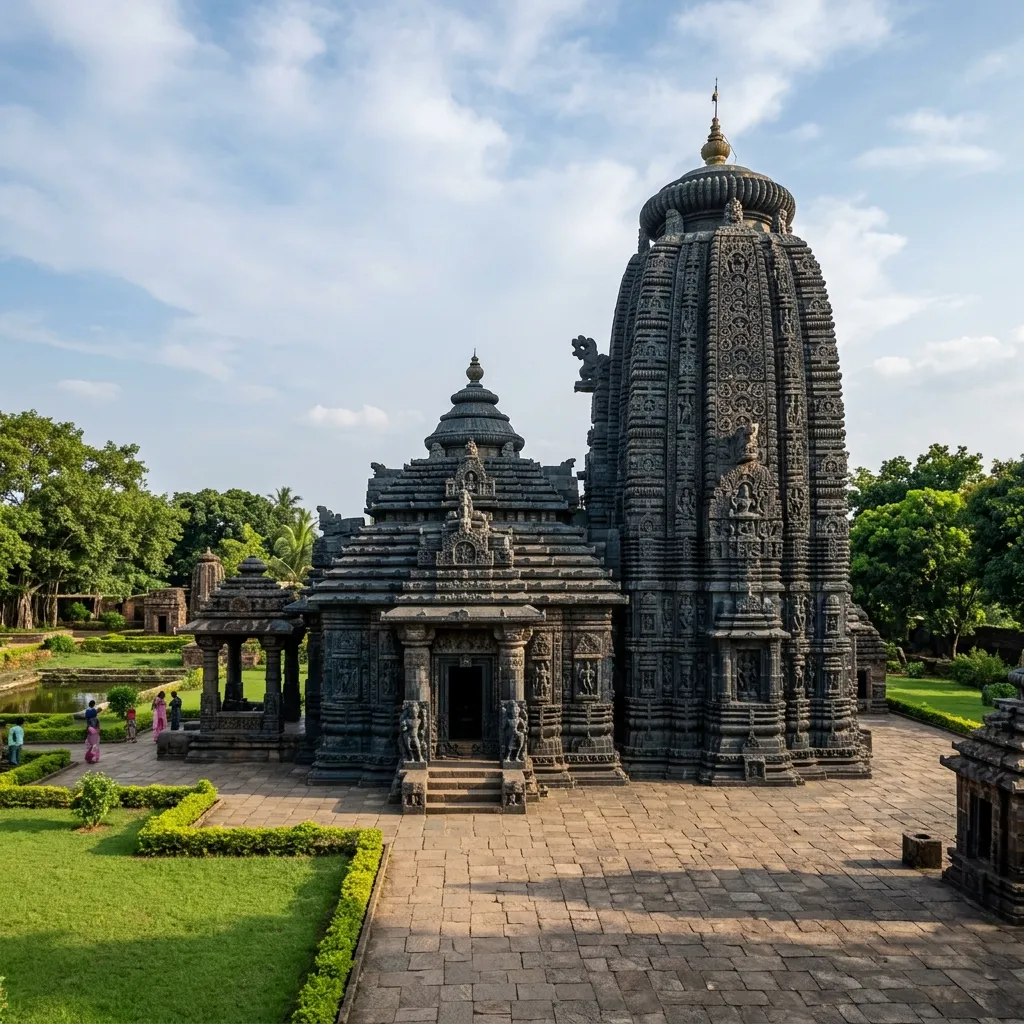
Figure 2: Architectural design and monumental structures at Kichakeswari Temple, Khiching.
The Anastylosis Restoration by R.P. Chanda: Following centuries of warfare and natural decay, the towering chlorite Deula collapsed into a mound of rubble. In the 1920s, Maharaja Purna Chandra Bhanjdeo of Mayurbhanj funded a pioneering scientific reconstruction led by celebrated archaeologist Rai Bahadur Ramaprasad Chanda. Every single fallen chlorite block was cataloged, numbered, and refitted into its precise mathematical position without using modern cement mortar, restoring the 100-foot spire to its pristine 10th-century Kalingan proportions.
📊 Comparative Architectural & Regional Matrix
| Parameter | Malegitti Shivalaya (Badami) | Deorani-Jethani (Tala) | Kichakeswari Temple (Khiching) |
|---|---|---|---|
| Dynastic Patron | Early Chalukyas of Badami | Sharabhapuriya Dynasty | Bhanja Dynasty (Khijjinga Kotta) |
| Chronological Period | c. 625 – 650 CE (7th Century) | 5th – 6th Century CE | 900 – 1000 CE (10th Century) |
| Lithic Raw Medium | Kaladgi Sedimentary Red Sandstone | Fine-Grained Red Sandstone | Polished Blue-Black Chlorite Stone |
| Architectural Style | Early Karnata Dravida Structural | Post-Gupta Dakshina Kosala | Classical Northern Kalinga (Rekha-Deula) |
| Pinnacle Artistic Feat | Dry-stone ashlar & stone lattice jalis | 7-ft Zoomorphic Rudra Shiva Statue | 100-ft Mortarless Anastylosis Spire |
| Primary Dedication | Shiva (with early Vishnu syncretism) | Shiva (Pashupati / Rudra) | Goddess Kichakeswari (Chamunda) |
📌 The Bottom Line
- malegitti-shivalaya: One of India's earliest surviving freestanding structural Dravidian temples, constructed in 625–650 CE from dry-laid Kaladgi red sandstone ashlar blocks without mortar; features pierced Jalandhara stone lattice windows and early Chalukyan syncretic iconographic panels of Shiva and Vishnu.
- rudra-shiva-tala: A 6th-century Sharabhapuriya architectural complex in Chhattisgarh famed for the 7-foot monolithic Rudra Shiva sculpture discovered in 1988, where every anatomical feature is formed by animals (crocodiles as shoulders, crab as mouth, frogs as eyes, and snakes as hair).
- kichakeswari-khiching: A 10th-century Kalinga-style architectural marvel built entirely of polished blue-black metamorphic chlorite stone, rising 100 feet as a Rekha-deula; systematically restored in the 1920s–1930s via dry anastylosis by archaeologist R.P. Chanda.
📬 Stay Updated
Get India's heritage and history stories delivered to your inbox every week. Subscribe to our free newsletter →
Disclaimer: The information provided in this post is for educational and informational purposes only. It is not intended to be a substitute for professional historical or architectural advice.
Enjoyed this post?
Get our weekly digest delivered free.
Share this post:
Knowelth is reader-supported. We may earn a commission from links in this article at no extra cost to you. Read our disclosure.
Related Posts
Stone Chronicles of Sovereignty and Democracy: The Epigraphic Legacy of Aihole's Meguti Temple, Uttiramerur's Assembly Inscriptions, and the Royal Reliefs of Hampi's Hazara Rama
Stone Chronicles of Sovereignty and Democracy: The Epigraphic Legacy of Aihole's Meguti Temple, Uttiramerur's Assembly Inscriptions, and the Royal Reliefs of Hampi's Hazara Rama Across the diverse lan…
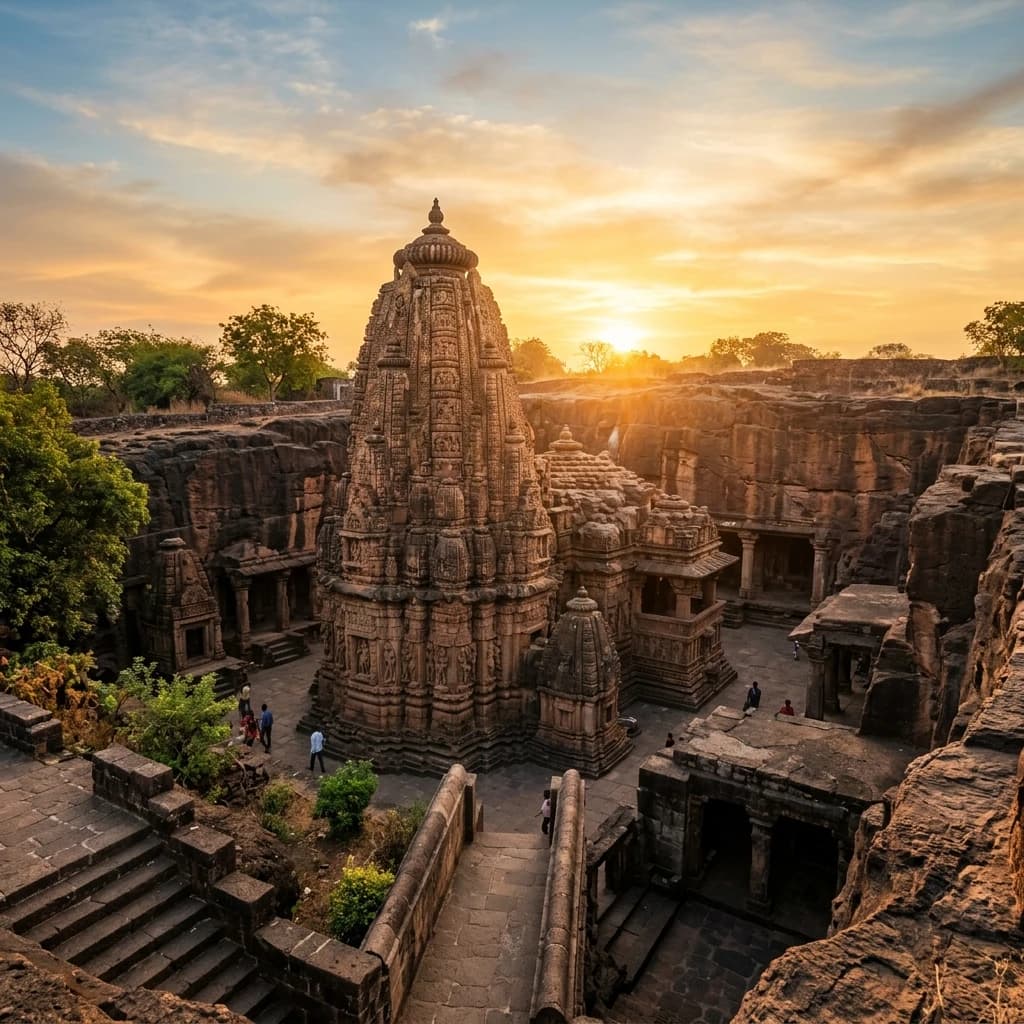
Monolithic Cliffs, Alpine Spires, and Chariots of Stone: The Architectural Feats of Dhamnar, Baijnath, and Melkadambur
Monolithic Cliffs, Alpine Spires, and Chariots of Stone: The Architectural Feats of Dhamnar, Baijnath, and Melkadambur Across the vast geographical expanse of the Indian subcontinent, ancient and medi…
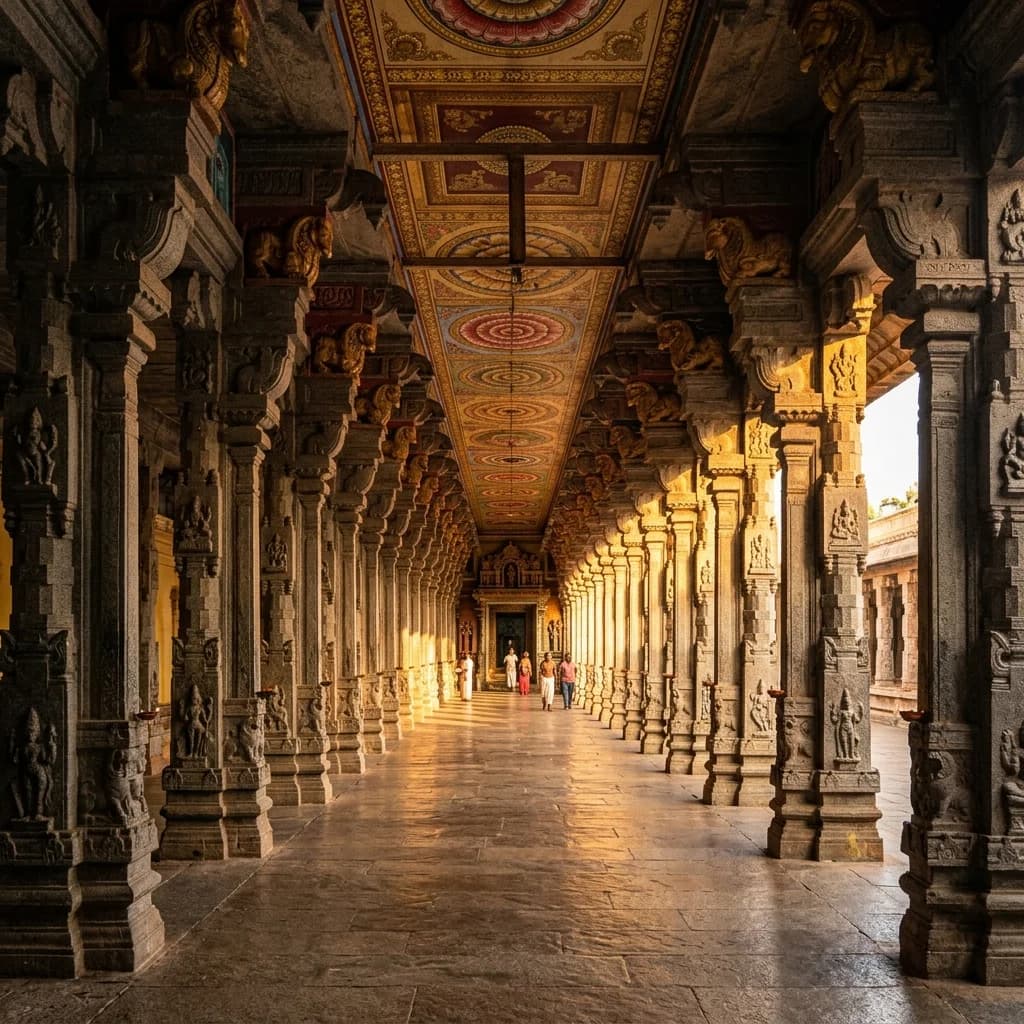
Sacred Corridors, Interlocking Stone Chains, and Thousand-Pillar Sanctuaries: The Architectural Marvels of Rameswaram, Kanchipuram, and Moodabidri
Sacred Corridors, Interlocking Stone Chains, and Thousand-Pillar Sanctuaries: The Architectural Marvels of Rameswaram, Kanchipuram, and Moodabidri Across the Indian subcontinent, sacred architecture r…