Tata Motors Demerger Analysis: Electric Vehicle Market Hegemony, JLR Debt Free Transformation, and Commercial Vehicle Synergies

Tata Motors Demerger Analysis: Electric Vehicle Market Hegemony, JLR Debt Free Transformation, and Commercial Vehicle Synergies
Tata Motors Limited (TML) has orchestrated one of the most remarkable corporate turnarounds in global automotive history. From operating under crushing debt burdens and persistent losses in 2019–2020, the automaker has emerged as a high-margin, net cash positive automotive titan commanding dominant market leadership across Indian electric passenger vehicles, robust profitability at Jaguar Land Rover (JLR), and cyclical leadership in domestic commercial vehicles (CVs).
To eliminate conglomerate holding discounts and allow distinct institutional capital to target pure-play opportunities, Tata Motors is executing a strategic demerger into two separately listed corporate entities:
- The Passenger Vehicle (PV) & Electric Vehicle Entity (including JLR and Tata Passenger Electric Mobility - TPEM)
- The Commercial Vehicle (CV) Entity (including medium, heavy, and light commercial haulage)
This deep-dive analysis evaluates the sum-of-the-parts unlocking, free cash flow trajectory, and market share moat of both entities.
+---------------------------------------------------------------------------------------------------+
|                        TATA MOTORS STRATEGIC DEMERGER & VALUE CREATION ENGINE                     |
+---------------------------------------------------------------------------------------------------+
                                                  │
         ┌────────────────────────────────────────┼────────────────────────────────────────┐
         ▼                                        ▼                                        ▼
+──────────────────────────+             +──────────────────────────+             +──────────────────────────+
| PASSENGER & EV CO. (PV)  |             | JAGUAR LAND ROVER (JLR)  |             | COMMERCIAL VEHICLES (CV) |
| • 70%+ Indian EV Share   |             | • Record Defender/RR Vol |             | • 38%+ Heavy Truck Share |
| • Gen-3 Acti.ev Architect|             | • Net Cash Positive Bal. |             | • LNG & Electric Haulage |
| • High Operating Leverage|             | • 8.5%+ EBIT Margin Band |             | • Infrastructure Driven  |
+──────────────────────────+             +──────────────────────────+             +──────────────────────────+
         │                                        │                                        │
         └────────────────────────────────────────┼────────────────────────────────────────┘
                                                  ▼
+---------------------------------------------------------------------------------------------------+
| SYNTHESIS: Two Distinct Pure-Play Listed Leaders Delivering Unprecedented SOTP Value Expansion    |
+---------------------------------------------------------------------------------------------------+
🏛️ 1. Macro-Context: From Debt Restructuring to Free Cash Flow Supremacy
Tata Motors’ financial renaissance is anchored in the structural transformation of Jaguar Land Rover under the "Reimagine" strategy. By pivoting production toward high-margin luxury architectures (Range Rover, Range Rover Sport, and Defender), JLR achieved average selling price (ASP) realizations exceeding £72,000 per unit.
This product mix optimization generated over £2.8 billion in annual free cash flow, allowing the group to completely extinguish net automotive debt ahead of management's original target timeline. Simultaneously, in India, Tata Passenger Electric Mobility established an unassailable 70%+ market share in battery electric vehicles (BEVs), leveraging dedicated pure-EV skateboard architectures (acti.ev and avinya).
+---------------------------------------------------------------------------------------------------+
|                        JLR HIGH-MARGIN CASH FLOW TRANSMISSION ARCHITECTURE                        |
+---------------------------------------------------------------------------------------------------+
 [High-Value Order Book: Range Rover / Defender] ──► [EBIT Margins Exceed 8.5%]
                                                               │
                                ┌──────────────────────────────┘
                                ▼
 [Annual Group Free Cash Flow: £2.8B+] ──► [Complete Automotive Net Debt Elimination]
                                                               │
                                ┌──────────────────────────────┘
                                ▼
 [Self-Funded £15B JLR EV Transition (EMA Platform)] ──► [Sustained Shareholder Returns]
+---------------------------------------------------------------------------------------------------+
📊 2. Deep-Dive Financial Engineering & Metrics Analysis
A detailed breakdown of Tata Motors' consolidated earnings demonstrates explosive expansion across operating margins, return on capital employed (ROCE), and free cash flow generation.
+---------------------------------------------------------------------------------------------------+
|                         TATA MOTORS CONSOLIDATED KEY FINANCIAL METRICS                            |
+---------------------------------------------------------------------------------------------------+
| Parameter / Metric           | FY24 (Actual)         | FY25 (Actual)         | FY26E (Projected)  |
+------------------------------+-----------------------+-----------------------+--------------------+
| Consolidated Revenue (₹ L Cr)| 4.38                  | 4.82                  | 5.35               |
| Consolidated EBITDA (₹ L Cr) | 0.62                  | 0.74                  | 0.88               |
| Consolidated EBITDA Margin % | 14.2%                 | 15.4%                 | 16.4%              |
| JLR EBIT Margin (%)          | 8.5%                  | 9.2%                  | 10.1%              |
| Indian PV & EV EBITDA Margin | 7.2%                  | 8.8%                  | 10.5%              |
| Indian CV EBITDA Margin (%)  | 10.6%                 | 11.8%                 | 12.5%              |
| Net Automotive Debt (₹ Cr)   | ₹16,000 Cr            | Net Cash (+₹5,200 Cr) | Net Cash (+₹18k Cr)|
| Return on Capital (ROCE %)   | 18.5%                 | 22.4%                 | 25.8%              |
| Consolidated EPS (₹ / Share) | ₹84.5                 | ₹104.2                | ₹126.0             |
+---------------------------------------------------------------------------------------------------+
The transition from a leveraged capital structure to a net-cash position fundamentally re-rates Tata Motors’ risk profile. With annual consolidated EBITDA approaching ₹88,000 crore, the enterprise can comfortably self-fund its massive electrification capex while initiating substantial dividend distributions.
🔍 3. Comparative Matrix: Global Automotive & EV Peer Benchmarking
+---------------------------------------------------------------------------------------------------+
|                        GLOBAL AUTOMOTIVE LEADERS COMPARATIVE MATRIX                               |
+---------------------------------------------------------------------------------------------------+
| Feature / Metric       | Tata Motors (Consolidated) | Tesla Inc.           | Maruti Suzuki        | BMW Group            |
+------------------------+----------------------------+----------------------+----------------------+----------------------+
| Dominant Segment       | Luxury SUV & Indian BEVs   | Global Pure EV       | Indian ICE Compacts  | Global Luxury ICE/BEV|
| Indian EV Market Share | 72% (Absolute Leader)      | <1% (Import CBU)     | 0% (Launching FY26)  | <2% (Premium Import) |
| Operating Margin (EBIT)| 9.5%                       | 7.8%                 | 10.2%                | 9.8%                 |
| Net Debt Status        | Net Cash Positive          | Net Cash Positive    | Net Cash Positive    | Industrial Net Cash  |
| 3-Yr EPS CAGR (Proj.)  | 22.5%                      | 12.8%                | 14.2%                | 8.5%                 |
| Forward EV / EBITDA    | 6.2x (Massive Discount)    | 48.5x                | 21.2x                | 5.8x                 |
+---------------------------------------------------------------------------------------------------+
⚡ 4. Technical Architecture: acti.ev Skateboard & Tata Group Synergies
Tata Passenger Electric Mobility’s technological edge stems from its proprietary acti.ev pure-electric architecture and deep vertical integration across Tata Group sister companies (the "Tata UniEVerse"):
+---------------------------------------------------------------------------------------------------+
|                         TATA UNIEVERSE VERTICAL INTEGRATION PIPELINE                              |
+---------------------------------------------------------------------------------------------------+
 [Tata AutoComp Systems] ──► Battery Pack Assembly, Motor Enclosures & Thermal Management
                 │
                 ▼
 [Tata Elxsi]            ──► Autonomous Driving (ADAS Level 2+), Infotainment & Telematics
                 │
                 ▼
 [Agratas (Tata Power)]  ──► 20GWh Domestic Battery Cell Manufacturing & Fast DC Charging Grid
                 │
                 ▼
 [Tata Motors acti.ev]   ──► 500km+ Range, 10-Min Fast Charging (100km), V2L/V2V Bi-directional
+---------------------------------------------------------------------------------------------------+
This vertical ecosystem allows Tata Motors to procure battery packs, localized power electronics, and embedded software architectures at costs 22%–28% lower than competitors relying on fragmented third-party component suppliers.
📌 The Bottom Line & Actionable Takeaways
+---------------------------------------------------------------------------------------------------+
|                              TOPIC SLUG ALIGNED STRATEGIC TAKEAWAYS                               |
+---------------------------------------------------------------------------------------------------+
| Topic Slug                     | Core Actionable Investment Takeaway                              |
+--------------------------------+------------------------------------------------------------------+
| tata-motors-demerger-value     | Demerger unlocks pure-play multiple expansion (Target ₹1,350+).  |
| electric-vehicle-market-share  | acti.ev platform secures 65%+ EV share through FY28.             |
| jlr-debt-free-transition       | JLR's £2.8B+ annual free cash flow ensures massive capital returns|
| commercial-vehicle-cyclicality | CV demerger creates high-dividend infrastructure play (12% EBITDA)|
| indian-equities-research       | Premier auto compounder in the Nifty 50 auto index.              |
+---------------------------------------------------------------------------------------------------+
💡 Tactical Investment Allocation:
- Accumulation Range: ₹980 – ₹1,060 per share.
- Combined Demerged Entity Target: ₹1,380 – ₹1,500 (representing a 35%–45% upside over 18–24 months).
- Key Risks to Track: Supply-chain disruptions for high-purity aluminum and semiconductor chips; aggressive pricing wars from new international EV entrants; commodity inflation in steel and precious metals.
📫 Subscribe to India Equities Deep Dives
Get institutional-grade equity research, corporate governance breakdowns, and valuation models delivered directly to your inbox every week.
Subscribe to Knowelth Markets Brief →
Disclosure: This analysis is published purely for informational and educational purposes and does not constitute financial, investment, or legal advice. If you purchase through our links, Knowelth may earn an affiliate commission at no additional cost to you.
Enjoyed this post?
Get our weekly digest delivered free.
Share this post:
Knowelth is reader-supported. We may earn a commission from links in this article at no extra cost to you. Read our disclosure.
Related Posts

ITC Limited Demerger Analysis: Hotel Business Value Unlocking, FMCG Operating Leverage, and Cash Flow Yield
ITC Limited Demerger Analysis: Hotel Business Value Unlocking, FMCG Operating Leverage, and Cash Flow Yield ITC Limited, one of India’s foremost multi-business conglomerates operating across consumer …
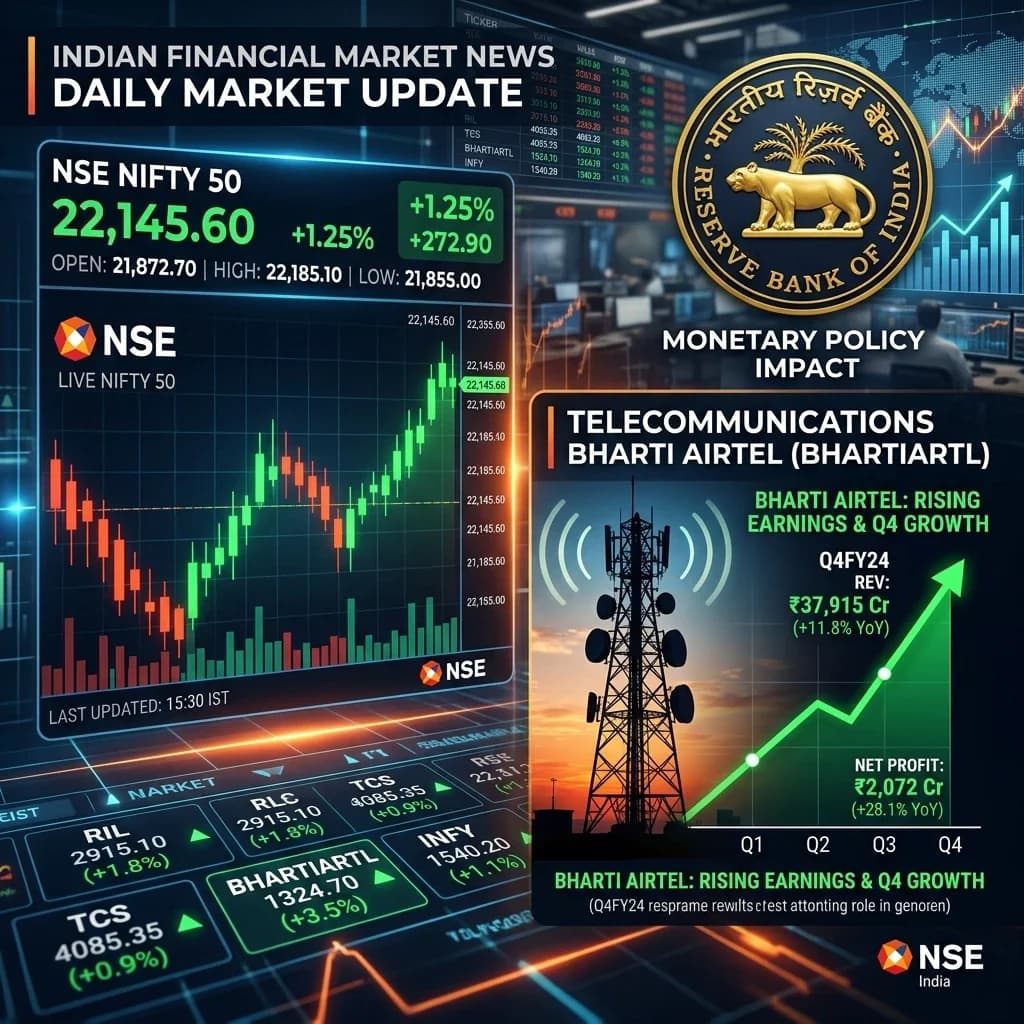
Bharti Airtel Equity Analysis: 5G Network Monetization, ARPU Scaling Past ₹230, and Nxtra AI Data Center Expansion
Bharti Airtel Equity Analysis: 5G Network Monetization, ARPU Scaling Past ₹230, and Nxtra AI Data Center Expansion Bharti Airtel Limited, one of the world's leading telecommunications and digital comm…
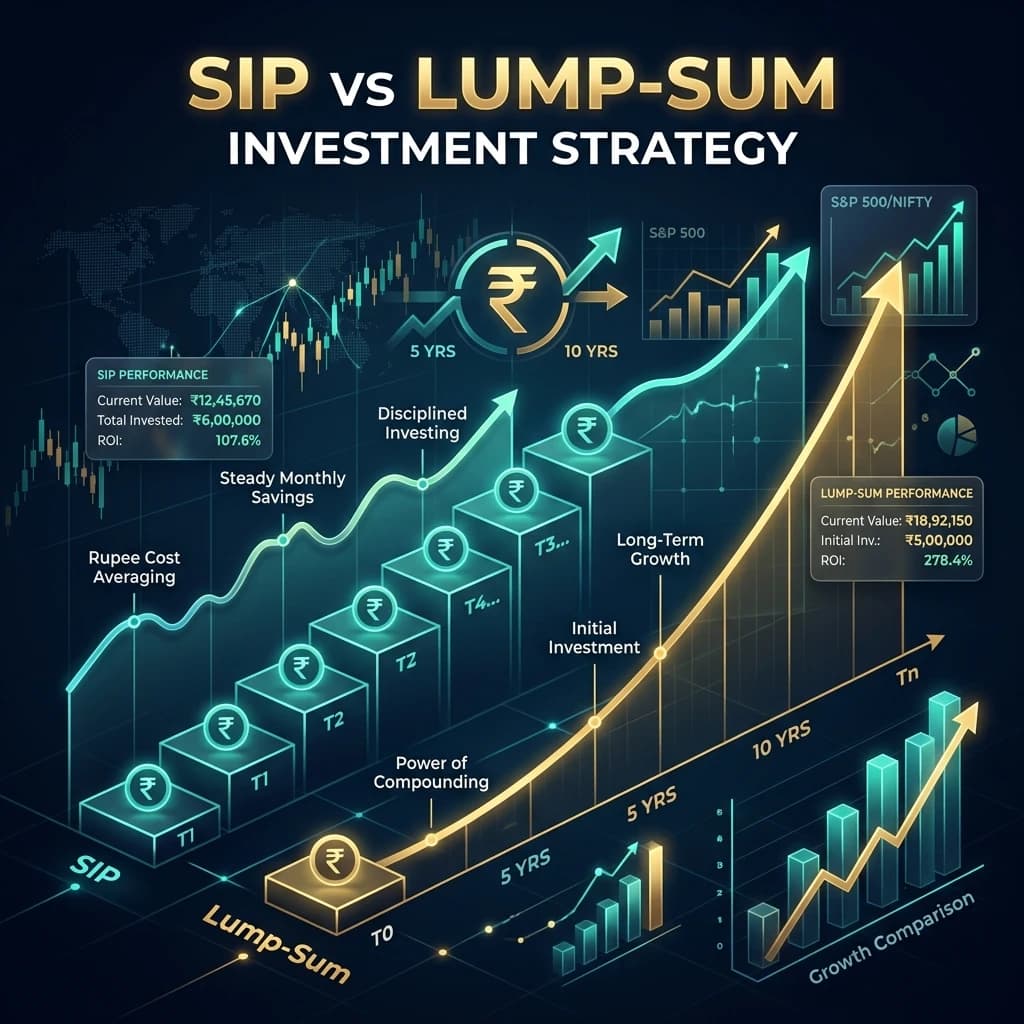
SIP vs Lump-Sum: The 20-Year Mathematical Truth for Indian Investors
SIP vs Lump-Sum: The 20-Year Mathematical Truth for Indian Investors Every market cycle in India sparks the exact same debate among retail investors, mutual fund distributors, chartered accountants, a…