Hormuz Strait Reopening, Phase-II BMD Missile Shields, and the Dual-Track AI Labor Market
Hormuz Strait Reopening, Phase-II BMD Missile Shields, and the Dual-Track AI Labor Market
Welcome to today's digest, where we cover the stabilization of global maritime corridors, next-generation strategic defense frameworks, and the shifting structures of the global labor force. Today, we analyze the United States and Iran peace memorandum of understanding that reopens the Strait of Hormuz, the successful completion of India's Phase-II Ballistic Missile Defence trials, and the emerging divisions in the employment market outlined by PwC's latest AI Jobs Barometer. Here are the key stories you need to know today, June 21, 2026.
🔬 Science: Clinical Pathology and Global Educational Safeguards
Clinical Protocols Redefine Response to Amoebic Meningoencephalitis
In a vital development for clinical epidemiology and public health management, the Kerala Health Department has implemented a proactive, diagnostic-led strategy to manage a rise in amoebic brain infections. While historical cases in the region were primarily attributed to Naegleria fowleri, which causes the highly lethal Primary Amoebic Meningoencephalitis (PAM), detailed molecular diagnostics have revealed a shift in the pathogen profile. Recent PCR screenings indicate that the majority of the 133 positive cases recorded in 2026 are actually cases of Granulomatous Amoebic Encephalitis (GAE), caused by Acanthamoeba species that thrive in soil and warm water. This distinction is critical, as GAE presents different clinical timelines and requires distinct therapeutic regimens compared to PAM.
The rise in reported infections—including 33 fatalities in early 2026—does not necessarily represent a sudden outbreak, but rather the success of a newly established diagnostic protocol. By mandating PCR screenings for all unexplained cases of encephalitis and meningitis, health officials are catching infections that previously went undiagnosed. Kerala has become the first state in India to release comprehensive clinical guidelines detailing targeted treatment protocols, early warning signs, and preventative strategies for GAE. This systematic approach establishes a benchmark for public health systems facing emerging, climate-linked pathogens, showing that rigorous surveillance and diagnostic clarity are essential to reducing mortality in high-risk organelle-level infections.
Global Report Highlights Rise in School Attacks and Need for Remote Infrastructure
Highlighting the severe impact of geopolitical instability on global education, the Global Coalition to Protect Education from Attack (GCPEA) published its Education Under Attack 2026 report. The comprehensive study documents a sobering 40% increase in attacks on schools, students, and teachers worldwide during the 2024–2025 period. The violence has impacted more than 10,600 individuals across 83 countries, highlighting a systemic threat to educational continuity in conflict zones. According to the report, schools are increasingly being targeted or occupied by military forces, converting spaces of learning into hazardous areas and denying millions of children their fundamental right to a safe education.
In response to this growing crisis, the GCPEA is calling for a coordinated international effort to deploy resilient, secure, and remote digital education infrastructures. When physical classrooms are damaged or unsafe, cloud-based learning environments and low-bandwidth digital delivery systems act as vital links to ensure learning continuity. The report emphasizes that building decentralized, encrypted educational platforms that can withstand localized power and internet outages is no longer optional. By integrating remote learning systems with satellite connectivity and distributed power, international humanitarian agencies can provide students in active conflict zones with safe access to education, shielding them from physical danger while preserving their academic futures.
💻 Technology: Aerospace Defense Systems and Distilled Generative AI
DRDO Phase-II BMD Trials and NASM-MR Enhance India’s Defense Security
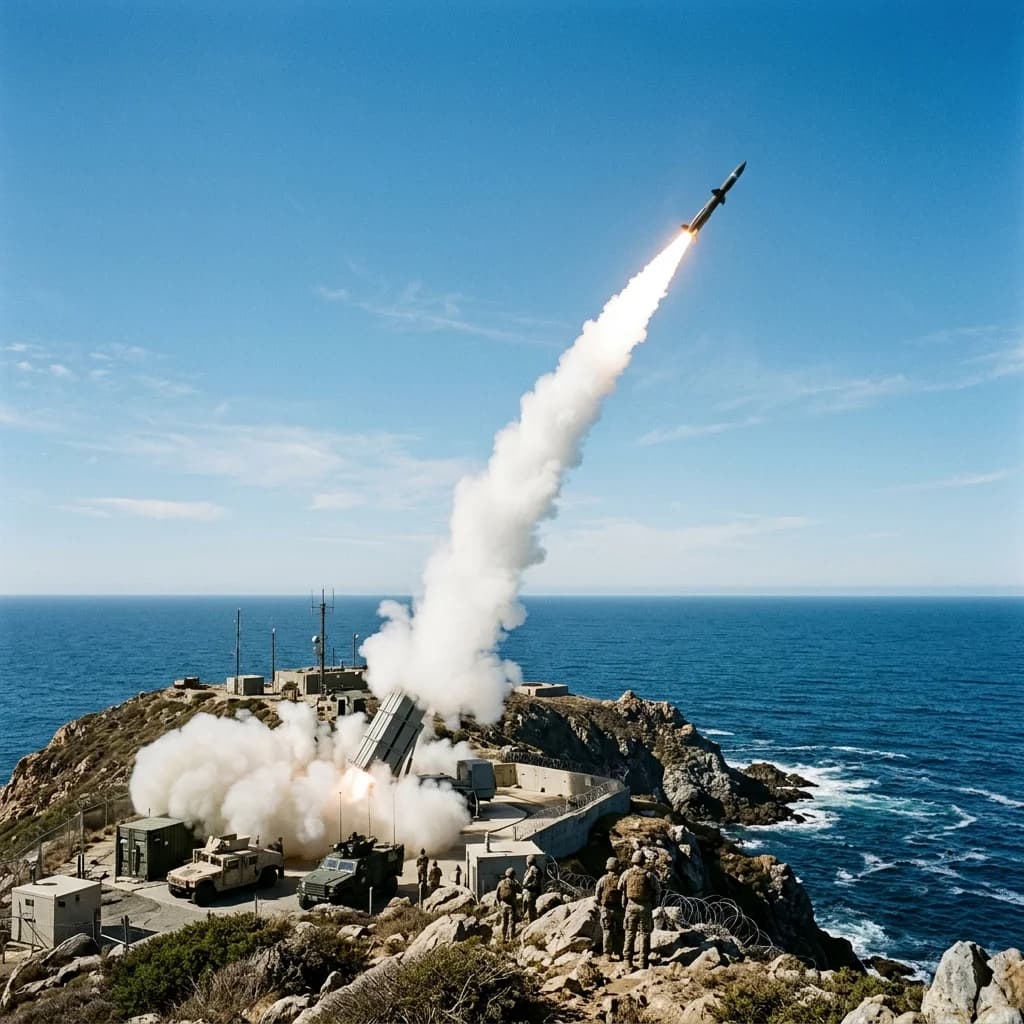
In a significant milestone for South Asian strategic stability, India's Defence Research and Development Organisation (DRDO) successfully completed its Phase-II Ballistic Missile Defence (BMD) development program. Conducting three consecutive flight trials on June 10 and 11, 2026, the trials validated India's multi-layered interception shield against high-altitude and high-speed ballistic threats. The Phase-II system incorporates the AD-1 (Prithvi) interceptor, designed for exo-atmospheric engagements in outer space (altitudes above 50km), and the Advanced Air Defence (AAD) interceptor for endo-atmospheric neutralization in the lower atmosphere (altitudes below 30km). The successful integration of these systems allows India to neutralize incoming threats up to the Intercontinental Ballistic Missile (ICBM) class, placing the nation in an elite tier of global military powers.
Following the validation of the Phase-II shield, DRDO is already transitioning to the development of Phase-III systems. This next phase will focus on countering complex, emerging threats such as hypersonic glide vehicles and missiles equipped with Multiple Independently Targetable Re-entry Vehicles (MIRVs), which present extreme challenges for traditional tracking and interception networks. In tandem with the BMD success, DRDO conducted the maiden flight test of the Naval Anti-Ship Missile-Medium Range (NASM-MR). This indigenous solid-fueled missile is designed to equip the Indian Navy's surface combatants, providing a highly precise, medium-range maritime strike capability that strengthens defense operations across the Indian Ocean Region.
Localized Video Synthesis and Wind Energy Roadmaps Push Clean Tech Boundaries
On the digital frontier, localizing generative AI models remains a primary focus for sovereign technology strategies. Supported by the IndiaAI Mission, developers at Avataar have officially launched "Varya," an indigenous video-generation AI model. Built using advanced distillation techniques, Varya is optimized to generate culturally aligned and high-fidelity video content at a fraction of the computational cost of traditional models. This optimization makes generative video creation accessible to domestic startups, digital creators, and educational institutions that were previously limited by the high subscription fees and cloud-compute dependencies of Western platforms. By enabling efficient, local inference, Varya demonstrates how model compression can democratize access to advanced creative technologies.
Simultaneously, India is accelerating its transition to clean utility infrastructure, marked by the Global Wind Day 2026 conference held in Goa. Chaired by Union Minister Pralhad Joshi, the conference brought together leaders from the Solar Energy Corporation of India (SECI), the Central Electricity Authority (CEA), and IREDA to align on India's offshore wind corridors. The ministry confirmed its commitment to achieving 100 GW of wind energy capacity by 2030, scaling to 155 GW by 2035. Discussions focused on addressing key grid-readiness challenges, upgrading inter-regional transmission lines to carry offshore power from Gujarat and Tamil Nadu, and establishing export financing frameworks to support domestic wind turbine manufacturers.
📈 Market: Geopolitical Peace Accords and Evolving Labor Dynamics
US-Iran Accord Reopens Hormuz Strait, Triggering Global Market Rally
Geopolitical risk premiums collapsed across global financial markets following the announcement of a tentative peace agreement between the United States and Iran on June 15, 2026. The memorandum of understanding (MoU), which outlines an immediate ceasefire and the lifting of the U.S. naval blockade on Iranian ports, resolves a major flashpoint in maritime trade. Crucially, the agreement ensures the reopening of the Strait of Hormuz, a vital shipping lane responsible for the transit of approximately one-fifth of the world’s petroleum liquid consumption. The formal signing ceremony is scheduled to take place in Switzerland on June 19, 2026, marking a significant milestone in Middle Eastern diplomatic relations.
Global markets reacted with immediate optimism as the threat of energy supply disruptions subsided. Asian equity indices led the upward surge, with Japan’s Nikkei 225 and South Korea’s Kospi both rallying over 5% in the first trading session following the announcement. Concurrently, commodity markets saw a sharp correction; Brent crude oil prices plunged 4.5% to settle below $83.40 per barrel, easing widespread concerns over energy-driven inflation. Financial analysts suggest that the stabilization of the Strait of Hormuz will improve global supply chain predictability, lowering shipping insurance rates and providing a supportive macroeconomic backdrop for central bank policies heading into the second half of the year.
Bilateral Slovakian Accords and the Two-Track AI Job Market Redefine Opportunities
In international diplomacy, Prime Minister Narendra Modi concluded a historic state visit to Bratislava, Slovakia, representing the first visit by an Indian Prime Minister since Slovak independence in 1993. Modi met with Slovak PM Robert Fico and President Peter Pellegrini to sign bilateral pacts focusing on automotive manufacturing, railway infrastructure, and defense production. Modi then transitioned to Évian-les-Bains, France, to participate in the 52nd G7 Summit as an invited outreach leader. Representing the Global South, India's advocacy centered on trusted AI governance and sustainable finance. However, the domestic sporting community faced bereavement with the passing of legendary shooter and national coach Jaspal Rana at the age of 49, who coached many of India's current Olympic-class pistol shooters.
These macroeconomic developments coincide with the release of PwC’s 2026 Global AI Jobs Barometer, which highlights a clear shift in the global employment landscape. The report documents the emergence of a "two-track" labor market driven by AI integration. Professionalized roles in software engineering, legal analysis, and scientific research—where AI acts as a productivity multiplier—are seeing a substantial surge in demand, accompanied by wage premiums of up to 25%. Conversely, administrative, customer support, and generic content creation roles face contraction as automated systems replace routine workflows. This polarization highlights the need for public policy to prioritize skill-redevelopment programs, ensuring that the workforce can adapt to a highly automated economic model.
The Bottom Line
- Science: Kerala's diagnostic shift to PCR testing reveals that the majority of recent amoebic brain infections are GAE caused by Acanthamoeba rather than PAM, while the GCPEA highlights a 40% surge in school attacks, urging the deployment of secure, remote digital education infrastructure.
- Technology: DRDO successfully completes Phase-II BMD trials, establishing a multi-layered strategic shield capable of intercepting ICBM-class threats, while Avataar launches Varya, a distilled AI model optimized for cost-efficient, localized video generation.
- Market: A landmark US-Iran peace MoU reopens the Strait of Hormuz, driving a 5% rally in Asian indices and a 4.5% drop in Brent crude, while PwC's Global AI Jobs Barometer warns of an emerging two-track labor market with wage premiums concentrated in high-skilled professional sectors.
Enjoyed this post?
Get our weekly digest delivered free.
Share this post:
📌 Disclosure: This post may contain affiliate links. If you make a purchase through our links, we may earn a commission at no extra cost to you. We only recommend products we believe in. See our Affiliate Disclosure.
Related Posts
U.S.-Iran Military Escalation, 3.2-Billion-Year-Old Enzymes Reconstructed, and Apple's $30 Billion U.S. Chip Deal
U.S.-Iran Military Escalation, 3.2-Billion-Year-Old Enzymes Reconstructed, and Apple's $30 Billion U.S. Chip Deal A dramatic military escalation in the Middle East has disrupted global energy markets,…

NATO Summit in Ankara, Saudi Arabia's Historic Crude Oil Price Slashes, and World's First Sub-1 GHz Massive MIMO 5G Network
NATO Summit in Ankara, Saudi Arabia's Historic Crude Oil Price Slashes, and World's First Sub-1 GHz Massive MIMO 5G Network July 7, 2026, represents a landmark day for international security allian…
UN AI Governance Summit, ISRO PSLV Resumption, and Norway's Historic World Cup Triumph
UN AI Governance Summit, ISRO PSLV Resumption, and Norway's Historic World Cup Triumph On July 6, 2026, the global landscape reflects a dynamic convergence of international policy, technological br…