Hormuz Blockade Sparks Oil Surge, Soyuz MS-29 Launches, and MIT Grows Blood Vessels
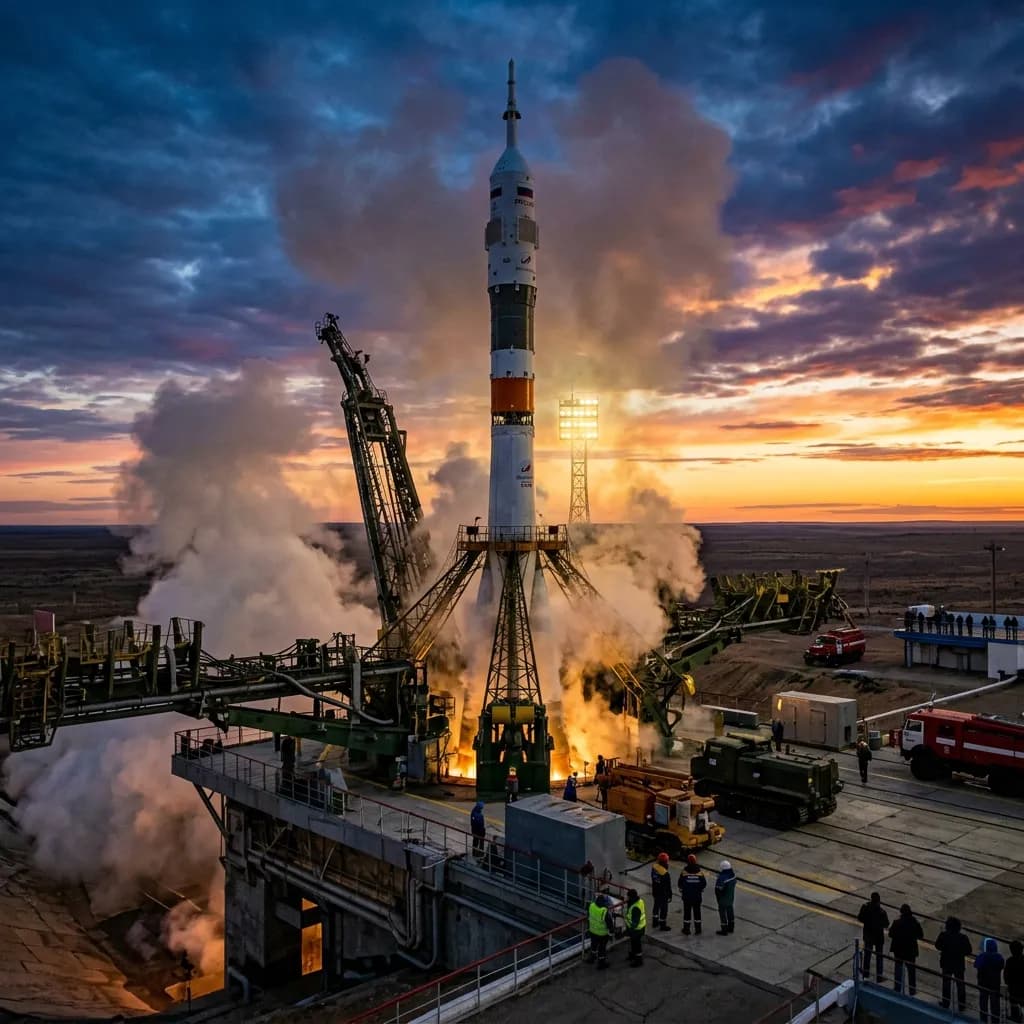
Hormuz Blockade Sparks Oil Surge, Soyuz MS-29 Launches, and MIT Grows Blood Vessels
A dramatic military escalation in the Persian Gulf, a milestone launch to the International Space Station, and a critical biomedical engineering breakthrough headline today's global roundup. As the reinstatement of a US naval blockade in the Strait of Hormuz sends energy markets into a tailspin, international crew missions continue off-planet. Simultaneously, synthetic tissue engineers have unlocked a major pathway to grow artificial blood vessels in the laboratory.
🛢️ Hormuz Blockade and US-Iran Strikes Spark 10% Oil Surge
Geopolitical tensions in West Asia reached a fever pitch following a third consecutive night of US airstrikes on military targets in six Iranian cities, including the critical port hubs of Bushehr and Bandar Abbas. The actions follow an official announcement by President Donald Trump declaring the reinstatement of a naval blockade in the Strait of Hormuz to secure international shipping lanes.
In response, Tehran claimed absolute control over the passage, declaring the strait closed and launching retaliatory drone and missile strikes against the US Al Juffair base in Bahrain. The immediate fallout was felt across global financial centers, with international crude oil benchmarks surging by nearly 10% on fears of prolonged shipping disruptions through the world's most vital energy choke point.
🚀 Soyuz MS-29 Launches NASA's Anil Menon and Crew to ISS
In a demonstration of continued, complex international space cooperation, NASA astronaut Anil Menon successfully launched aboard the Roscosmos Soyuz MS-29 spacecraft today from the Baikonur Cosmodrome in Kazakhstan. Traveling alongside Russian cosmonauts Pyotr Dubrov and Anna Kikina, Menon is beginning an eight-month scientific mission aboard the International Space Station (ISS).
The launch occurs during a period of heightened geopolitical strain on Earth, highlighting the resilience of the civil space partnership. The crew will focus on advanced microgravity science, station maintenance, and preparing the orbital laboratory for future deep-space transit operations.
🧫 MIT Engineers Grow Artificial Blood Vessels on a Chip
In a major leap forward for regenerative medicine, bioengineers at the Massachusetts Institute of Technology (MIT) have developed a highly precise method to grow functioning blood vessels in vitro. By designing a specialized "blood vessel on a chip" and subjecting it to controlled mechanical stretching, researchers successfully stimulated endothelial cells to sprout organized, new vascular networks.
One of the biggest hurdles in tissue engineering has been the lack of a vascular system to deliver nutrients to artificial organs. This new mechanical stimulation platform provides a scalable blueprint to grow functional circulatory channels, bringing scientists closer to engineering transplantable lab-grown organs.
📌 The Bottom Line
- hormuz-blockade: Military escalations in Iran and the closure of the Strait of Hormuz have pushed global oil prices up by 10%, threatening international energy stability.
- soyuz-ms-29-launch: Astronaut Anil Menon has successfully embarked on an 8-month ISS mission, demonstrating resilient space cooperation amid Earth-bound conflicts.
- mit-artificial-blood-vessels: MIT's "vessel-on-a-chip" stretching technique successfully coaxes cells to grow new pathways, marking a vital breakthrough for lab-grown organs.
Enjoyed this post?
Get our weekly digest delivered free.
Share this post:
📌 Disclosure: This post may contain affiliate links. If you make a purchase through our links, we may earn a commission at no extra cost to you. We only recommend products we believe in. See our Affiliate Disclosure.
Related Posts
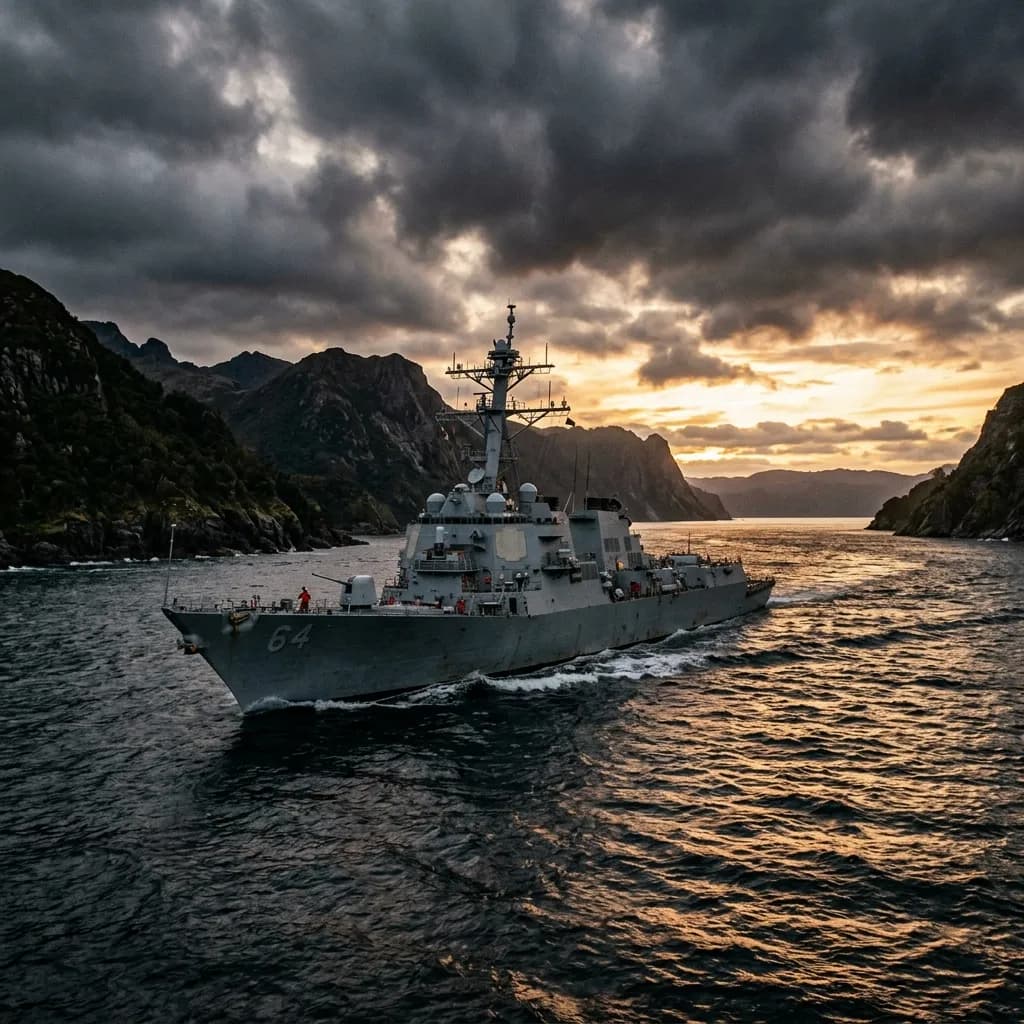
Hormuz Strait Escalation, Deep-Ocean 'Juicer' Discovery, and Everything-to-Grid Power Systems
Hormuz Strait Escalation, Deep-Ocean 'Juicer' Discovery, and Everything-to-Grid Power Systems A sharp escalation in critical maritime corridors, a paradigm-shifting oceanographic discovery, and the tr…
Carney's Saudi Trade Reset, Russia's Severe Fuel Crisis, and Metamaterial MRI Antenna Breakthrough
Carney's Saudi Trade Reset, Russia's Severe Fuel Crisis, and Metamaterial MRI Antenna Breakthrough A dramatic realignment of trade routes, systemic resource strains under military conflict, and a revo…
Vietnam Boat Tragedy, CERN Future Explorers Festival, and U.S. Affordable Housing Act
Vietnam Boat Tragedy, CERN Future Explorers Festival, and U.S. Affordable Housing Act A devastating maritime incident in Southeast Asia has cast a somber shadow on global travel, while parallel events…