Regulatory Reshaping, G7 Diplomacy, Power Financing Mergers, and Cultural Milestones: India’s Mid-June 2026 Outlook
Regulatory Reshaping, G7 Diplomacy, Power Financing Mergers, and Cultural Milestones: India’s Mid-June 2026 Outlook
As mid-June 2026 unfolds, India is navigating a dynamic landscape marked by major regulatory revisions, high-profile international diplomacy, public-sector financial restructuring, and preparations for nation-wide cultural celebrations. From the legislative scrutiny of the Foreign Contribution (Regulation) Amendment (FCRA) Bill, 2026, in Parliament, to the Prime Minister’s participation in the 52nd G7 Summit in France, the Indian state is actively positioning itself as both a disciplined regulator and a global leader. Domestically, the strategic merger of REC Limited into PFC consolidates India's clean energy financing capabilities, while preparations for the upcoming International Day of Yoga and regional festivals highlight the country’s cultural vitality.
In this update, we examine the four key pillars defining India's trajectory this week: the proposed FCRA amendments and their governance implications, PM Modi’s representative role at the G7 Summit in Évian-les-Bains, the presidential approval of the PFC-REC merger, and the cultural landscape as the country gears up for International Day of Yoga 2026.
1. Governance and Oversight: The FCRA Amendment Bill, 2026
Introduced in the Lok Sabha on March 25, 2026, the Foreign Contribution (Regulation) Amendment Bill, 2026, has entered a phase of intense legislative and public scrutiny. The bill seeks to introduce structural amendments to the legacy FCRA 2010 framework, strengthening the central government's oversight of foreign-funded non-governmental organizations (NGOs) and civil society groups.
Key Provisions of the Proposed Amendments
- Asset Vesting Mechanism: A central provision of the bill establishes a "Designated Authority" empowered to take control of foreign contributions and assets acquired using foreign funds when an organization’s FCRA registration is cancelled, surrendered, or not renewed.
- Role of the Administrator: The bill introduces the role of an "Administrator" to manage, secure, and dispose of these vested assets. The proceeds from any sale of assets are to be credited to the Consolidated Fund of India.
- Exemptions for Places of Worship: A specific clause stipulates that if the vested asset includes a place of worship, the Administrator must ensure that the religious character of the property is preserved during its transition or management.
- Functionary Personal Liability: To enhance accountability, the draft introduces personal liability for "key functionaries" of NGOs, making them criminally and civilly liable for compliance failures, and requiring mandatory reporting if an organization becomes defunct.
- Modernizing Legal References: The bill aligns its penal and administrative clauses with India's new criminal codes, replacing references to the Code of Criminal Procedure, 1973, with the Bharatiya Nagarik Suraksha Sanhita, 2023 (BNSS).
graph TD
    A["FCRA Registration Cancelled, Surrendered, or Expired"] --> B["Vesting of Foreign-funded Assets in Designated Authority"]
    B --> C["Appointment of Administrator to Manage/Dispose Assets"]
    C --> D{"Type of Asset"}
    D -->|Religious Site / Place of Worship| E["Preserve Religious Character & Maintain Site"]
    D -->|General Assets & Financial Funds| F["Dispose/Sell Assets"]
    F --> G["Deposit Proceeds into Consolidated Fund of India"]
    style A fill:#ffebee,stroke:#c62828,stroke-width:2px
    style B fill:#e3f2fd,stroke:#1565c0,stroke-width:2px
[!IMPORTANT] While the government frames these changes as crucial for preventing the diversion of foreign funds and ensuring national security, civil society groups and legal experts have raised concerns over the lack of prior judicial oversight in asset seizures and the potential disruption of essential social services.
2. Global South Representation: PM Modi at the 52nd G7 Summit
From June 15 to 17, 2026, Prime Minister Narendra Modi is participating in the 52nd G7 Summit in Évian-les-Bains, France, at the personal invitation of French President Emmanuel Macron. This marks India’s seventh consecutive participation as an invited outreach nation, cementing its role as a key bridge between the developed G7 economies and the developing countries of the Global South.
Strategic Objectives of the Outreach Visit
- Securing Energy Corridors: Against the backdrop of escalating maritime disruptions in the Bab el-Mandeb and the Strait of Hormuz, India is advocating for a coordinated global framework to protect critical shipping lanes and secure international energy corridors.
- Advocating for the Global South: PM Modi is set to champion the interests of developing countries, focusing on securing affordable climate finance, reforming multilateral development banks, and addressing global food insecurity.
- Sovereign & Trusted AI Governance: Building on the "Bharat Innovates 2026" deep-tech roadmap, India will present its digital public infrastructure (DPI) model and push for international AI standards that prioritize safety, trust, and equitable access.
- Bilateral Engagements: On the sidelines of the summit, PM Modi is scheduled to hold key bilateral meetings with several G7 and guest leaders, focusing on trade agreements (including the legal scrubbing of the India-EU FTA) and defense industrial partnerships.
3. Financial Consolidation: Presidential Approval for the PFC-REC Merger
In a major consolidation within India's public sector financial architecture, the President of India officially approved the merger of REC Limited (formerly Rural Electrification Corporation) into Power Finance Corporation (PFC). The decision, communicated by the Ministry of Power, paves the way for the creation of India's largest specialized non-banking financial company (NBFC).
Implications for the Energy Sector
- Scale and Efficiency: By combining REC's robust rural and distribution network financing with PFC's large-scale generation and transmission portfolio, the merged entity will eliminate operational redundancies and enjoy a stronger balance sheet to raise low-cost global capital.
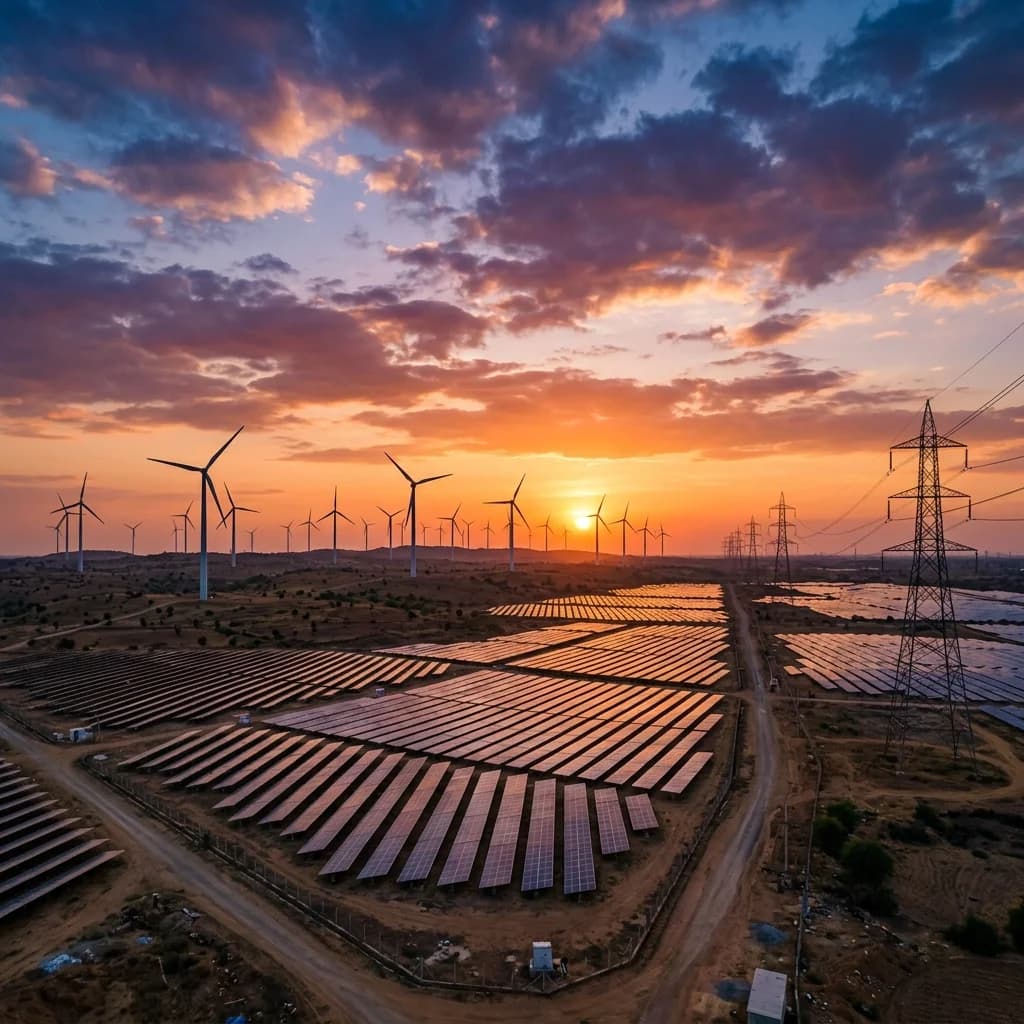
- Financing the Clean Energy Transition: The consolidated entity will serve as the primary institutional vehicle to fund India’s ambitious transition goals, including the deployment of 500 GW of non-fossil fuel capacity by 2030 and the expansion of the green hydrogen and battery storage markets.
- Corporate Restructuring Process: The merger is being executed under Sections 230–232 of the Companies Act, 2013. Following this milestone, both entities are finalizing the share exchange ratio under independent valuation, preceding formal approvals from boards, shareholders, and sectoral regulators.
4. Cultural and Spiritual Pulse: International Day of Yoga 2026 and June Festivals
As the monsoon begins its progression across the subcontinent, India is preparing for major cultural and wellness events that blend tradition with public participation.
"Yoga for Healthy Ageing"
- The 2026 Theme: The Union Ministry of Ayush, led by Minister Prataprao Jadhav, announced “Yoga for Healthy Ageing” as the official theme for the 12th International Day of Yoga on June 21, 2026. The theme highlights the therapeutic value of yoga in promoting active, self-reliant, and mentally resilient lives for the elderly.
- National Celebrations in Kolkata: The main national event will be hosted in Kolkata, West Bengal, where Prime Minister Modi will lead thousands of citizens in the Common Yoga Protocol, supported by synchronized mass demonstrations across all districts and Indian missions abroad.
Regional Spiritual Celebrations
- Hemis Festival in Ladakh (June 24–25): Preparations are underway at the historic Hemis Monastery in Ladakh for its annual festival commemorating the birth anniversary of Guru Padmasambhava. The two-day event will feature the traditional Cham (masked dance) performed by the monks, drawing thousands of domestic and international cultural tourists.
- Monsoon Festivals: East India is celebrating regional agricultural milestones, including the Raja Parba festival in Odisha, celebrating womanhood and earth fertility, and the commencement of the Ambubachi Mela at the Kamakhya Temple in Assam, which marks the annual menstruation cycle of the goddess.
Summary of Mid-June 2026 Key Highlights
| Development | Date | Location / Authority | Primary Impact |
|---|---|---|---|
| FCRA Amendment Bill, 2026 | Active June 2026 | Lok Sabha / Ministry of Home Affairs | Establishes Designated Authority and Administrator for asset vesting; personal liability for NGO functionaries. |
| 52nd G7 Summit Outreach | June 15–17, 2026 | Évian-les-Bains, France | PM Modi advocates for Global South interests, energy corridor safety, and trusted AI standards. |
| REC-PFC Financial Merger | Approved June 2026 | Ministry of Power / Presidential Assent | Merges REC into PFC to build a massive power sector financier; targets unified clean energy funding. |
| International Day of Yoga | June 21, 2026 | Kolkata / Ministry of Ayush | 12th annual event themed "Yoga for Healthy Ageing," led by PM Modi in Kolkata. |
| Hemis Festival Preparations | June 24–25, 2026 | Hemis Monastery, Ladakh | Spiritual celebration featuring sacred Cham dances; boosts regional cultural tourism. |
Conclusion: Balancing Compliance, Scale, and Legacy
India's mid-June 2026 updates reflect a coordinated effort to modernize regulatory oversight, scale up national infrastructure, and strengthen its diplomatic and cultural footprint. The proposed FCRA amendments represent a stricter stance on foreign funding transparency, aiming to safeguard national interests while sparking important debates on civic space. On the economic front, the merger of REC and PFC creates a financial titan capable of driving the country's green energy shift. Globally, India continues to amplify its voice at the G7 Summit, advocating for a stable and equitable world order. Tying these hard policy changes together is the nation’s cultural resilience, displayed in the upcoming mass celebrations of Yoga Day and regional festivals. Collectively, these actions demonstrate a mature economy balancing the demands of internal discipline, international integration, and civilizational identity.
Enjoyed this post?
Get our weekly digest delivered free.
Share this post:
📌 Disclosure: This post may contain affiliate links. If you make a purchase through our links, we may earn a commission at no extra cost to you. We only recommend products we believe in. See our Affiliate Disclosure.
Related Posts
PM Modi Consolidates Indonesia and Australia Ties as ISRO and Skyroot Propel Indian Space Innovation
PM Modi Consolidates Indonesia and Australia Ties as ISRO and Skyroot Propel Indian Space Innovation July 9, 2026, marks a pivotal moment for India as it reinforces its diplomatic and economic footpri…
Cosmoserve Space Announces Debris Removal Mission, MHA Designates 23 Terrorists Under UAPA, and UPI Transactions Grow 35% Year-on-Year
Cosmoserve Space Announces Debris Removal Mission, MHA Designates 23 Terrorists Under UAPA, and UPI Transactions Grow 35% Year-on-Year July 7, 2026, marks another day of pivotal advancements for In…
IITs Launch Joint Cybersecurity Degree, I&B Ministry Issues Telegram Piracy Ultimatum, and Guwahati Hosts BRICS Anti-Drug Summit
IITs Launch Joint Cybersecurity Degree, I&B Ministry Issues Telegram Piracy Ultimatum, and Guwahati Hosts BRICS Anti-Drug Summit July 6, 2026, showcases India's decisive strides in digital educatio…