India Hosts BRICS Security Summit, Unveils ₹1,000 Crore Deep-Tech Fund, and Forecasts $45 Billion Space Economy Leap
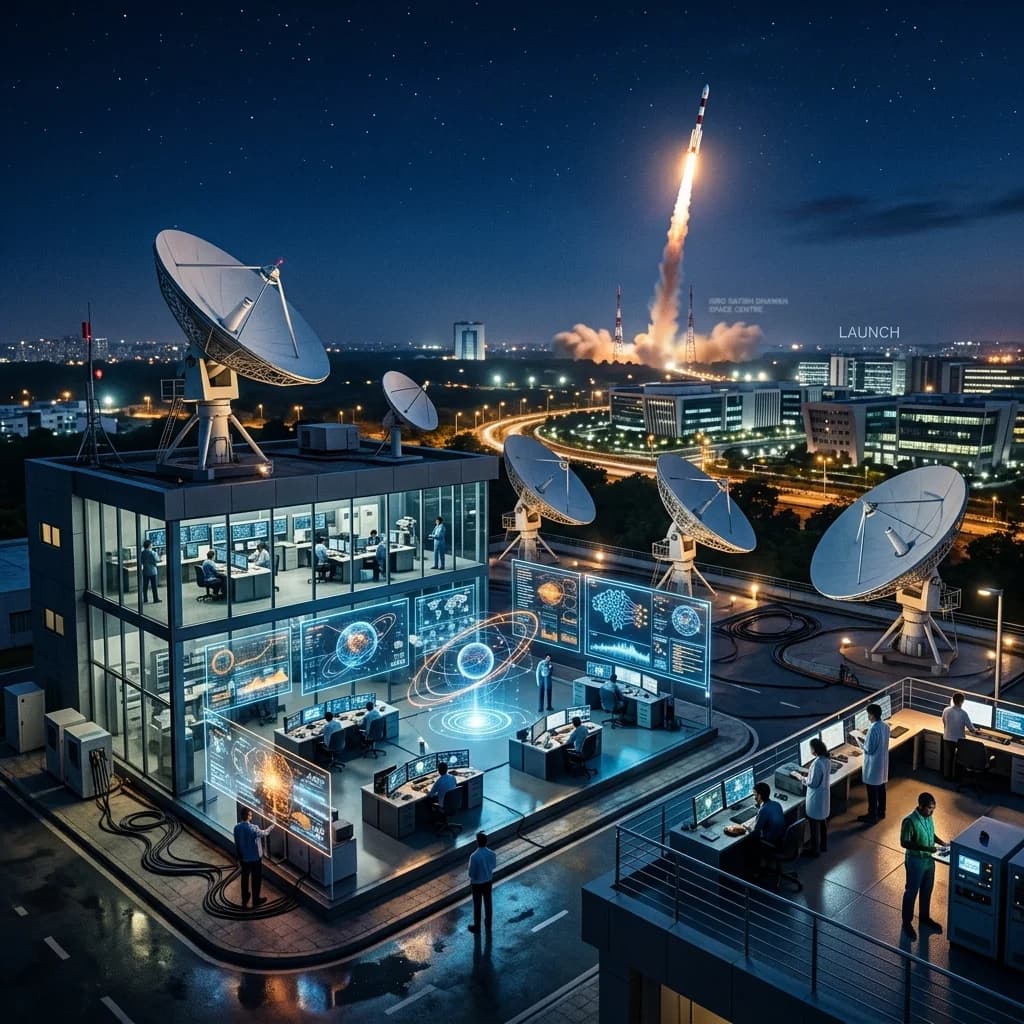
India Hosts BRICS Security Summit, Unveils ₹1,000 Crore Deep-Tech Fund, and Forecasts $45 Billion Space Economy Leap
India today positioned itself at the center of global strategic and technological discourse, showcasing major milestones in international security cooperation, academic-backed deep-tech funding, and commercial space exploration. From hosting the BRICS National Security Advisers meeting to launching a massive venture fund and opening up private-sector satellite ground stations, the nation continues its trajectory toward becoming a high-tech superpower. These developments demonstrate India’s dual focus on strengthening regional security alliances and fostering a self-reliant, innovation-driven domestic economy.
🇮🇳 Bridging Alliances: India Hosts the BRICS National Security Advisers Meeting in New Delhi
New Delhi today welcomed security chiefs and delegates for the two-day BRICS National Security Advisers (NSA) meeting, chaired by India's National Security Adviser, Ajit Doval. The high-profile summit serves as a crucial forum for member states—including Brazil, Russia, India, China, South Africa, and newly admitted members—to address pressing non-traditional security challenges, counter-terrorism strategies, and cybersecurity threats. In his opening address, NSA Doval emphasized the need for close cooperation in tackling transnational crime and the potential weaponization of emerging technologies.
The discussions focused heavily on enhancing intelligence-sharing mechanisms, securing maritime trade routes, and establishing common protocols for cybersecurity resilience. India’s leadership at the meeting underscores its growing diplomatic influence in the Global South, positioning the country as a crucial bridge between traditional alliances and emerging economies. The summit also provided a platform for bilateral discussions on the sidelines, allowing India to address specific regional security concerns, maintain maritime stability, and promote a peaceful, multipolar world order.
💻 Fueling Innovation: IIT Roorkee and Partners Launch ₹1,000 Crore Deep-Tech Endowment Fund
In a landmark initiative for the Indian startup ecosystem, IIT Roorkee, in collaboration with IvyCap Ventures and NuQuant, announced the launch of a ₹1,000 crore "Super Endowment Fund" under the "Bharat Innovates" banner. This fund is specifically designed to provide long-term, sustainable capital to early-stage startups working in deep-tech sectors, including artificial intelligence, space technology, defense systems, and biotechnology. By bridging the gap between academic research and commercialization, the initiative aims to build a robust pipeline of high-impact, IP-led technologies.
Historically, Indian deep-tech startups have struggled with long gestation periods and a lack of patient capital. The "Super Endowment Fund" addresses this challenge directly by leveraging the academic expertise, laboratory infrastructure, and research talent of IIT Roorkee alongside the venture capital experience of IvyCap and NuQuant. This model is expected to accelerate the transition of advanced scientific breakthroughs from university labs to commercial markets, reinforcing India’s self-reliance in critical technologies and positioning the nation as a global hub for deep-tech innovation.
🚀 Reaching for the Stars: India's Space Economy Projected to Touch $45 Billion by 2035
India’s space sector is undergoing a massive commercial transformation, with its space economy projected to grow five-fold and reach $40–45 billion over the next decade. Driven by sweeping policy reforms, the establishment of the Indian National Space Promotion and Authorization Centre (IN-SPACe), and NewSpace India Limited (NSIL), the ecosystem has seen a surge in private participation, with over 400 space startups now active in the country. A major milestone was achieved today as IN-SPACe granted approvals to private enterprises to operate satellite ground stations in Shadnagar, Telangana, decentralizing operations that were previously managed exclusively by ISRO.
This shift from an ISRO-centric model to a commercial space ecosystem is attracting significant interest from global investors. While ISRO continues to lead ambitious scientific missions—including its ongoing development of a long-duration lunar lander designed to survive for 200 days—private players are stepping in to manufacture satellites, launch vehicles, and provide downstream space data services. This combined public-private momentum not only lowers launch costs but also enhances India’s competitiveness in the global commercial launch market, marking a new era of space-tech leadership.
📌 The Bottom Line
- brics-nsa-summit: India hosted the BRICS NSA meeting in New Delhi, reinforcing its diplomatic leadership and strengthening intelligence cooperation against emerging security threats.
- deeptech-endowment-fund: IIT Roorkee and venture partners launched a ₹1,000 crore "Bharat Innovates" endowment fund to provide patient, long-term capital for deep-tech, space, and defense startups.
- space-economy-growth: Driven by private ground station approvals and commercial policy reforms, India’s space economy is projected to expand to $45 billion by 2035.
Enjoyed this post?
Get our weekly digest delivered free.
Share this post:
📌 Disclosure: This post may contain affiliate links. If you make a purchase through our links, we may earn a commission at no extra cost to you. We only recommend products we believe in. See our Affiliate Disclosure.
Related Posts
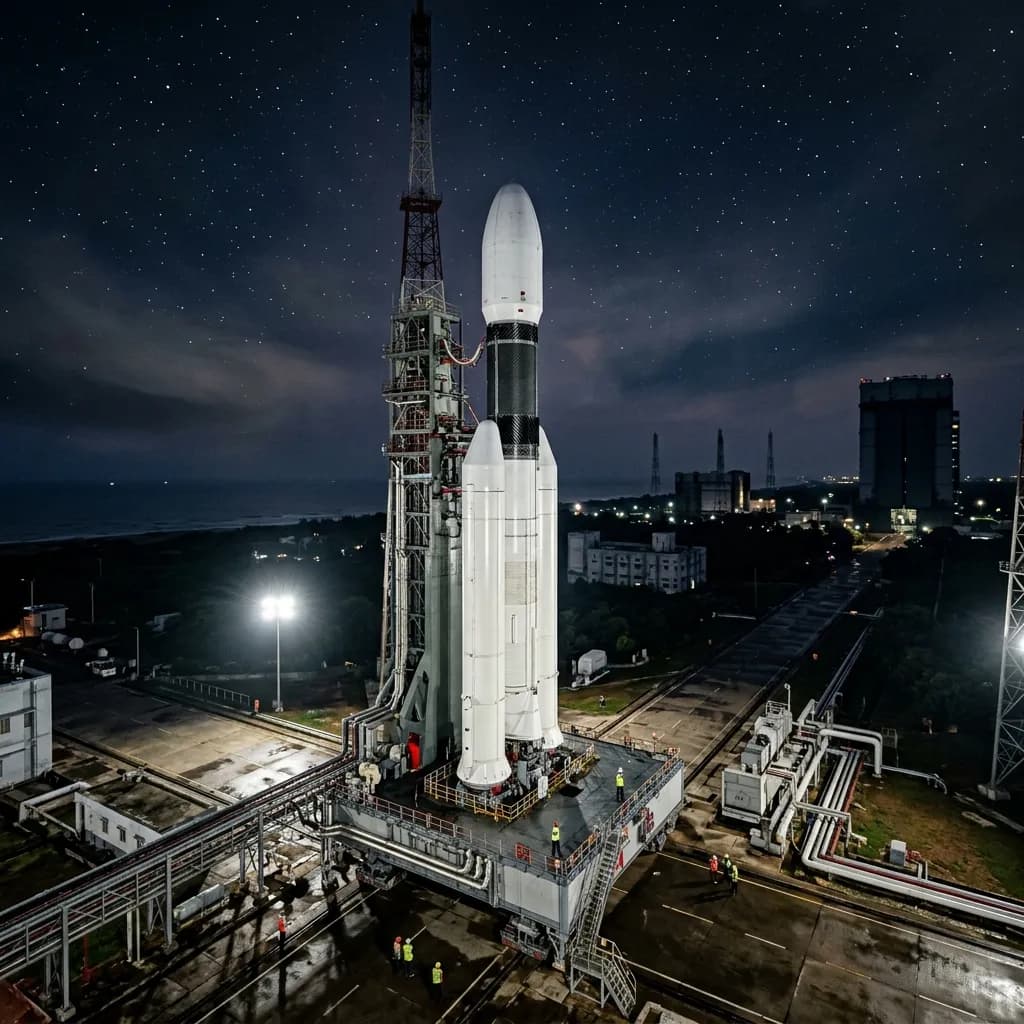
PM Modi Consolidates Indonesia and Australia Ties as ISRO and Skyroot Propel Indian Space Innovation
PM Modi Consolidates Indonesia and Australia Ties as ISRO and Skyroot Propel Indian Space Innovation July 9, 2026, marks a pivotal moment for India as it reinforces its diplomatic and economic footpri…
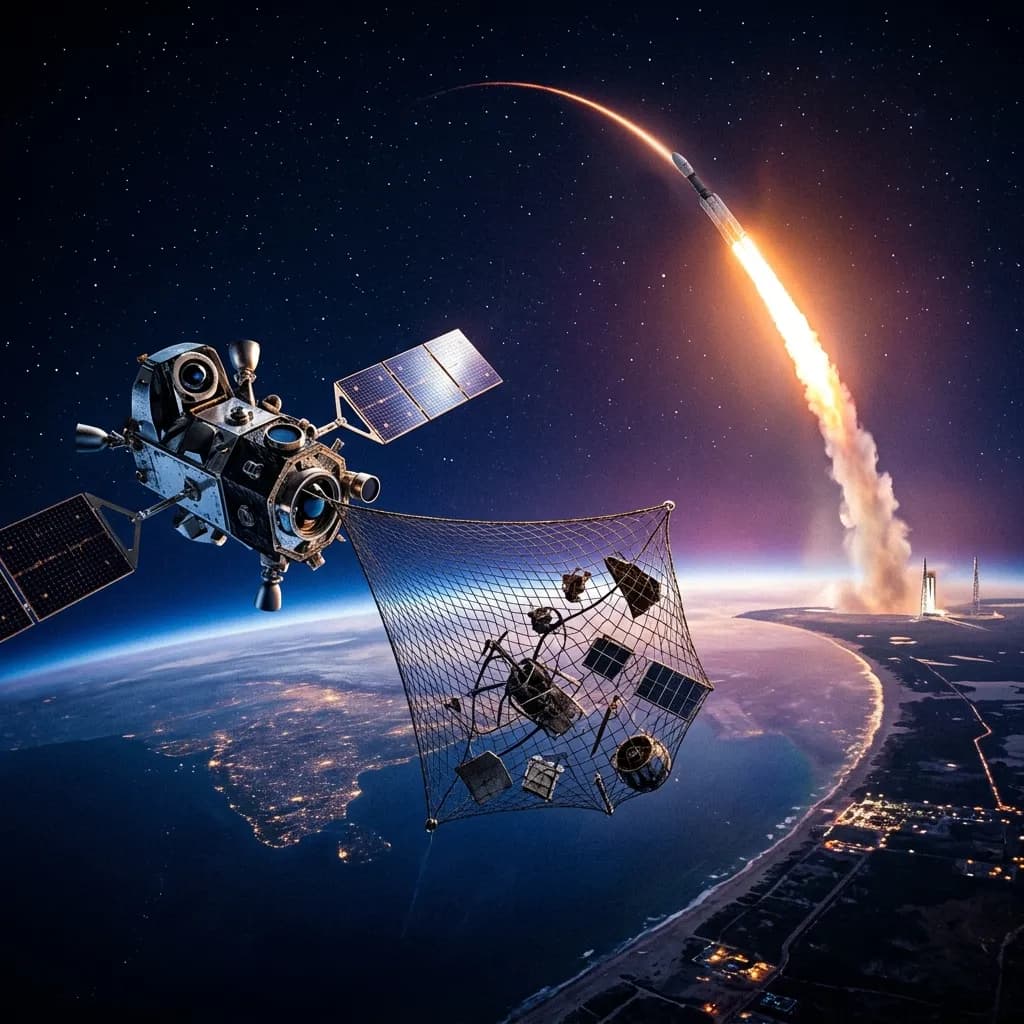
Cosmoserve Space Announces Debris Removal Mission, MHA Designates 23 Terrorists Under UAPA, and UPI Transactions Grow 35% Year-on-Year
Cosmoserve Space Announces Debris Removal Mission, MHA Designates 23 Terrorists Under UAPA, and UPI Transactions Grow 35% Year-on-Year July 7, 2026, marks another day of pivotal advancements for In…
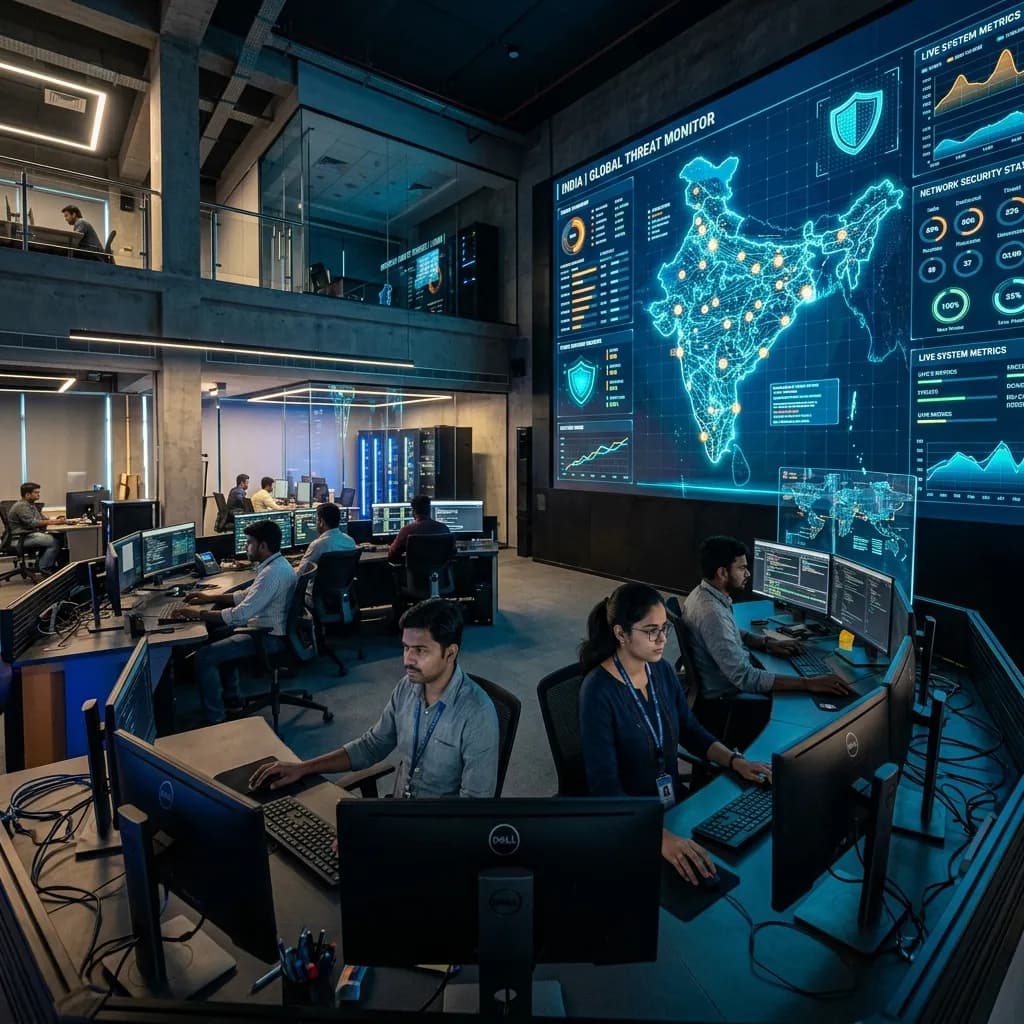
IITs Launch Joint Cybersecurity Degree, I&B Ministry Issues Telegram Piracy Ultimatum, and Guwahati Hosts BRICS Anti-Drug Summit
IITs Launch Joint Cybersecurity Degree, I&B Ministry Issues Telegram Piracy Ultimatum, and Guwahati Hosts BRICS Anti-Drug Summit July 6, 2026, showcases India's decisive strides in digital educatio…