General Dhiraj Seth Assumes Command, VB-G RAM G Replaces MGNREGA, and Tech Startups Clinch $7.2B in H1 2026
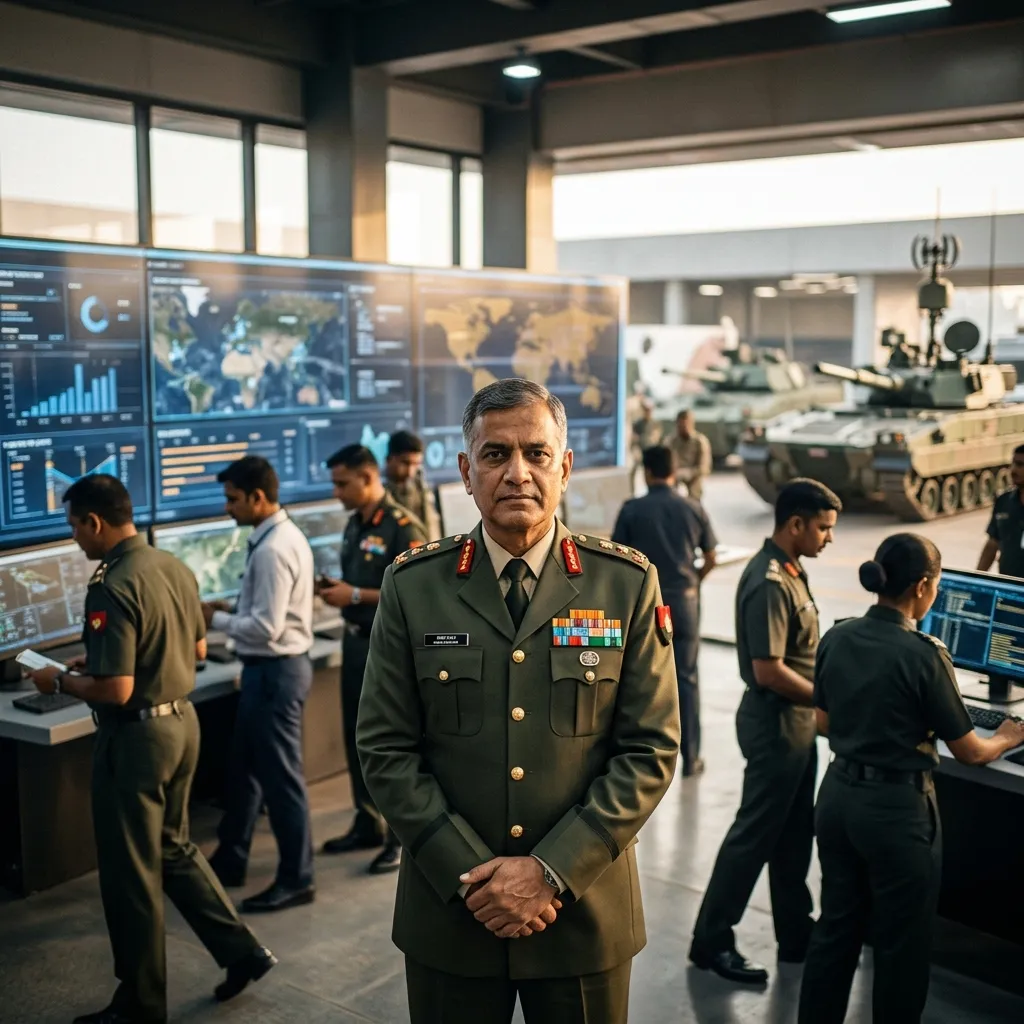
General Dhiraj Seth Assumes Command, VB-G RAM G Replaces MGNREGA, and Tech Startups Clinch $7.2B in H1 2026
July 1, 2026, marks a pivotal moment of transition for India across national security, social welfare, and the digital economy. From the appointment of a new Army Chief to the overhaul of the country's rural employment framework and a massive surge in venture capital funding, these developments highlight a nation actively modernization-focused, strategically pivoting, and economically resilient.
🇮🇳 General Dhiraj Seth Takes Charge as 31st Chief of the Army Staff
General Dhiraj Seth has officially assumed command as the 31st Chief of the Army Staff (COAS) of the Indian Army, succeeding General Upendra Dwivedi, who retired after an illustrious four-decade career. Previously serving as the Vice Chief, General Seth’s elevation brings experienced operational leadership to the helm of the 1.2-million-strong force at a critical time of modernization and structural integration.
Key Highlights of the Transition:
- Historical Precedent: General Seth is the first officer from the Armoured Corps to lead the Indian Army since 1997, bringing specialized expertise in mechanized warfare back to top leadership.
- Operational Pedigree: Having commanded both the Southern and South Western Commands, General Seth is among the few officers to have successfully led two separate operational theaters.
- Modernization Focus: His immediate agenda includes accelerating the rollout of the "Army Uniforms–2026" indigenization manual, integrating joint-service operations with the Navy and Air Force, and integrating advanced AI-driven systems into frontline operations.
Strategic Significance:
This transition happens amidst a delicate security environment along the Line of Actual Control (LAC) and western borders. General Seth’s expertise in armored maneuvers and theater-level operations is expected to guide the Indian Army's tactical pivot toward rapid deployment and high-tech defense systems, emphasizing deterrence and indigenization.
🌾 VB-G RAM G Replaces MGNREGA in Historic Rural Employment Reform
In a major legislative overhaul, the Viksit Bharat – Guarantee for Rozgar and Ajeevika Mission (Gramin) (VB-G RAM G) Act has officially come into effect, replacing the twenty-year-old Mahatma Gandhi National Rural Employment Guarantee Act (MGNREGA) of 2005. Backed by an initial rollout allocation of ₹95,692.31 crore, this reform introduces technology-driven transparency and expanded job security to rural India.
Key Highlights of the Scheme:
- Expanded Guarantee: The scheme increases the guaranteed wage employment for rural households from 100 days to 125 days per financial year.
- Agricultural Harmonization: To support the farming sector, state governments can now notify a 60-day aggregate pause in work during peak sowing and harvesting seasons, addressing agricultural labor shortages.
- Digital Checkpoints: The program mandates real-time digital monitoring, biometric authentication, and geo-referencing of assets to eliminate leakages and payment delays.
- Co-funding Model: The program follows a 60:40 central-state funding ratio, shifting to 90:10 for North-Eastern and Himalayan states.
Strategic Significance:
While MGNREGA was a vital safety net, it struggled with structural inefficiencies. By restructuring the system, the Indian government aims to create durable community assets, such as water security and disaster-resistant infrastructure, while aligning rural livelihoods with the long-term goal of a developed nation under the Viksit Bharat @2047 framework.
🚀 Indian Tech Startups Raise $7.2 Billion in H1 2026 Led by Deep-Tech and AI
India's startup ecosystem has registered a strong recovery, with tech startups securing $7.2 billion in funding during the first half of 2026. Representing a 12% year-on-year growth compared to H1 2025, the data points to renewed investor confidence and a significant shift in venture capital allocation.
Key Highlights of the Funding Surge:
- Strategic Shift: Investors are moving away from consumer internet platforms to focus on deep-tech, space-tech, and enterprise Artificial Intelligence.
- Flight to Quality: Although the total capital raised grew, the overall number of deals decreased, indicating larger round sizes and concentrated investments in high-potential, technologically advanced firms.
- Major Capital Inflow: Recent notable rounds include Gaja Capital leading a $17 million Series B for kitchenware brand The Indus Valley, and Bajaj Finserv leading a $10 million round for agentic AI startup Kapture CX.
Strategic Significance:
This capital influx signals the end of the prolonged "funding winter" that slowed India's startup ecosystem for several quarters. More importantly, the focus on deep-tech and AI infrastructure demonstrates that the Indian startup landscape is maturing, transitioning from basic service-aggregators to core technology providers capable of competing on the global stage.
📌 The Bottom Line
- army-chief-pivot: General Dhiraj Seth takes the helm as the 31st Army Chief, bringing mechanized warfare expertise to India’s ongoing defense modernization.
- vbg-ramg-rollout: The rollout of VB-G RAM G marks a modern, digital-first era for rural employment, guaranteeing 125 days of work while protecting agricultural seasons.
- startup-funding-surge: A $7.2 billion funding haul in H1 2026 marks a major VC recovery, driven by a strategic pivot toward deep-tech and AI innovations.
Enjoyed this post?
Get our weekly digest delivered free.
Share this post:
📌 Disclosure: This post may contain affiliate links. If you make a purchase through our links, we may earn a commission at no extra cost to you. We only recommend products we believe in. See our Affiliate Disclosure.
Related Posts
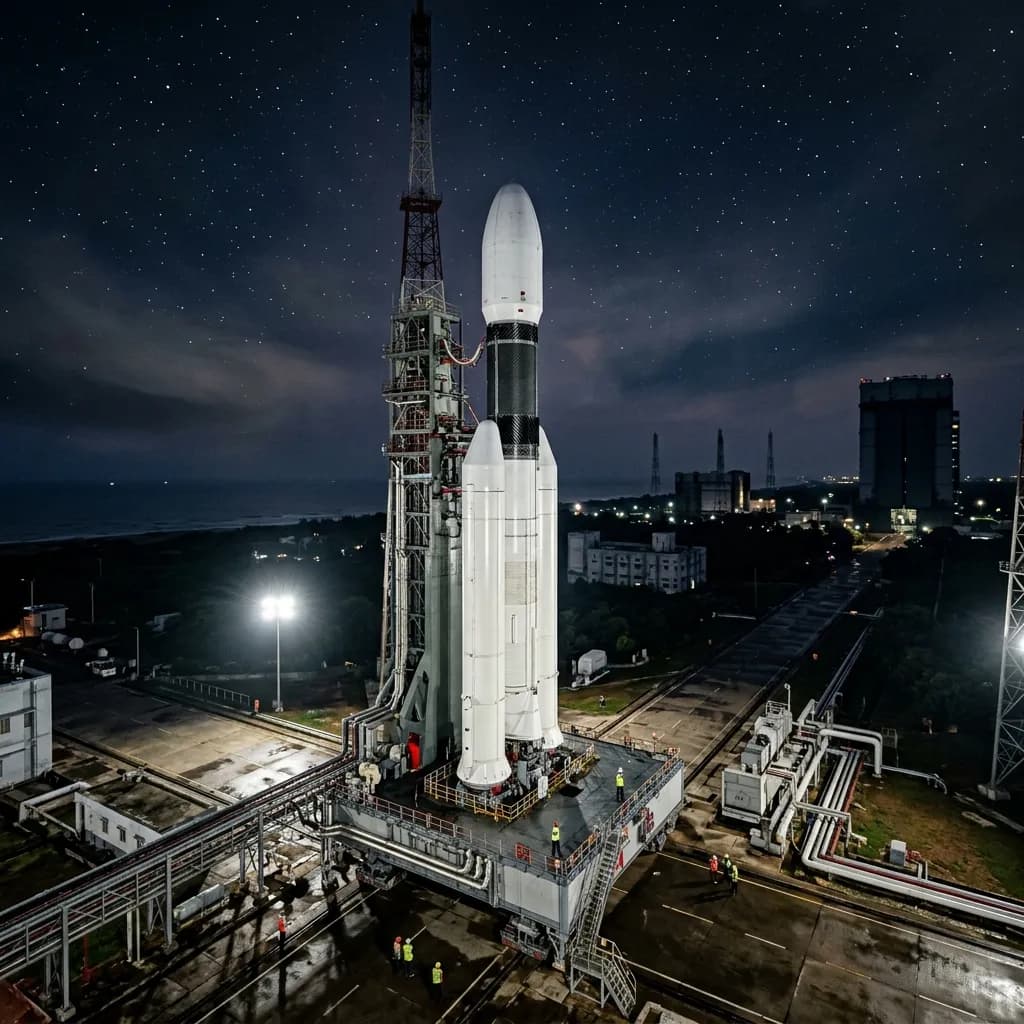
PM Modi Consolidates Indonesia and Australia Ties as ISRO and Skyroot Propel Indian Space Innovation
PM Modi Consolidates Indonesia and Australia Ties as ISRO and Skyroot Propel Indian Space Innovation July 9, 2026, marks a pivotal moment for India as it reinforces its diplomatic and economic footpri…
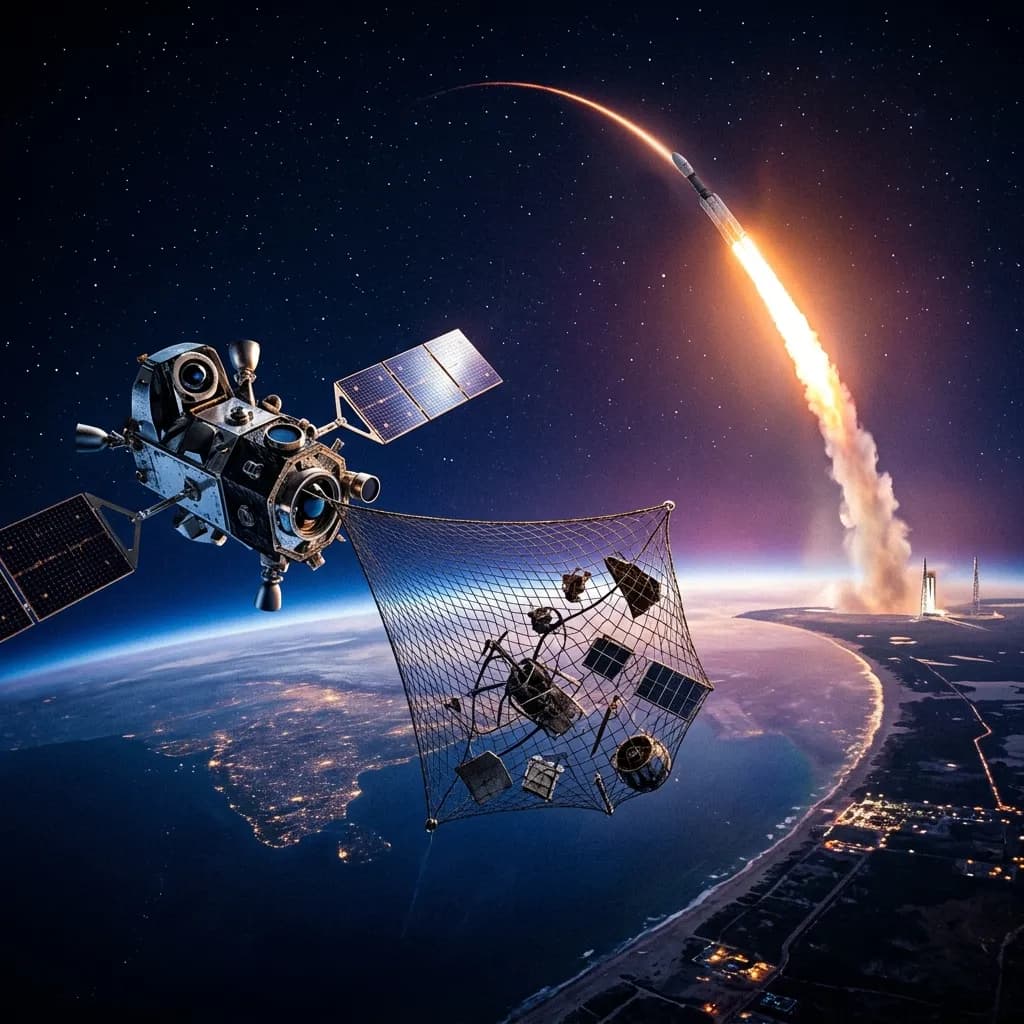
Cosmoserve Space Announces Debris Removal Mission, MHA Designates 23 Terrorists Under UAPA, and UPI Transactions Grow 35% Year-on-Year
Cosmoserve Space Announces Debris Removal Mission, MHA Designates 23 Terrorists Under UAPA, and UPI Transactions Grow 35% Year-on-Year July 7, 2026, marks another day of pivotal advancements for In…
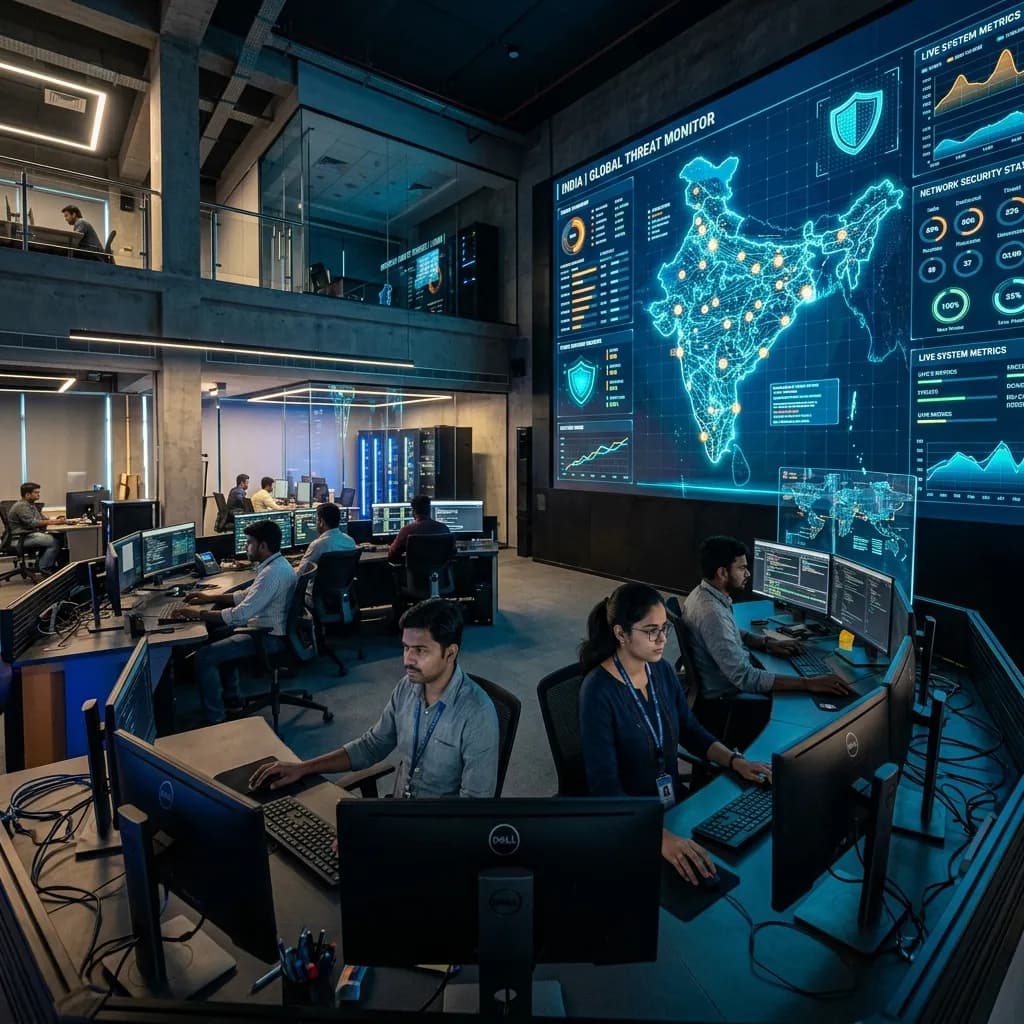
IITs Launch Joint Cybersecurity Degree, I&B Ministry Issues Telegram Piracy Ultimatum, and Guwahati Hosts BRICS Anti-Drug Summit
IITs Launch Joint Cybersecurity Degree, I&B Ministry Issues Telegram Piracy Ultimatum, and Guwahati Hosts BRICS Anti-Drug Summit July 6, 2026, showcases India's decisive strides in digital educatio…