US-Iran Switzerland Peace Roadmap, SCOTUS Gun Ban Ruling, and Federal Frontier AI Security Crackdown
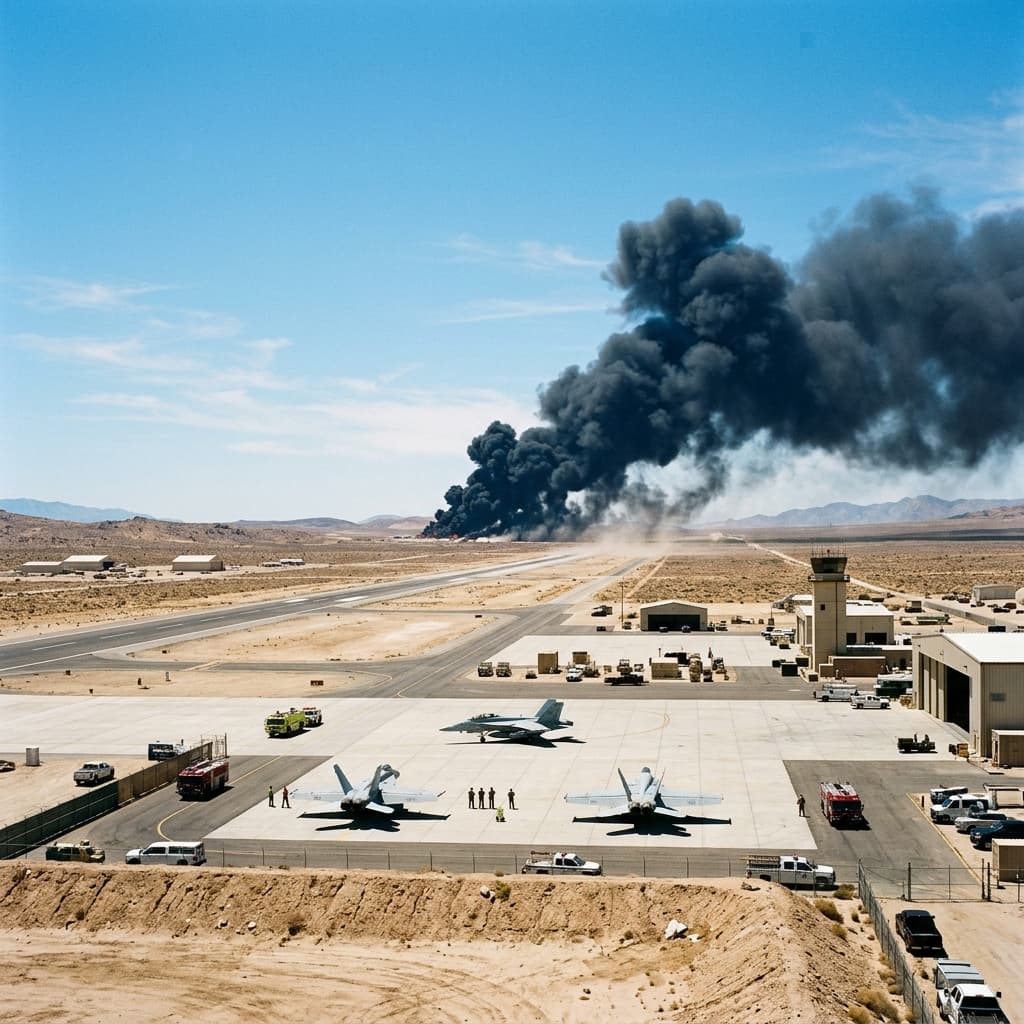
US-Iran Switzerland Peace Roadmap, SCOTUS Gun Ban Ruling, and Federal Frontier AI Security Crackdown
The final full week of June 2026 highlights a dynamic shift in American foreign policy, judicial precedent, and national security oversight of emerging technology. A breakthrough peace roadmap brokered in Switzerland aims to stabilize regional tensions in the Middle East, while a unanimous Supreme Court ruling reshapes gun rights under the Second Amendment, and federal departments move aggressively to secure unreleased frontier AI models.
🇺🇸 Geopolitics: U.S. and Iran Agree to 60-Day Peace Roadmap in Geneva
In a major diplomatic development, international mediators from Pakistan and Qatar announced that U.S. and Iranian delegations in Geneva, Switzerland, have agreed on a structured "roadmap" to negotiate a final, comprehensive peace agreement within the next 60 days. Led on the U.S. side by Vice President JD Vance, the talks represents a concerted effort to establish stable diplomatic communication channels to resolve ongoing Middle Eastern conflicts.
A core milestone of the new roadmap is the immediate establishment of a joint "de-confliction cell" involving the Lebanese government to monitor and enforce the cessation of military operations in the region. Furthermore, both countries have agreed to set up direct communication lines to maintain maritime security and prevent naval confrontations, ensuring safe and uninterrupted passage for commercial shipping through the strategic Strait of Hormuz.
However, the talks have been characterized by extreme volatility. As Vice President Vance signaled a desire to "turn over a new leaf," President Donald Trump concurrently issued stern warnings, publicly stating that Iran "won't have a country" if it attempts to close the Strait of Hormuz or if its proxies continue hostilities. This rhetoric prompted the Iranian delegation to briefly pause participation in protest before returning to the table. Despite the friction, technical committees are scheduled to continue negotiations throughout the week, focusing on sanctions relief and nuclear monitoring protocols.
graph TD
    A[U.S.-Iran Geneva Summit] --> B[60-Day Peace Roadmap]
    B --> C[Strait of Hormuz Hot-line]
    B --> D[Lebanon De-confliction Cell]
    C --> E[Safe Maritime Passage]
    D --> F[Cessation of Hostilities]
    style B fill:#e3f2fd,stroke:#1e88e5,stroke-width:2px
⚖️ Law: Supreme Court Unanimously Strikes Down Federal Gun Ban for Drug Users
The U.S. Supreme Court issued a major Second Amendment ruling in the case of United States v. Hemani (No. 24-1234), unanimously deciding 9-0 that the federal government cannot prosecute individuals under 18 U.S.C. § 922(g)(3)—which prohibits "unlawful users" of controlled substances from possessing firearms—under the specific circumstances of this case.
Writing for the Court, Justice Neil Gorsuch rejected the Justice Department's arguments that the ban was consistent with the nation's historical tradition of firearm regulation. The government had attempted to analogize the modern drug ban to historical laws disarming "habitual drunkards" or mentally ill individuals. However, the Court found these historical comparisons unpersuasive, holding that the government failed to establish a historical precedent for disarming citizens based solely on their status as drug users without proving active intoxication or dangerousness.
The ruling is expected to have sweeping implications for federal gun enforcement, particularly in states that have legalized cannabis, where millions of citizens previously faced federal criminal liability for possessing firearms.
[!NOTE] While United States v. Hemani marks a historic victory for gun-rights advocates, the Court's opinion is narrowly tailored, leaving open the authority of state and federal governments to regulate firearm possession for individuals who are actively intoxicated or pose an immediate, documented threat to public safety.
🛡️ Technology: Commerce Department Suspends Foreign Access to Frontier AI Models
On the technology front, the U.S. Department of Commerce took a significant national security action by ordering a leading American artificial intelligence developer to immediately suspend access for foreign nationals to two of its unreleased frontier AI models. The decision reflects growing concern within the federal government over the potential misuse of advanced computing systems by foreign adversaries.
The emergency directive was issued after intelligence and cybersecurity reviews identified substantial vulnerabilities. Specifically, investigators flagged critical "jailbreaking" risks, warning that foreign actors could bypass safety alignment protocols to extract dangerous capabilities. There were also concerns that the models' underlying neural weights could be exfiltrated via targeted cyberattacks.
This enforcement action coincides with a broader legislative push to regulate the artificial intelligence sector. Bipartisan representatives Jay Obernolte (R-Calif.) and Lori Trahan (D-Mass.) recently released a 269-page discussion draft of the Great American Artificial Intelligence Act of 2026. The bill proposes a unified federal framework for the governance of frontier AI models, aiming to establish standardized safety standards and preempt a fragmented patchwork of state-level regulations.
📌 The Bottom Line
- us-iran-roadmap: A 60-day diplomatic roadmap mediated by Pakistan and Qatar establishes hot-lines and de-confliction cells to resolve conflicts in Lebanon and the Strait of Hormuz.
- scotus-gun-ruling: In United States v. Hemani, the Supreme Court unanimously rules that the federal ban on firearm possession by unlawful drug users violates the Second Amendment.
- ai-security-crackdown: The Commerce Department halts foreign national access to unreleased frontier AI models amid heightened concern over cyber vulnerabilities and safety jailbreaks.
Enjoyed this post?
Get our weekly digest delivered free.
Share this post:
📌 Disclosure: This post may contain affiliate links. If you make a purchase through our links, we may earn a commission at no extra cost to you. We only recommend products we believe in. See our Affiliate Disclosure.
Related Posts
Fed Hawkish Shift Sparks Affordability Concerns, US Restricts Frontier AI, and Trump Seeks Syria Terror Delisting
Fed Hawkish Shift Sparks Affordability Concerns, US Restricts Frontier AI, and Trump Seeks Syria Terror Delisting The United States is navigating critical transitions across economic, technological, a…
US Strikes Iran After Ceasefire Collapses, Apple-Broadcom Unveil $30B Silicon Deal, and Deere Settles Right-to-Repair
US Strikes Iran After Ceasefire Collapses, Apple-Broadcom Unveil $30B Silicon Deal, and Deere Settles Right-to-Repair The United States faces a pivotal day marked by severe geopolitical escalation in …

US World Cup Defeat, Raman Sworn In at NIST, and Congressional Visit to Taiwan
US World Cup Defeat, Raman Sworn In at NIST, and Congressional Visit to Taiwan The United States has experienced a whirlwind 24 hours across sports, national technology policy, and international di…