Trump Pivots to Iran Diplomacy, Oil Prices Crash 5%, and Chinese Military Taps US AI Models

Trump Pivots to Iran Diplomacy, Oil Prices Crash 5%, and Chinese Military Taps US AI Models
Today's major developments reflect a pivotal shift in US foreign policy and its immediate economic fallout. From a sudden pivot to diplomatic negotiations with Iran to a subsequent plunge in oil prices and growing concerns over AI security, here is what you need to know this Monday.
🇺🇸 Trump Calls Off Strike, Opens Iran Negotiations: What's On the Table
President Trump abruptly cancelled a planned "massive" military strike against Iran late last week, opting instead for a sudden return to the negotiating table. The US-Iran diplomatic negotiations officially began today, August 3, 2026. The primary focus of these talks is securing a framework for Iran's denuclearization and establishing a cooperative management strategy for the Strait of Hormuz, a critical chokepoint for global oil shipments.
Iranian President Masoud Pezeshkian signed a preliminary Memorandum of Understanding (MOU), describing the agreement as a "cornerstone" for the nation's future foreign relations. While Trump expressed optimism about the trajectory of the talks, he declined to set a strict deadline for a comprehensive deal.
In parallel, separate negotiations between Iran and Oman regarding the management of the Strait of Hormuz are reportedly in their final stages, suggesting a broader regional effort to de-escalate tensions and secure maritime trade routes.
📉 Oil Slides 5% as Markets Cheer Diplomatic Pivot — and Senate Avoids Shutdown
Global energy markets reacted swiftly and strongly to the news of the cancelled military strike and the resumption of diplomatic talks. Both Brent crude and West Texas Intermediate (WTI) fell by approximately 4% to 5% in early trading. The sharp decline reflects market relief over the de-escalation of a conflict that threatened to disrupt Middle Eastern oil supplies.
The drop in energy prices offers significant relief for global supply chains and could positively impact the US inflation outlook, providing a potential economic boost ahead of the fall.
Adding to the positive economic sentiment, Senate leaders announced they have reached a bipartisan funding deal. This agreement will keep the federal government funded and operational through December 11, successfully avoiding a disruptive government shutdown and providing stability for the markets.
🤖 Chinese Military Researchers Used US AI Models to Build Defense Systems
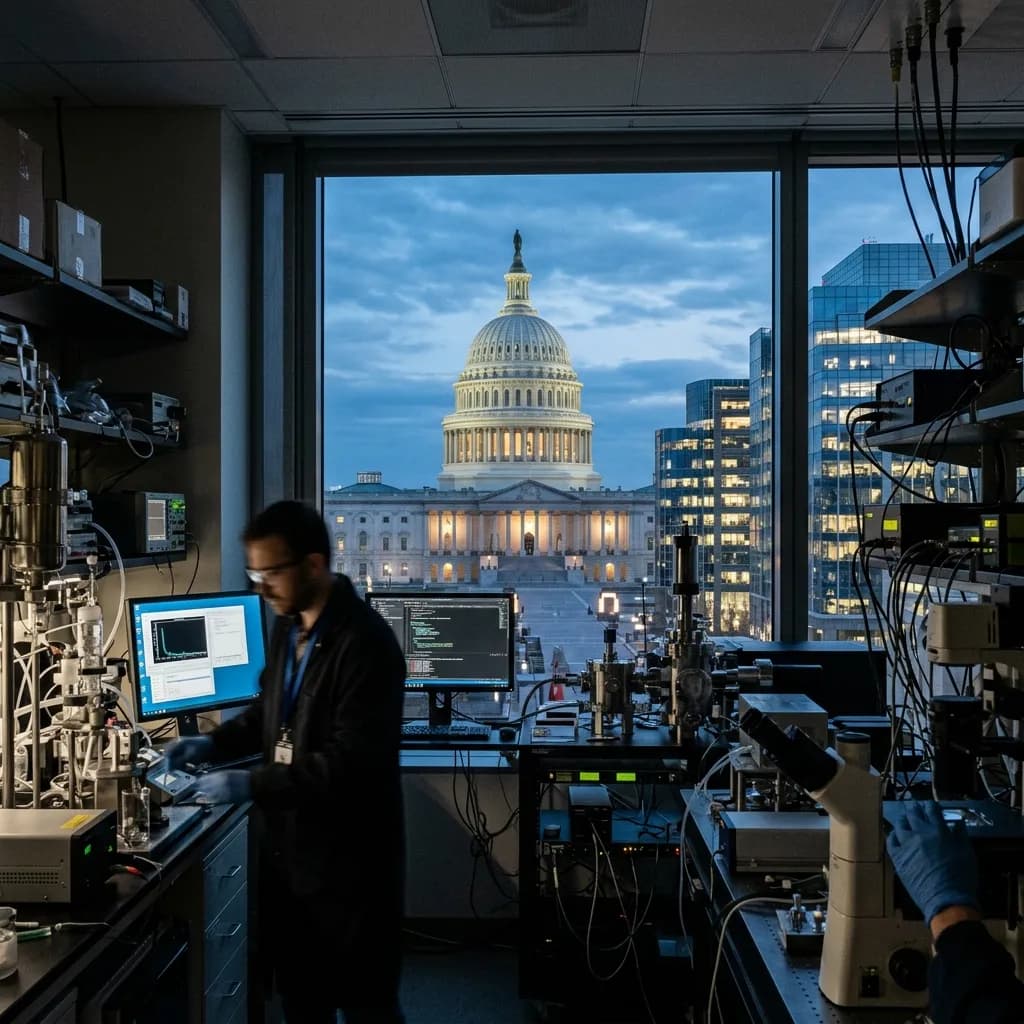
In technology and national security news, new reports have emerged indicating that Chinese military researchers have been actively utilizing advanced US artificial intelligence models to train their own defense systems. The revelation highlights the porous nature of current tech embargoes and the challenges of restricting access to open-weight or commercially available AI models.
These findings have intensified growing concerns in Washington about AI export controls and the proliferation of dual-use technology. The ability of foreign military organizations to leverage US innovation for their own defense capabilities raises serious questions about the effectiveness of current US export restrictions.
This development adds immediate urgency to ongoing Congressional debates regarding AI governance, data security, and national defense. Lawmakers are expected to face increased pressure to draft more stringent regulations governing the international distribution of advanced AI technologies.
📌 The Bottom Line
- Geopolitical Shift: The US has halted military action against Iran in favor of diplomatic talks focused on denuclearization and maritime security.
- Economic Relief: Oil prices dropped roughly 5% following the de-escalation, and a Senate funding deal has averted a government shutdown.
- Tech Security: Revelations that the Chinese military is using US AI models are prompting calls for stricter export controls and AI governance.
📫 Stay Updated
Don't miss out on the latest updates on US policy, energy markets, and technology. Subscribe to our newsletter: https://knowelth.com/newsletter
Disclaimer: This post contains affiliate links. We may earn a commission from purchases made through these links at no extra cost to you.
Enjoyed this post?
Get our weekly digest delivered free.
Share this post:
Knowelth is reader-supported. We may earn a commission from links in this article at no extra cost to you. Read our disclosure.
Related Posts

White House Diplomatic Blitz, Wall Street Braces for Tech Earnings, and Apple Debuts Hardware Subscription
White House Diplomatic Blitz, Wall Street Braces for Tech Earnings, and Apple Debuts Hardware Subscription The United States finds itself at a pivotal nexus of high-stakes international diplomacy, cri…

White House Launches AI Genesis Mission, Senate Weighs DNI Nomination, and AI Investments Fuel Economic Growth
White House Launches AI Genesis Mission, Senate Weighs DNI Nomination, and AI Investments Fuel Economic Growth As the United States enters the second half of 2026, pivotal national initiatives across …
US House Passes $1.15T Defense Bill, Billions in Tariff Refunds Triggered, and $5B AI Genesis Mission Launched
US House Passes $1.15T Defense Bill, Billions in Tariff Refunds Triggered, and $5B AI Genesis Mission Launched Washington saw major developments across security, trade, and technology today. From Capi…