U.S.-Iran Ceasefire Collapses Amid Persian Gulf Military Strikes
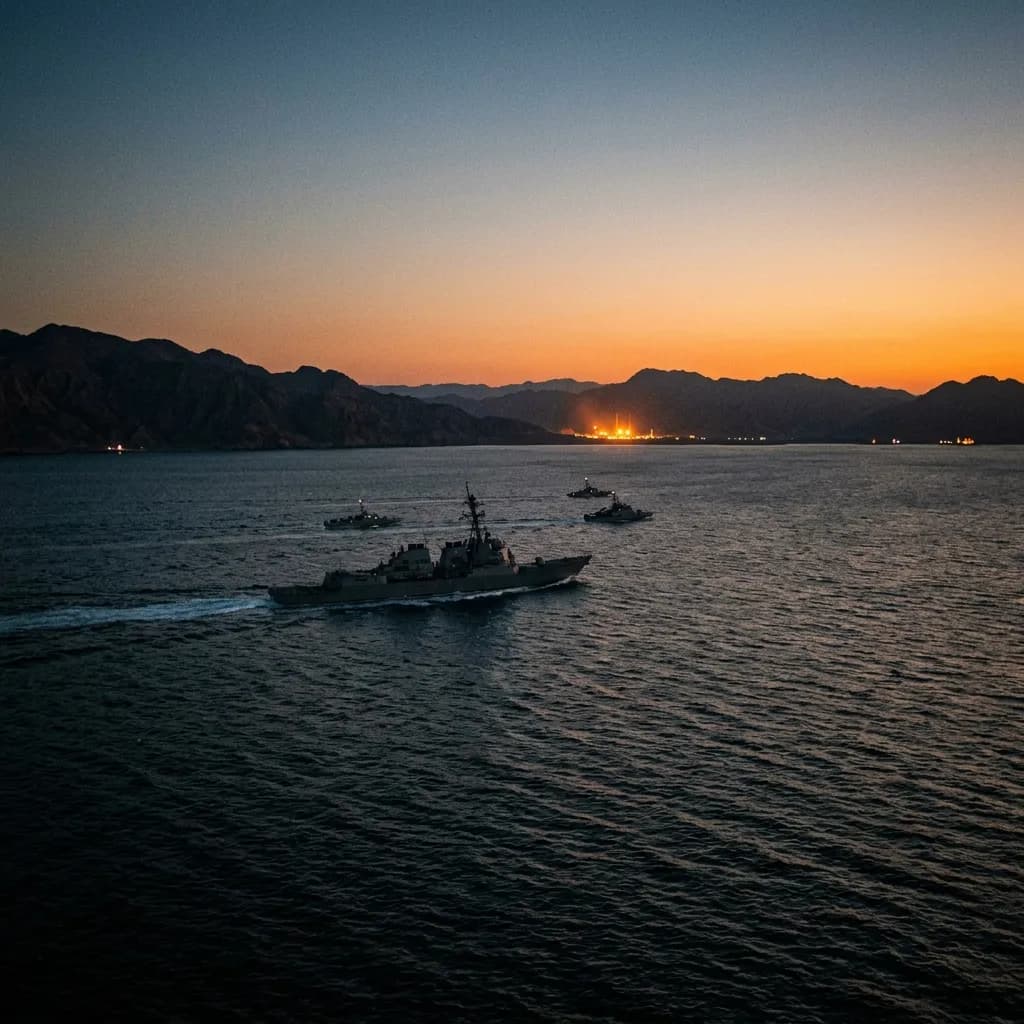
Breaking: U.S.-Iran Ceasefire Collapses Amid Persian Gulf Military Strikes
Last updated: 2026-07-08 22:30 IST
The fragile ceasefire between the United States and Iran has collapsed after a series of military clashes in the Persian Gulf, culminating in U.S. strikes on more than 80 Iranian targets and retaliatory Iranian missile strikes on U.S. bases in Bahrain and Kuwait. Speaking at a NATO summit in Ankara, Turkey, U.S. President Donald Trump declared the truce "over" and revoked oil export waivers that had been key to the June agreement. The escalation has sent global crude prices surging by approximately 5% as maritime security in the Strait of Hormuz deteriorates.
What Happened
The immediate escalation began when Iran targeted three commercial tankers passing through the Strait of Hormuz. In response to these actions, the United States military launched a wave of retaliatory airstrikes on more than 80 targets across Iran. According to U.S. defense officials, the strikes successfully hit coastal radar installations, air defense systems, and over 60 small boats belonging to the Islamic Revolutionary Guard Corps (IRGC).
Iran responded by launching a coordinated barrage of missiles and drones targeting U.S. military installations in neighboring Gulf countries. Sirens sounded and air defenses were activated in Bahrain, which hosts the U.S. Navy's Fifth Fleet, and Kuwait, targeting facilities including the Ali Al Salem Air Base. Local authorities in both countries reported that defense systems intercepted several incoming projectiles.
Following these events, U.S. President Donald Trump announced the formal termination of the ceasefire. The U.S. administration also revoked a key sanctions waiver that had allowed Iran to export oil and petrochemicals, effectively dismantling the June 17 memorandum of understanding that was meant to establish a 60-day window for negotiations.
Why It Matters
The collapse of the ceasefire marks a significant step backward in efforts to stabilize the Middle East following the death of Iranian Supreme Leader Ali Khamenei in late February 2026. The June agreement was intended to provide a diplomatic runway to negotiate long-term solutions for the Strait of Hormuz, Iran's nuclear program, and economic sanctions. With the ceasefire now dead, both nations are back on a direct path of military confrontation.
The resumption of hostilities has immediate economic consequences. Global oil markets reacted swiftly, with prices jumping 5% within hours of the news due to fears of protracted disruptions to shipping in the Strait of Hormuz, a critical transit chokepoint for global energy. Additionally, the involvement of Bahrain and Kuwait represents a widening of the conflict that threatens to draw in other Gulf partners.
Key Figures & Reactions
- U.S. President Donald Trump: Speaking from the NATO summit in Ankara, Trump stated: "The ceasefire is over. Further negotiations under the current terms are a waste of time."
- Iranian Military Spokesperson: Iranian state media released a statement defending the strikes as "legitimate retaliation" against U.S. aggression and warning neighboring states against allowing their territory to be used for U.S. military operations.
- International Maritime Organization (IMO): The IMO issued an urgent call for de-escalation, urging all parties to respect international law and protect innocent commercial shipping in the region.
- NATO Leadership: Representatives at the Ankara summit expressed deep concern over the rapid escalation, urging the U.S. and regional partners to avoid further actions that could lead to a wider conflict.
What to Watch Next
- Gulf Security Measures: Watch for increased naval deployments by the U.S. and its allies in the Strait of Hormuz to escort commercial vessels.
- Energy Market Reactions: Monitor whether OPEC+ or other oil-producing nations will increase output to stabilize surging oil prices.
- U.N. Security Council: Expected emergency sessions or diplomatic interventions from European and regional mediators attempting to establish a new diplomatic channel.
This is a developing story. Details may be updated as new information emerges.
Enjoyed this post?
Get our weekly digest delivered free.
Share this post:
📌 Disclosure: This post may contain affiliate links. If you make a purchase through our links, we may earn a commission at no extra cost to you. We only recommend products we believe in. See our Affiliate Disclosure.
Related Posts
U.S. Launches Major Night Strikes on 90 Targets in Iran as Ceasefire Declared Over
Breaking: U.S. Launches Major Night Strikes on 90 Targets in Iran as Ceasefire Declared Over Last updated: 2026-07-09 11:15 IST The United States military has launched a massive wave of airstrikes tar…
Breaking: US Launches Massive Strikes on 80 Iran Sites; Tehran Retaliates Against US Bases in Bahrain and Kuwait
Breaking: US Launches Massive Strikes on 80 Iran Sites; Tehran Retaliates Against US Bases in Bahrain and Kuwait Last updated: 2026-07-08 17:20 IST On July 8, 2026, the United States Central Command (…
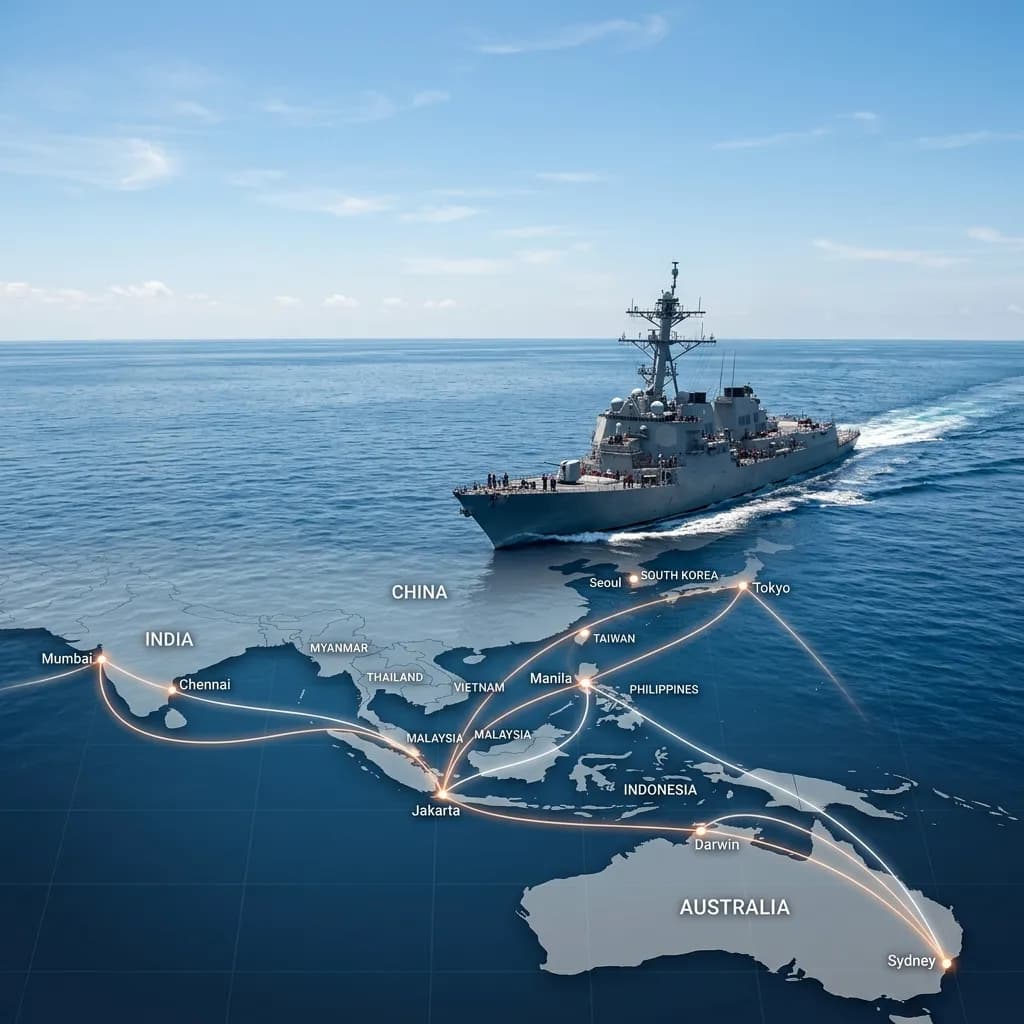
Iran Supreme Leader Funeral, PM Modi Indo-Pacific Tour, and Sudan Cholera Crisis
Iran Supreme Leader Funeral, PM Modi Indo-Pacific Tour, and Sudan Cholera Crisis The global landscape is undergoing significant shifts today, marked by critical political transitions in West Asia, …