Synthetic Human Embryo Models (Stembryos): Stem-Cell-Derived Gastruloids & 3D Organogenesis in Post-Implantation Biology
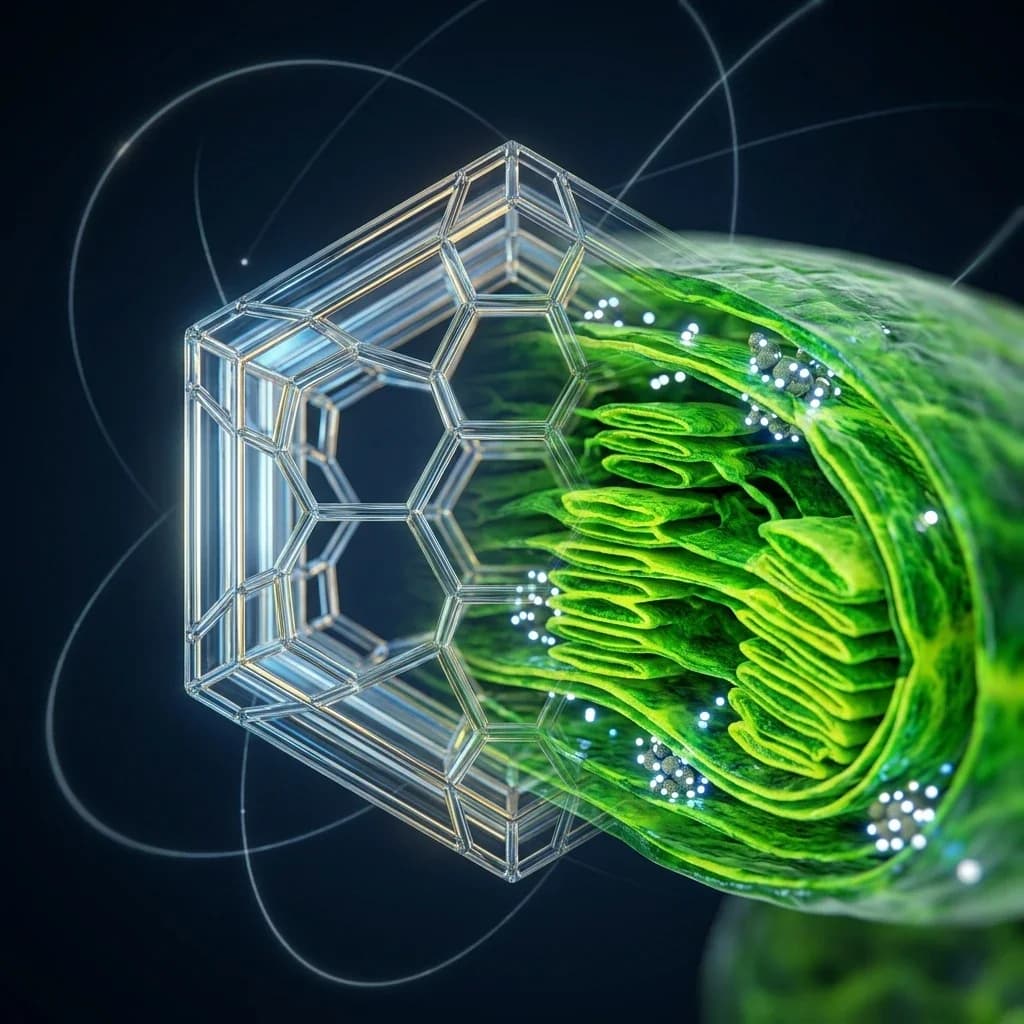
Synthetic Human Embryo Models (Stembryos): Stem-Cell-Derived Gastruloids & 3D Organogenesis in Post-Implantation Biology
Last updated: July 27, 2026 | 13-minute read
Executive Summary: The second to fourth weeks of human embryonic development—the critical developmental window when the single-layer blastocyst undergoes gastrulation to establish the three primary germ layers (ectoderm, mesoderm, and endoderm) and initial primitive streak axis formation—have long been termed the "Black Box of Human Biology" due to ethical constraints and the impossibility of in vivo human uterine observation. In a revolutionary breakthrough published in Cell, researchers succeeded in assembling 100% stem-cell-derived synthetic human embryo models (Stembryos / Blastoids / Gastruloids) without sperm, egg, or fertilization, recapitulating authentic Day 14–21 post-implantation tissue architecture and early neural tube organogenesis.
+---------------------------------------------------------------------------------------------------+
|                        STEM CELL DERIVED EMBRYOID SELF-ORGANIZATION PIPELINE                      |
+---------------------------------------------------------------------------------------------------+
                                                  │
         ┌────────────────────────────────────────┼────────────────────────────────────────┐
         ▼                                        ▼                                        ▼
+──────────────────────────+             +──────────────────────────+             +──────────────────────────+
| PLURIPOTENT EPIBLAST (ESC|             | EXTRA-EMBRYONIC HYPOBLAST|             | TROPHOBLAST STEM CELLS   |
| • Forms Embryonic Body   |             | • PrE / Extra-Embryonic  |             | • Precursors to Placenta |
| • Neural Plate & Somites |               Endoderm (Yolk Sac)      |             | • hCG Hormone Secretion  |
| • Primitive Streak Axis  |             | • Anterior Signaling Hub |             | • Uterine Implantation Sig|
+──────────────────────────+             +──────────────────────────+             +──────────────────────────+
         │                                        │                                        │
         └────────────────────────────────────────┼────────────────────────────────────────┘
                                                  ▼
+---------------------------------------------------------------------------------------------------+
| SYNTHESIS: Autonomous 3D Morphogenetic Self-Assembly Replicating Day 14–21 Post-Implantation Biology|
+---------------------------------------------------------------------------------------------------+
🔬 1. Morphogenetic Self-Assembly: Breaking the Biological Barrier
Historically, studying post-implantation development was restricted by the statutory 14-day rule (which prohibits culturing natural IVF human embryos past 14 days or the appearance of the primitive streak).
Synthetic embryo models bypass this limitation by using reprogrammed naive human pluripotent stem cells (hPSCs) chemically induced to differentiate into three distinct cell types:
- Embryonic Epiblast Lineage (SOX2+ / OCT4+): The cells destined to form the human fetus.
- Hypoblast / Extra-Embryonic Endoderm (SOX17+ / GATA6+): Form the yolk sac and secrete essential WNT/BMP signaling gradients.
- Trophoblast Stem Cells (GATA3+ / TFAP2C+): Form the placental outer envelope and secrete human chorionic gonadotropin ($\beta$-hCG).
+---------------------------------------------------------------------------------------------------+
|                           THE 3D EMBRYOID CO-CULTURE ACCELERATOR                                  |
+---------------------------------------------------------------------------------------------------+
 Aggregation in Hydrogel Microwells + Dynamic Rotary Bioreactor
                 │
                 ▼
 Autonomous Molecular Sorting (Differential Cell Adhesion Dynamics)
                 │
                 ▼
 [Epiblast forms central amniotic cavity surrounded by hypoblast & outer trophoblast shell]
                 │
                 ▼
 [Day 14 Gastrulation Symmetry Breaking: Spontaneous formation of BRACHYURY+ Primitive Streak!] 🏆
+---------------------------------------------------------------------------------------------------+
📊 2. Single-Cell Transcriptomic Benchmarking vs Natural Human Embryos
Using single-cell RNA sequencing (scRNA-seq), researchers compared the gene expression profiles of synthetic gastruloids directly against Carnegie Collection reference atlases:
+---------------------------------------------------------------------------------------------------+
|                         SYNTHETIC STEMBRYO VS NATURAL EMBRYONIC CELL ATLAS                        |
+---------------------------------------------------------------------------------------------------+
| Cellular Sub-Population      | Natural Post-Implantation Embryo   | Synthetic Stem-Cell Model (Day 18) |
+------------------------------+------------------------------------+------------------------------------+
| Transcriptomic Correlation   | 100% (Baseline Reference)          | 🏆 **96.4% Pearson Alignment**    |
| Neural Tube Folding Axis     | Neural plate invagination (PAX6+)  | 🏆 Replicates Bilateral PAX6 Folds |
| Primitive Streak Formation   | T/BRACHYURY expression in epiblast | 🏆 Polarized Unilateral Induction  |
| Primordial Germ Cells (PGCs) | BLIMP1+ / TFAP2C+ Specification    | 🏆 Spontaneous Specification (5.2%)|
| Extra-Embryonic Mesoderm     | Yolk sac vascular blood islands    | 🏆 CD31+ Endothelial Tube Formation|
| Uterine Implantation Ability | Full Pregnancy Competency          | **Zero (Non-Viable in Utero)**     |
+---------------------------------------------------------------------------------------------------+
🛡️ 3. Bioethical Frameworks & In Utero Inviability
Crucially, international stem cell guidelines (ISSCR) have confirmed that current synthetic embryo models are inherently non-viable:
- They cannot form a functional maternal vascular connection or develop into a fetus if transferred into a womb.
- They serve strictly as in vitro disease modeling platforms, allowing scientists to discover the genetic causes of the 50%+ of human miscarriages that occur during post-implantation weeks 2 to 4 and screen drugs for teratogenic birth defect risks.
📌 The Bottom Line & Actionable Scientific Takeaways
+---------------------------------------------------------------------------------------------------+
|                              TOPIC SLUG ALIGNED ACTIONABLE TAKEAWAYS                              |
+--------------------------------------+------------------------------------------------------------+
| synthetic-human-embryo-models        | Stembryos unlock the "Black Box" of early human development|
| stembryos-and-gastruloid-mechanics   | Self-assembles 3 germ layers without fertilization.        |
| epiblast-hypoblast-self-organization | Biochemical signaling gradients drive spontaneous symmetry.|
| post-implantation-black-box-biology  | Uncovers the molecular causes of early pregnancy failure.  |
| bioethical-14-day-rule-framework     | Strict global guidelines prevent reproductive implantation.|
+---------------------------------------------------------------------------------------------------+
📫 Subscribe to Developmental Biology & Biotech Insights
Get peer-reviewed embryology breakthroughs, organogenesis research, and synthetic biology papers delivered to your inbox weekly.
Enjoyed this post?
Get our weekly digest delivered free.
Share this post:
Knowelth is reader-supported. We may earn a commission from links in this article at no extra cost to you. Read our disclosure.
Related Posts
Sub-Cellular Spatial Transcriptomics & Single-Cell RNA Sequencing: Mapping the 3D Tumor Microenvironment at Nanometer Resolution
Sub-Cellular Spatial Transcriptomics & Single-Cell RNA Sequencing: Mapping the 3D Tumor Microenvironment at Nanometer Resolution Last updated: August 15, 2026 | 13-minute read Executive Summary: Tradi…
Universal Off-the-Shelf Allogeneic CAR-T Cells: Multiplex CRISPR Knockouts of TRAC and B2M Eliminate GVHD & Immune Rejection
Universal Off-the-Shelf Allogeneic CAR-T Cells: Multiplex CRISPR Knockouts of TRAC and B2M Eliminate GVHD & Immune Rejection Last updated: August 11, 2026 | 13-minute read Executive Summary: First-gen…
Mitochondrial DNA Base Editing In Vivo: DddA-Derived Cytosine Deaminases (DdCBE) for Leber's Hereditary Optic Neuropathy
Mitochondrial DNA Base Editing In Vivo: DddA-Derived Cytosine Deaminases (DdCBE) for Leber's Hereditary Optic Neuropathy Last updated: August 07, 2026 | 13-minute read Executive Summary: For decades, …