Top 10 Ayurvedic Herbs Every Indian Kitchen Should Have: Clinical Evidence, Dosha Balancing & Daily Protocols
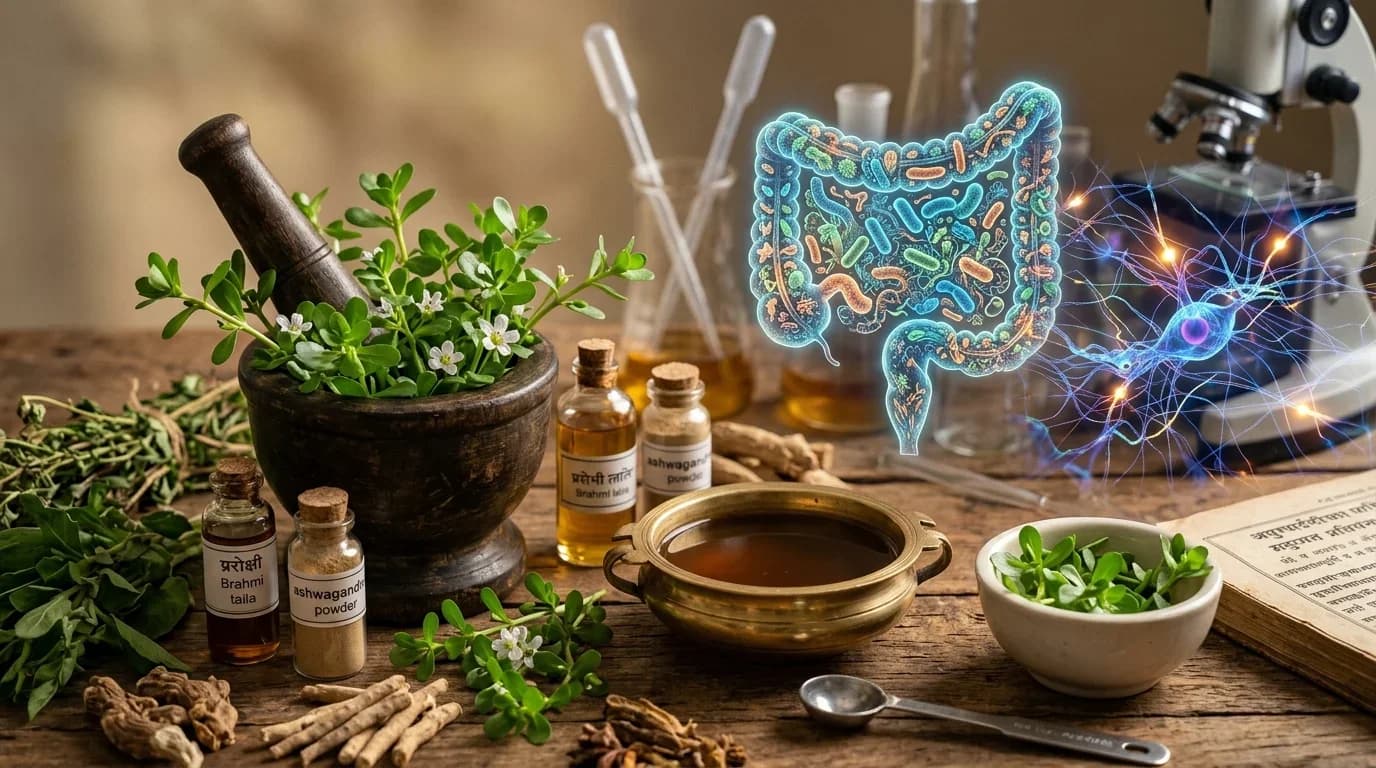
Top 10 Ayurvedic Herbs Every Indian Kitchen Should Have: Clinical Evidence, Dosha Balancing & Daily Protocols
Last updated: August 08, 2026 | 13-minute read
Quick Summary: In classical Ayurvedic medicine (Dravyaguna Vijnana), food and medicine are fundamentally inseparable (Ahara eva Aushadham). Everyday culinary spices contain potent pharmacological bioactives that regulate metabolic digestive fire (Agni), modulate inflammatory cytokines, and maintain cellular homeostasis across the three doshas (Vata, Pitta, Kapha). For overall daily vitality and cellular longevity, Turmeric (Curcumin with Piperine) and Ashwagandha (Withanolide Glycosides) form the essential foundation of preventive wellness.
+---------------------------------------------------------------------------------------------------+
|                        AYURVEDIC KITCHEN PHARMACOPEIA & BIOACTIVE ENGINE                          |
+---------------------------------------------------------------------------------------------------+
                                                  │
         ┌────────────────────────────────────────┼────────────────────────────────────────┐
         ▼                                        ▼                                        ▼
+──────────────────────────+             +──────────────────────────+             +──────────────────────────+
| IMMUNOMODULATORY & RASAYANA|           | METABOLIC & AGNI ACTIVATORS|           | ADAPTOGENIC & NEURO-CALM |
| • Turmeric (Curcuminoids)|             | • Ginger (Gingerols & Shoga|           | • Ashwagandha (Withanoli)|
| • Tulsi (Eugenol / Uvaol)|             | • Cumin (Cuminaldehyde)   |           | • Brahmi (Bacosides A/B) |
| • Amla (Polyphenolic Tann|             | • Black Pepper (Piperine) |           | • Cardamom (Terpinyl Ace)|
+──────────────────────────+             +──────────────────────────+             +──────────────────────────+
         │                                        │                                        │
         └────────────────────────────────────────┼────────────────────────────────────────┘
                                                  ▼
+---------------------------------------------------------------------------------------------------+
| SYNTHESIS: Synergistic Bioactive Bioavailability Enhancing Cellular Longevity & Immunity          |
+---------------------------------------------------------------------------------------------------+
🌿 How We Ranked & Selected These 10 Herbs
We evaluated traditional Ayurvedic botanical pharmacopeias alongside modern peer-reviewed pharmacological literature from PubMed and the AYUSH research database based on four strict criteria:
- Clinical Evidence & Bioactive Concentration (30%): Does the herb contain well-characterized, clinically validated active compounds with proven bioavailability mechanisms?
- Tridosha Balancing Versatility (25%): How safely can the herb be consumed on a daily basis by individuals with diverse metabolic constitutions (Vata, Pitta, Kapha)?
- Digestive Fire (Agni) Modulation (25%): Does the herb optimize nutrient absorption, clear toxic metabolic waste (Ama), and support gut microbiome diversity?
- Culinary Accessibility & Storage Stability (20%): Is the botanical easily integrated into daily Indian cooking and home remedies without requiring synthetic processing?
🏆 Top 10 Ayurvedic Herbs — Quick Scientific Matrix
| Rank | Herb (Sanskrit / Botanical) | Key Bioactive Compound | Primary Clinical Benefit | Dosha Action |
|---|---|---|---|---|
| 🥇 #1 | Haridra (Curcuma longa) | Curcuminoids (95% standard) | Systemic NF-kB & COX-2 Anti-inflammatory | Balances All 3 Doshas (Tridoshic) |
| 🥈 #2 | Ashwagandha (Withania somnifera) | Withanolide Glycosides | Cortisol Reduction & HPA Axis Balancing | Pacifies Vata & Kapha |
| 🥉 #3 | Shunthi (Zingiber officinale) | 6-Gingerol & Shogaols | Agni Kindling & Gastric Motility | Pacifies Vata & Kapha |
| #4 | Tulsi (Ocimum sanctum) | Eugenol & Ursolic Acid | Respiratory Mucosa & Immunomodulation | Pacifies Vata & Kapha |
| #5 | Amalaki (Phyllanthus emblica) | Emblicanin Tannins & Vit C | Superoxide Dismutase Antioxidant Defense | Balances All 3 Doshas (Pitta Focus) |
| #6 | Maricha (Piper nigrum) | Piperine Alkaloid | 2,000% Bioavailability Enhancer (Yogavahi) | Pacifies Vata & Kapha |
| #7 | Jeeraka (Cuminum cyminum) | Cuminaldehyde & Terpenes | Bile Acid Secretion & Microbiome Balance | Pacifies Vata & Kapha |
| #8 | Brahmi (Bacopa monnieri) | Bacosides A and B | Synaptic Transmission & BDNF Elevation | Pacifies Pitta & Vata |
| #9 | Ela (Elettaria cardamomum) | 1,8-Cineole & Terpinyl Acetate | Gastric Acid Neutralization & Oral Health | Pacifies Pitta & Vata |
| #10 | Dalchini (Cinnamomum verum) | Cinnamaldehyde & Polyphenols | Insulin Receptor Sensitivity & Glucose Reg. | Pacifies Vata & Kapha |
🥇 #1: Haridra / Turmeric (Curcuma longa)
Why It's #1:
Turmeric is the crowned sovereign of the Ayurvedic spice box. Beyond its golden culinary pigment, curcuminoids act as powerful natural inhibitors of the nuclear factor kappa-light-chain-enhancer of activated B cells (NF-kB) pathway, effectively suppressing chronic inflammatory signaling across the vascular, joint, and intestinal endothelial systems.
+---------------------------------------------------------------------------------------------------+
|                        CURCUMIN & PIPERINE BIOAVAILABILITY TRANSMISSION                           |
+---------------------------------------------------------------------------------------------------+
 Raw Curcumin Ingestion ──► Rapid Hepatic Glucuronidation (Only ~1% Systemic Blood Absorption)
                                                │
                                                ▼
 Addition of 1% Black Pepper (Piperine) ──► Inhibits Hepatic UDP-Glucuronosyltransferase Enzyme
                                                │
                                                ▼
 [2,000% Surge in Serum Free Curcumin Bioavailability Across Cellular Endothelium]
+---------------------------------------------------------------------------------------------------+
Daily Protocol:
Consume 1/2 teaspoon of organic turmeric powder dissolved in warm A2 cow's milk or almond milk with a pinch of freshly ground black pepper and 1/4 teaspoon of pure cow ghee (Golden Milk / Haldi Doodh) 30 minutes before bedtime.
🥈 #2: Ashwagandha (Withania somnifera)
Why It's #2:
Known as "Indian Ginseng," Ashwagandha is the premier Rasayana (rejuvenative) herb in Ayurveda. Clinical double-blind placebo-controlled trials have demonstrated that withanolides modulate the hypothalamic-pituitary-adrenal (HPA) axis, reducing serum cortisol levels by up to 30%, improving sleep architecture, and enhancing VO2 max in physically active adults.
Daily Protocol:
Mix 1/2 teaspoon (approx. 3 grams) of pure organic Ashwagandha root powder in warm water or milk sweetened with raw unprocessed honey (or jaggery) after dinner.
🥉 #3: Shunthi / Dry Ginger (Zingiber officinale)
Why It's #3:
In classical texts, ginger is hailed as Vishwabheshaja (the universal medicine). Its active constituents—gingerols and shogaols—accelerate gastric emptying, stimulate bile acid synthesis, and alleviate joint stiffness through potent prostaglandin inhibition.
Daily Protocol:
Sip on fresh ginger-infused warm water (crushed fresh ginger boiled in 500ml water reduced to half) with a drop of lemon juice 15 minutes before heavy meals to ignite digestive Agni.
#4–#10: Complete Ranked Breakdown
#4: Tulsi / Holy Basil (Ocimum sanctum)
The "Queen of Herbs." Rich in eugenol, carvacrol, and ursolic acid, Tulsi clears excess respiratory phlegm (Kledaka Kapha), protects pulmonary alveoli against urban environmental pollutants, and stabilizes blood pressure through adaptogenic vascular relaxation.
#5: Amalaki / Indian Gooseberry (Phyllanthus emblica)
The primary ingredient in Chyawanprash. Unlike synthetic ascorbic acid, Amla contains natural heat-stable emblicanin tannins that maintain potent antioxidant efficacy even when cooked. Pacifies aggravated Pitta, stimulates collagen synthesis, and supports hepatic liver detoxification.
#6: Maricha / Black Pepper (Piper nigrum)
The universal bioavailability booster (Yogavahi). Piperine stimulates pancreatic digestive enzymes while temporarily modifying intestinal epithelial brush-border permeability, enabling enhanced micronutrient absorption across the intestinal wall.
#7: Jeeraka / Cumin Seeds (Cuminum cyminum)
A master carminative spice. Cuminaldehyde stimulates salivary amylase and gastric lipase secretion, eliminating abdominal bloating, gas, and sluggish post-meal heaviness while supporting healthy gut microbiota colonies (Bifidobacterium).
#8: Brahmi (Bacopa monnieri)
The definitive Medhya Rasayana (nootropic brain tonic). Bacosides facilitate synaptic repair, increase cerebral blood flow, and stimulate brain-derived neurotrophic factor (BDNF), enhancing memory consolidation and reducing mental fatigue.
#9: Ela / Green Cardamom (Elettaria cardamomum)
The cooling aromatic digestif. Cardamom’s essential oils (1,8-cineole and terpinyl acetate) soothe gastric mucosal hyperacidity, neutralize acidic food residues, and promote healthy oral microbiome ecology.
#10: Dalchini / Ceylon Cinnamon (Cinnamomum verum)
A powerful metabolic insulin sensitizer. Cinnamaldehyde activates cellular glucose transporter-4 (GLUT-4) translocation, dampening postprandial glucose spikes and improving lipid metabolism.
❓ Frequently Asked Questions (FAQs)
Q: What is the difference between Cassia Cinnamon and true Ceylon Cinnamon?
A: Common supermarket cinnamon is often Cassia, which contains high levels of coumarin (a compound that can cause liver toxicity in high doses). Always ensure your kitchen uses true Ceylon Cinnamon (Cinnamomum verum), which contains negligible coumarin and is safe for daily consumption.
Q: Can these herbs replace prescription medications?
A: No. Ayurvedic herbs are dietary functional foods and preventive botanical interventions designed to support metabolic balance and long-term vitality. They should complement a balanced lifestyle and not replace medical treatments prescribed by a licensed healthcare physician.
📌 The Bottom Line & Actionable Kitchen Protocol
+---------------------------------------------------------------------------------------------------+
|                              TOPIC SLUG ALIGNED ACTIONABLE TAKEAWAYS                              |
+---------------------------------------------------------------------------------------------------+
| Topic Slug                     | Core Actionable Ayurvedic Kitchen Protocol                       |
+--------------------------------+------------------------------------------------------------------+
| top-ayurvedic-herbs            | Keep all 10 herbs in airtight glass containers away from sunlight|
| culinary-medicinal-spices      | Always pair Turmeric with Black Pepper and healthy ghee fat.     |
| clinical-evidence-bioactives   | Use standardized whole-root/seed powders to maximize active bioac|
| tridosha-balancing-protocols   | Tailor herb use: Cooling herbs for Pitta, Warming herbs for Vata |
| holistic-preventive-health     | Consistency is key: small daily culinary pinches beat heavy doses|
+---------------------------------------------------------------------------------------------------+
📫 Subscribe to Ayurvedic Wellness Insights
Get clinical herbal research, dosha-specific seasonal nutrition guides, and traditional dinacharya protocols delivered directly to your inbox every week.
Subscribe to Knowelth Free Newsletter →
Disclosure: This post contains affiliate links. If you purchase organic herbs or wellness products through our links, Knowelth earns a small commission at no additional cost to you. Always consult your doctor before beginning new botanical supplements.
Enjoyed this post?
Get our weekly digest delivered free.
Share this post:
Knowelth is reader-supported. We may earn a commission from links in this article at no extra cost to you. Read our disclosure.
Related Posts

10 AI Tools That Will 10x Your Productivity in 2026: Agentic Workflows, Code Synthesis & Research Automation
10 AI Tools That Will 10x Your Productivity in 2026: Agentic Workflows, Code Synthesis & Research Automation Last updated: August 11, 2026 | 13-minute read Quick Summary: In 2026, artificial intellige…

15 Passive Income Ideas That Actually Work in India (2026): Capital-Backed, Digital & Real Estate Streams
15 Passive Income Ideas That Actually Work in India (2026): Capital-Backed, Digital & Real Estate Streams Last updated: August 05, 2026 | 14-minute read Quick Summary: Genuine passive income in India …

Top 10 Personal Finance Apps for Indians in 2026: Budgeting, Direct Mutual Funds & Portfolio Tracking — Ranked & Reviewed
Top 10 Personal Finance Apps for Indians in 2026: Budgeting, Direct Mutual Funds & Portfolio Tracking — Ranked & Reviewed Last updated: August 02, 2026 | 12-minute read Quick Summary: Managing persona…