ITC Business Model: Cigarettes, FMCG & Demerger
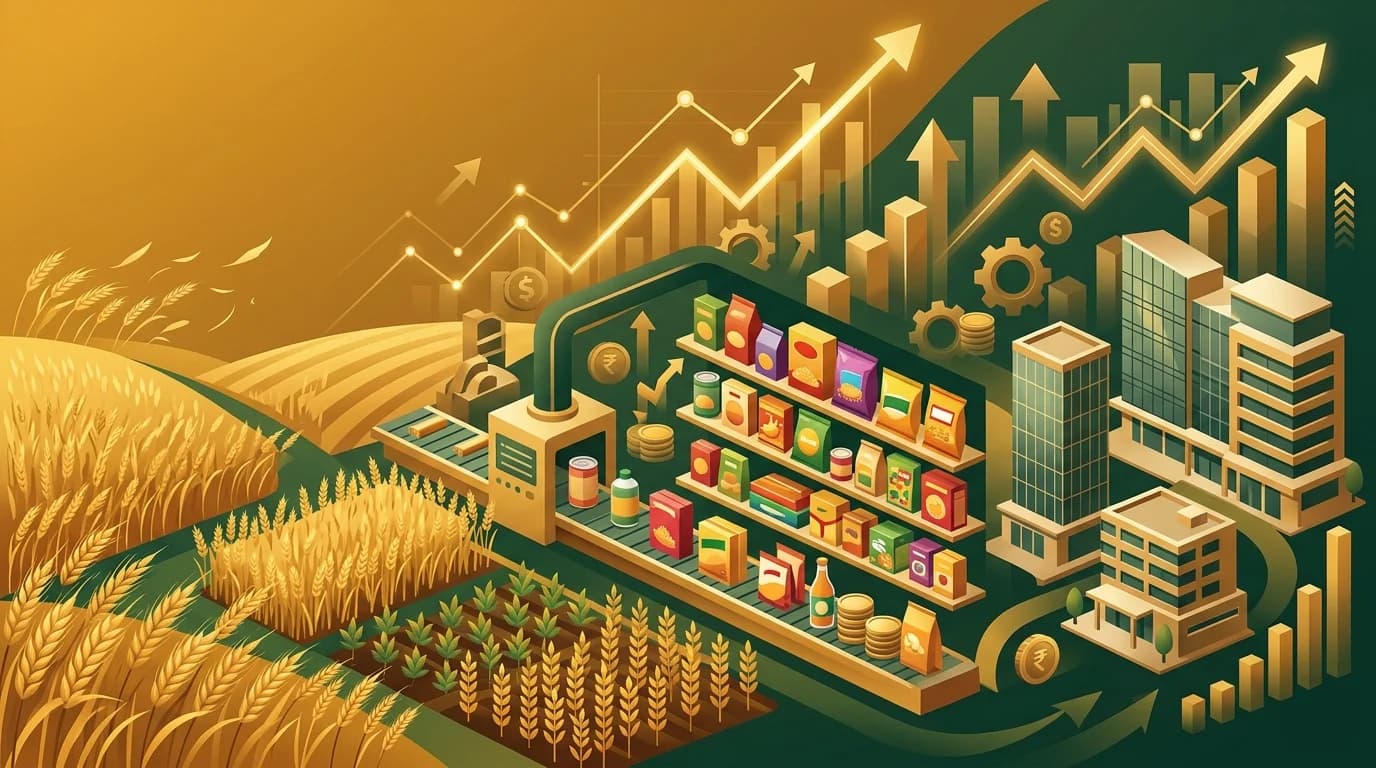
ITC Business Model: The Cigarette Cash Machine, FMCG Scale & The Hotels Demerger
Quick Summary: For decades, Indian retail investors debated whether ITC Limited was an unassailable cash machine or a capital-misallocating conglomerate. Operating a near-monopoly in legal cigarettes with over 78% volume market share and generating astonishing 60%+ EBIT margins, ITC produces an ocean of surplus cash. Under Chairman Sanjiv Puri, ITC has executed one of the most remarkable strategic pivots in corporate India: aggressively channeling cigarette cash flows into a multi-billion-dollar non-cigarette consumer empire (Aashirvaad, Sunfeast, Bingo, Yippee) while demerging its capital-heavy luxury hotels arm. The result is a diversified FMCG powerhouse generating over 38% ROCE with zero net debt.
The Inelastic Pricing Power Moat: Cigarettes exhibit near-zero price elasticity of demand. When the Indian government raises GST or National Calamity Contingent Duty (NCCD) by 5% to 8%, ITC raises retail pack prices within 48 hours without suffering volume destruction. This extraordinary pricing power guarantees that inflation is 100% passed through to consumers.
+---------------------------------------------------------------------------------------------------+
|                        ITC RE-INVESTMENT & CASH ALLOCATION FLYWHEEL                               |
+---------------------------------------------------------------------------------------------------+
                                                  │
         ┌────────────────────────────────────────┼────────────────────────────────────────┐
         ▼                                        ▼                                        ▼
+──────────────────────────+             +──────────────────────────+             +──────────────────────────+
| CIGARETTE CASH ENGINE    |             | FMCG CONSUMER BRANDS     |             | AGRI-BUSINESS & PAPER    |
| • 78%+ Market Share      |             | • Aashirvaad (₹7,500Cr+) |             | • e-Choupal Rural Sourcing|
| • 62%+ Operating Margin  |             | • Sunfeast, Bingo, Yippee|             | • Lowest Raw Material Cost|
| • ₹18,000+ Cr Annual EBIT|             | • Reaching Scale & Breakeven|           | • Sustainable Packaging  |
+──────────────────────────+             +──────────────────────────+             +──────────────────────────+
         │                                        │                                        │
         └────────────────────────────────────────┼────────────────────────────────────────┘
                                                  ▼
+---------------------------------------------------------------------------------------------------+
| SYNTHESIS: Hotels Demerged (Asset-Light ROCE Boost) + 80%+ Dividend Payout Ratio for Shareholders |
+---------------------------------------------------------------------------------------------------+
🚬 1. The Core Cash Machine: Cigarette Economics & Legal Monopolies
At the heart of ITC's balance sheet sits the legal tobacco business—a regulatory monopoly protected by government decree.
Why Nobody Can Challenge ITC in Indian Cigarettes:
- Advertising & Promotional Bans: The Government of India (via COTPA) banned all cigarette advertising, sports sponsorships, and promotional displays decades ago. This creates an insurmountable barrier to entry: a new entrant cannot advertise or market a competing brand to consumers.
- Deep Distribution Footprint: ITC reaches over 7 million retail points of sale (neighborhood paan shops, kiranas, and convenience kiosks) across India. Its direct distribution network is larger than Hindustan Unilever's and Nestlé's combined.
- Product Portfolios Across Every Price Tier: From premium king-size filters (Classic, Gold Flake) to sub-64mm micro-sticks (Bristol, Capstan, Gold Flake Super Star), ITC occupies every consumer price threshold.
+───────────────────────────────────────────────────────────────────────────────────────────────────+
|                               ITC SEGMENTAL REVENUE & EBIT BREAKDOWN                              |
+───────────────────────────────────+───────────────────────────+───────────────────────────────────+
| Business Segment                  | Revenue Share (%)         | Operating EBIT Share (%)          |
+───────────────────────────────────+───────────────────────────+───────────────────────────────────+
| Cigarettes                        | ~42%                      | ~74% (62%–64% EBIT Margin)        |
| FMCG - Others (Branded Foods/Care)| ~28%                      | ~9% (10%–12% EBITDA Margin)       |
| Agri-Business (Wheat, Soya, Coffee)| ~18%                     | ~9% (Commodity Procurement)       |
| Paperboards, Paper & Packaging    | ~12%                      | ~8% (Internal Packaging Supply)   |
+───────────────────────────────────+───────────────────────────+───────────────────────────────────+
While cigarettes generate only 42% of gross revenue, they produce nearly three-quarters of the entire company's operating profits, generating over ₹18,000 Crore in annual free operating EBIT.
🍪 2. The FMCG Engine: Turning Tobacco Smoke into Household Staples
For twenty years, critics argued that ITC was squandering cigarette cash trying to build food brands. Today, that narrative has completely reversed: ITC is the second-largest branded food manufacturer in India after Hindustan Unilever.
The Billion-Dollar Brand Portfolio:
- Aashirvaad (Atta & Staples): Exceeds ₹7,500 Crore in annual consumer spend, commanding unmatched market share in packaged wheat flour.
- Sunfeast (Biscuits & Cookies): Exceeds ₹5,000 Crore, competing head-to-head with Britannia and Parle through premium sub-brands like Dark Fantasy.
- Bingo! (Savory Snacks): Captures over 15% of the national organized finger-snack market, outmaneuvering PepsiCo's Kurkure and Lay's in key southern and eastern states.
- Yippee! (Instant Noodles): Strong #2 player in India, taking structural market share following the Maggi crisis in 2015.
- Personal Care & Hygiene: Savlon, Fiama, Vivel, and Engage deodorants.
The Operating Leverage Inflection: In branded packaged food, brand development and distributor onboarding require massive front-loaded expenses. ITC's non-cigarette FMCG EBITDA margins have expanded from under 3% in 2017 to over 11%–12% today, signaling that the consumer portfolio has crossed operating breakeven and is now an independent compounding engine.
🏨 3. The Hotels Demerger: Removing the ROCE Drag
Enjoyed this post?
Get our weekly digest delivered free.
For years, institutional investors applied a steep "conglomerate discount" to ITC stock due to its luxury hotel division (ITC Hotels, Welcomhotel, Fortune, WelcomHeritage).
+───────────────────────────────────────────────────────────────────────────────────────────────────+
|                              THE HOTELS DEMERGER RATIONALE                                        |
+───────────────────────────────────────────────────────────────────────────────────────────────────+
| Past Architecture (Consolidated)   | Future Architecture (Demerged Entity)                        |
+────────────────────────────────────+──────────────────────────────────────────────────────────────+
| • Consumed 20%+ of Annual Capex    | • 100% Asset-Light Management Contracts                      |
| • Generated only 3%–4% of EBIT     | • Parent ITC ROCE expands by 250–350 basis points            |
| • Depressed Consolidated ROCE      | • Independent listing unlocks fair hospitality EV/EBITDA     |
| • Dragged down P/E multiple        | • Pure-play FMCG multiple re-rating for parent ITC           |
+────────────────────────────────────+──────────────────────────────────────────────────────────────+
The Mechanism:
Under the demerger scheme:
- Shareholders received 1 share of ITC Hotels Limited for every 10 shares held in ITC Limited.
- ITC retains a 40% strategic stake to ensure brand continuity and synergy, while 60% is held directly by public shareholders.
- Removing capital expenditure from hotels immediately boosts ITC's standalone Return on Capital Employed (ROCE) beyond 40%.
🌾 4. The Backward Integration Advantage: e-Choupal & Paperboards
Just as Reliance backward integrates into petrochemical feedstocks and DMart eliminates third-party logistics margins, ITC built a proprietary supply chain that competitors cannot replicate:
- The e-Choupal Rural Network: Direct digital procurement kiosks deployed across thousands of Indian agricultural villages. ITC buys wheat directly from farmers at farm-gate, eliminating mandi middleman commissions and giving Aashirvaad the highest-quality farm sourcing at the lowest procurement price in India.
- Paperboards & Packaging Division: ITC manufactures its own specialized carton boards, cigarette flip-top packs, and food packaging materials in-house at Bhadrachalam. This ensures zero supply chain disruption and captures the packaging manufacturing spread internally.
📊 5. Financial Architecture & Capital Allocation Scorecard
As highlighted in our Guide to Forensic Balance Sheet Analysis, ITC represents the gold standard of capital discipline:
| Metric | 10-Year Track Record | Strategic Interpretation |
|---|---|---|
| Net Debt | Negative Net Debt (Cash Surplus) | Over ₹12,000 Crore in cash & liquid treasury |
| Return on Capital Employed (ROCE) | 35% – 42% | Exceptional economic value generation |
| Return on Equity (ROE) | 27% – 31% | Consistently beats Indian cost of equity by 1,500+ bps |
| Dividend Payout Ratio | 80% – 85% of PAT | Top dividend compounder in the Nifty 50 |
| Cash Conversion Ratio (CFO/PAT) | 95% – 102% | Zero paper profits; every rupee converts to hard cash |
⚔️ 6. Competitive Peer Matrix: ITC vs. Top Indian FMCG Giants
| Company | Revenue (₹ Cr) | Operating Margin (%) | Core Moat | P/E Multiple Band |
|---|---|---|---|---|
| Hindustan Unilever (HUL) | ~₹62,000 Cr | 23% – 24% | Personal Wash, Detergents (Surf, Dove) | 50x – 60x |
| Nestlé India | ~₹24,000 Cr | 23% – 25% | Infant Nutrition, Maggi, Coffee | 65x – 75x |
| Britannia Industries | ~₹17,500 Cr | 17% – 19% | Biscuits, Dairy, Bakery Distribution | 50x – 55x |
| ITC Limited | ~₹76,800 Cr | 36% – 38% | Legal Cigarette Monopoly + Staples Scale | 26x – 32x |
📈 7. The Re-Rating Horizon: From "Tobacco Value Trap" to "FMCG Compounder"
Between 2017 and 2021, ITC was branded a "meme stock" because heavy ESG selling and capital allocation into hotels suppressed the stock's valuation to 14x P/E.
As FMCG margins expanded, tax rates on cigarettes stabilized, and the hotels demerger was finalized, ITC underwent a multi-year valuation re-rating toward 28x–32x P/E. With non-cigarette FMCG now accounting for over 28% of revenues and accelerating, ITC's earnings growth is increasingly driven by basic Indian household consumption rather than cigarette taxation cycles.
📌 Strategic Lessons for Investors & Business Leaders
- A Legal Monopoly is the Best Protection Against Inflation: In an inflationary world, companies that can raise prices without losing customers will preserve purchasing power across generations.
- Use Mature Cash Engines to Fund High-Growth Adjacencies: Do not starve the cash cow, but do not let its profits sit idle. Re-investing tobacco cash into Aashirvaad and Sunfeast created India's second-largest food company from scratch.
- Demerge Unrelated Capital Drains: Capital-intensive businesses (hotels) and asset-light consumer businesses (FMCG) require different capital structures, different executive incentives, and appeal to different shareholder bases.
Related reading: Master balance sheet forensic checks in our Annual Report Reading Guide, or read how HDFC Bank compounds deposits to generate industry-leading spreads.
The insights, business case studies, and financial data presented on Knowelth are strictly for educational and strategic research purposes only. Knowelth and its authors are not SEBI-registered investment advisors or research analysts. Nothing published herein should be construed as personalized investment advice or a recommendation to buy or sell securities. Investments in the securities market are subject to market risks. Please conduct your own due diligence or consult a SEBI-registered financial planner before making investment decisions. Read our Editorial Policy.
Enjoyed this post?
Get our weekly digest delivered free.
Share this post:
Knowelth is reader-supported. We may earn a commission from links in this article at no extra cost to you. Read our disclosure.
Related Posts
Reliance Jio vs Airtel 5G: ARPU & FWA Battle
Reliance Jio vs Bharti Airtel 5G Monetization: ARPU Expansion, FWA & The Data Monopoly Quick Summary: Following a cumulative capital expenditure barrage exceeding ₹2,00,000 Crore ($24 Billion) to blan…
Reliance Industries Business Model: Moats & Scale
Reliance Industries Business Model: Moats, Scale & Future Cash Flows Quick Summary: Reliance Industries Limited (RIL) is India's most valuable corporate enterprise, generating nearly ₹10 lakh crore…
Infosys Business Model: The Global Delivery Moat
Infosys Business Model: The Global Delivery Moat, Margins & Generative AI Quick Summary: In 1981, seven software engineers led by N.R. Narayana Murthy pooled ₹10,000 to launch Infosys. Today, Infos…