Clinical Science of Ayurveda: Vijaysar for Glycemic Control, Dashmoola Synergy, and the Biology of Incompatible Foods
Clinical Science of Ayurveda: Vijaysar for Glycemic Control, Dashmoola Synergy, and the Biology of Incompatible Foods
As modern wellness increasingly seeks holistic, preventive solutions, the clinical validation of traditional Indian medicine (AYUSH) offers a powerful bridge between ancient wisdom and contemporary biochemistry. By examining time-tested remedies and dietary guidelines through the lens of modern clinical research, we can discover safe, natural, and highly effective ways to optimize health. This week, we explore the scientific evidence supporting Vijaysar for glycemic regulation, the anti-inflammatory synergy of the Dashmoola formulation, and the physiological basis behind the Ayurvedic concept of incompatible foods (Viruddha Ahara).
🌿 Metabolic Health: Vijaysar (Pterocarpus marsupium) in Glycemic Control
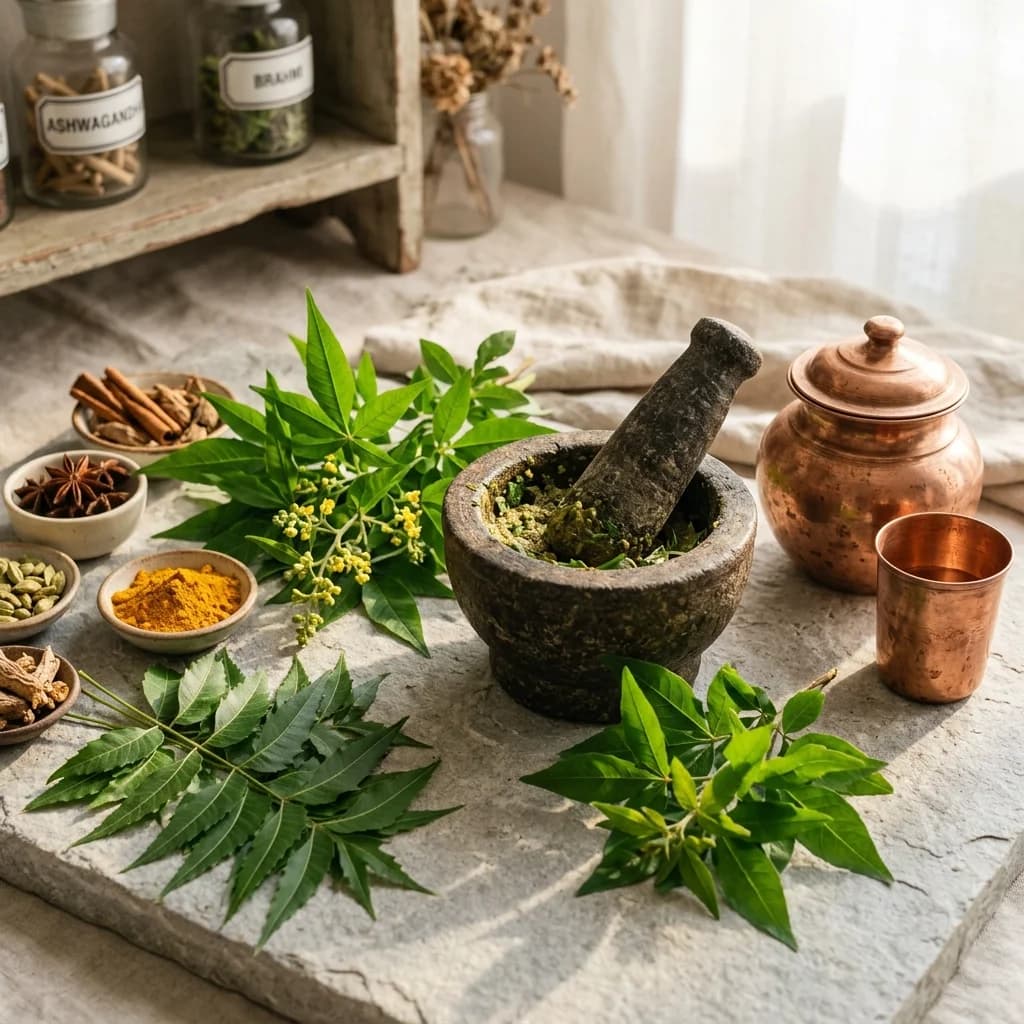
Pterocarpus marsupium, classically known in Ayurvedic pharmacopeia as Vijaysar (the Indian Kino tree), has long been celebrated for its profound ability to manage Prameha (urinary disorders, including diabetes). Energetically, Vijaysar is defined by its Kashaya (astringent) and Tikta (bitter) rasas (tastes), Laghu (light) and Rooksha (dry) gunas (properties), and Sheeta veerya (cooling potency). These properties allow it to directly target and pacify the Kapha and Pitta doshas, which are typically found in an aggravated state in individuals suffering from metabolic syndrome and insulin resistance. Traditionally, practitioners utilized Vijaysar by crafting wooden cups (Vijaysar Chashaka); water stored in these vessels overnight absorbed the tree's soluble compounds and was consumed in the morning to maintain metabolic equilibrium.
Modern pharmacological and clinical research has robustly validated this ancient practice. The Indian Council of Medical Research (ICMR) conducted landmark multicenter clinical trials evaluating the efficacy of Pterocarpus marsupium in newly diagnosed or untreated type 2 diabetes patients. The studies demonstrated that oral administration of Vijaysar (in flexible doses of 2 to 4 grams per day) led to a significant, clinically meaningful reduction in both fasting and postprandial blood glucose levels over a 12-week period. Furthermore, patients showed improvements in lipid profiles and overall metabolic stability, without experiencing any adverse side effects.
The biological mechanism behind Vijaysar's hypoglycemic effect lies in its rich array of phytoconstituents. Standardized extracts are rich in bioactive chalcones, C-glycosides, and stilbenoid compounds, most notably pterostilbene (a highly bioavailable natural analog of resveratrol) and marsupsin. These molecules function as insulin mimetics and sensitizers. Studies show that they enhance glucose uptake in skeletal muscle, promote insulin secretion from pancreatic beta cells, and stimulate the regeneration of damaged beta cells—a rare and valuable therapeutic benefit. Additionally, preliminary research suggests that Vijaysar may inhibit glucose absorption in the small intestine by modulating sodium-glucose cotransporter-1 (SGLT1) pathways, presenting an integrated approach to diabetes management.
⚖️ Anti-Inflammatory Efficacy: The Synergistic Action of Dashmoola
Dashmoola (literally meaning "ten roots") is one of the most fundamental and widely used formulations in Ayurvedic medicine. It comprises the roots of five large trees (Brihat Panchamoola): Bilva, Agnimantha, Shyonaka, Patala, and Gambhari; and five small shrubs or herbs (Laghu Panchamoola): Shalaparni, Prishniparni, Brihati, Kantakari, and Gokshura. According to classical texts, this formulation is the ultimate stabilizer of Vata dosha. It is highly regarded for its Ushna veerya (hot potency) and anti-inflammatory properties, making it the premier prescription for Vata Vyadhi (nervous system and musculoskeletal disorders, such as arthritis and sciatica) and for fostering tissue healing in postpartum recovery.
From a modern scientific perspective, Dashmoola is a prime example of synergistic pharmacology. Network pharmacology studies indicate that the vast collection of flavonoids, alkaloids, sterols, and triterpenoids distributed across these ten plants works together to target multiple inflammatory pathways. Rather than blocking a single enzyme like modern synthetic drugs, Dashmoola downregulates key pro-inflammatory cytokines such as tumor necrosis factor-alpha (TNF-α), interleukin-6 (IL-6), and cyclooxygenase-2 (COX-2) enzymes. Preclinical models comparing Dashmoola extracts with standard non-steroidal anti-inflammatory drugs (NSAIDs) like diclofenac have found comparable analgesic and anti-inflammatory benefits, but without the gastric mucosal damage commonly associated with synthetic pain relievers.
Clinical trials have validated Dashmoola's efficacy in distinct therapeutic areas. Randomized comparative studies evaluating Dashamularishta—the fermented liquid preparation of Dashmoola—in postpartum women showed significant improvements in physical recovery, abdominal muscle tone, and general quality-of-life parameters, matching conventional hospital protocols. Furthermore, clinical trials utilizing Dashmoola in musculoskeletal therapies, such as Basti (medicated enema) and Katibasti (localized oil retention) for patients with rheumatoid arthritis (Amavata) and chronic lower back pain (Katishoola), have shown significant reductions in pain, joint stiffness, and serum markers of inflammation. This dual action of neuro-endocrine stabilization and peripheral anti-inflammatory regulation highlights the formulation's clinical versatility.
🥣 Gut Microbiome and Metabolic Stress: The Biology of Viruddha Ahara
One of the most unique and preventive aspects of Ayurvedic dietetics (Ahara) is the concept of Viruddha Ahara, or incompatible food combinations. According to Ayurveda, foods possess distinct qualities like rasa (taste), veerya (thermal potency), and vipaka (post-digestive effect). When foods with opposing or incompatible qualities are consumed together, they disturb the Agni (digestive fire) and lead to the production of Ama (metabolic toxins). These toxins enter the circulation, clog the microchannels (Srotas), and eventually manifest as chronic conditions, including skin disorders, digestive issues, and systemic inflammatory diseases. Classic examples of Viruddha Ahara include combining milk with fish or sour fruits (opposing thermal potencies), heating honey (which alters its chemical structure), and repeatedly reheating cooking oils.
Modern nutritional science and biochemistry are beginning to uncover the cellular mechanisms that support these ancient dietary bans. For instance, the Ayurvedic warning against heating honey is validated by the rapid generation of 5-hydroxymethylfurfural (5-HMF) when honey is exposed to high temperatures. At levels above 40°C, the fructose in honey decomposes to form HMF, a compound shown in toxicological studies to have mutagenic, carcinogenic, and mucosal-irritating properties. Similarly, the warning against reheating cooking oils is supported by the discovery that repeated thermal exposure generates lipid peroxides and toxic, reactive aldehydes such as 4-hydroxy-2-nonenal (4-HNE). These compounds damage cellular membranes, promote arterial plaque formation, and induce systemic oxidative stress.
Furthermore, the concept of food incompatibility is increasingly explained by gut microbiome dynamics and intestinal barrier function. Combining foods that require vastly different enzymatic environments or digestive rates can lead to incomplete digestion in the upper gastrointestinal tract. This undigested food residue passes into the colon, where it undergoes abnormal fermentation by opportunistic bacteria, causing dysbiosis (an imbalance in gut flora). This dysbiosis alters the tight junctions of the gut lining, increasing intestinal permeability (commonly called "leaky gut"). As a result, bacterial endotoxins (lipopolysaccharides, or LPS) can cross into the bloodstream, triggering low-grade chronic inflammation. Modern medicine now recognizes this systemic immune activation as a primary driver of insulin resistance, obesity, and autoimmune skin conditions, aligning closely with the ancient Ayurvedic understanding of Ama-induced pathology.
📌 The Bottom Line
- vijaysar-diabetes: Standardized Vijaysar extracts and traditional infusion cups are clinically shown to regulate fasting and postprandial glucose levels by protecting pancreatic beta cells and acting as an insulin mimetic.
- dashmoola-synergy: The ten-root synergistic formulation offers powerful anti-inflammatory and pain-relieving effects by downregulating inflammatory cytokines, proving highly effective for musculoskeletal recovery and postpartum care.
- viruddha-ahara-gut-health: Modern nutritional science validates the Ayurvedic warning against incompatible food pairings, showing they can disrupt the gut microbiome, trigger intestinal permeability, and generate toxic compounds like HMF and lipid peroxides.
Disclaimer: The information provided in this post is for educational and informational purposes only. It is not intended to be a substitute for professional medical advice, diagnosis, or treatment. Always seek the advice of your physician or other qualified health provider with any questions you may have regarding a medical condition.
Enjoyed this post?
Get our weekly digest delivered free.
Share this post:
Knowelth is reader-supported. We may earn a commission from links in this article at no extra cost to you. Read our disclosure.
Related Posts
Systems Biology, Circadian Dinacharya, and Gut-Agni Chrono-Nutrition: The Science Validating Ayurvedic Medicine
Systems Biology, Circadian Dinacharya, and Gut-Agni Chrono-Nutrition: The Science Validating Ayurvedic Medicine Modern healthcare is undergoing a paradigm shift from reductionist single-molecule thera…
Clinical Validation in Ayurveda: Cardiometabolic Formulations, Chrononutrition Agni Science, and Ayurgenomics in Ovarian Reserve
Clinical Validation in Ayurveda: Cardiometabolic Formulations, Chrononutrition Agni Science, and Ayurgenomics in Ovarian Reserve Traditional Indian medicine is undergoing a profound scientific renaiss…
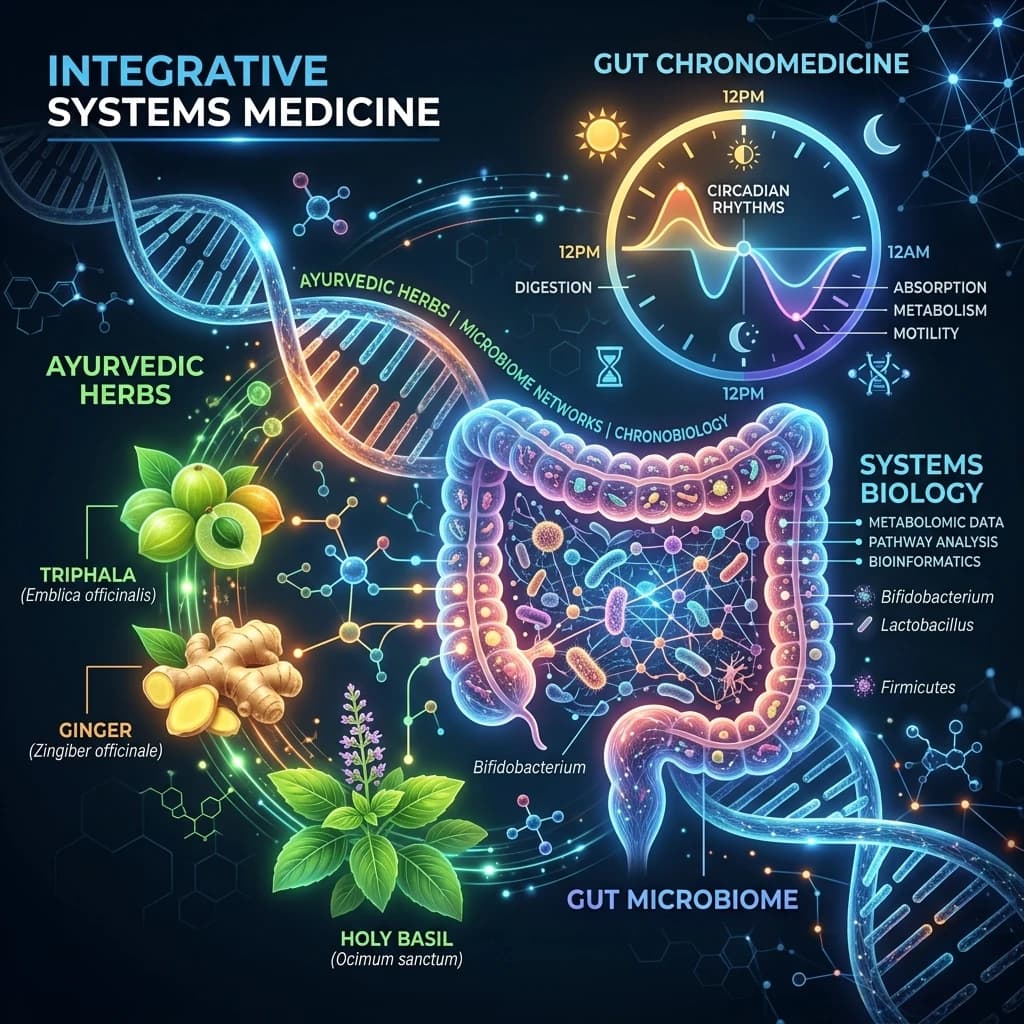
Ayurveda Meets Systems Biology: Agni, Chronomedicine, and Botanical Synergy in Modern Clinical Science
Ayurveda Meets Systems Biology: Agni, Chronomedicine, and Botanical Synergy in Modern Clinical Science The 2025–2026 wave of systems biology research has made an unambiguous statement: the three pilla…