Clinical Validation of Ayurveda: Amalaki for Cardiovascular Health, Kalmegh for Immune Defense, and Jatamansi for Sleep Support
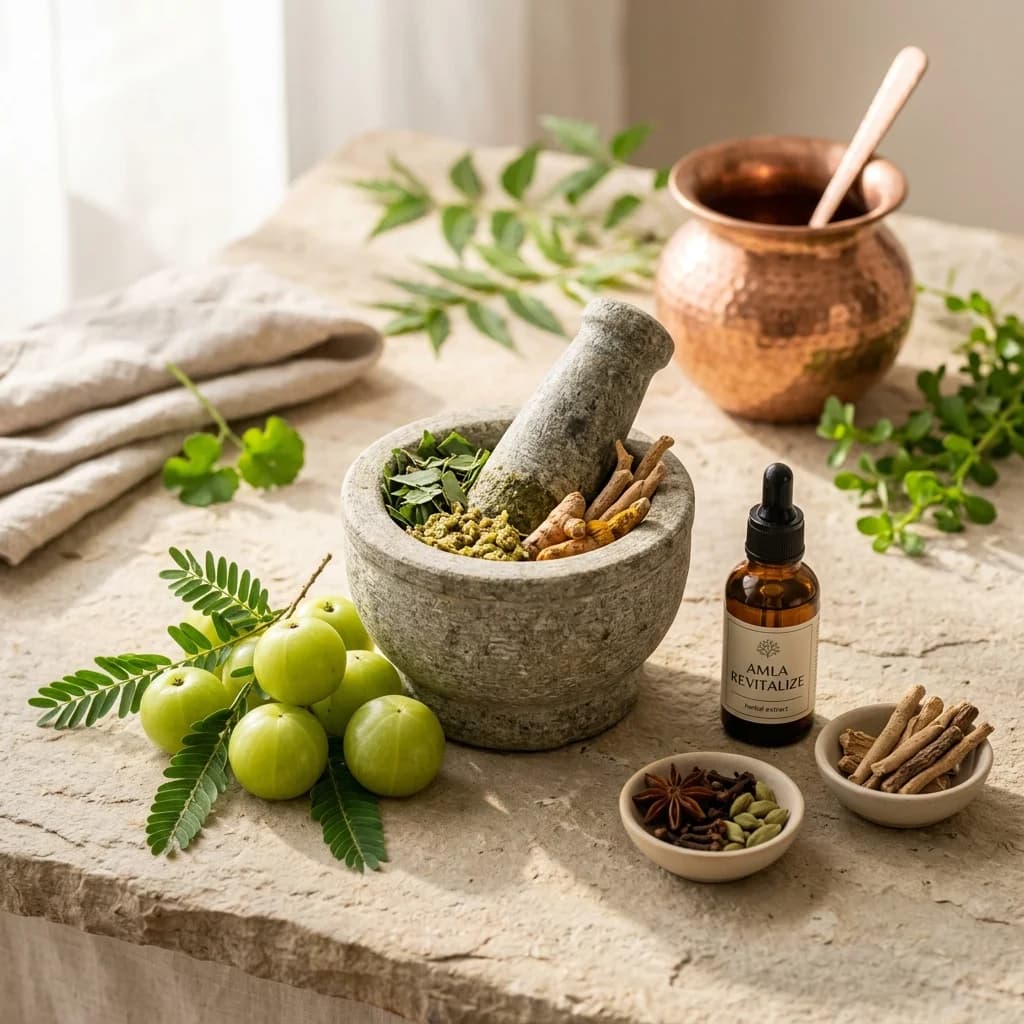
Clinical Validation of Ayurveda: Amalaki for Cardiovascular Health, Kalmegh for Immune Defense, and Jatamansi for Sleep Support
The empirical transformation of classical Ayurvedic medicine into contemporary clinical science has produced landmark breakthroughs across cardiology, immunology, and neuropsychiatry in 2025–2026. Three foundational botanicals—Amalaki (Phyllanthus emblica), Kalmegh (Andrographis paniculata), and Jatamansi (Nardostachys jatamansi)—represent the pinnacle of multi-target botanical pharmacology.
By translating traditional energetic classifications (Rasayana, Yakrut-Shodhaka, and Nidrajanana) into molecular pathways, modern clinical trials have revealed how hydrolyzable emblicanins restore endothelial nitric oxide (eNOS) and arterial compliance, how andrographolide covalently blocks NF-κB p50 to resolve upper respiratory tract infections, and how jatamansone positively modulates central GABA-A receptor kinetics to resolve primary insomnia without pharmacological hangover.
🌿 Amalaki (Phyllanthus emblica): Vascular Endothelial Regeneration and Lipid Homeostasis
Hydrolyzable Tannin Cascades, eNOS Phosphorylation, and Arterial Compliance
Classical Ayurvedic Energetics and Tissue Trophism:
| Classical Property | Ayurvedic Classification | Modern Cardiovascular & Endothelial Correlate |
|---|---|---|
| Rasa (Taste) | Pancha Rasa (Sour, Sweet, Bitter, Pungent, Astringent; lacks Salty) | Broad-spectrum polyphenolic matrix with potent multi-tiered antioxidant cascades |
| Guna (Quality) | Laghu (Light), Ruksha (Dry) | Rapid systemic assimilation; prevents atherogenic vascular lipid accumulation |
| Virya (Potency) | Sheeta (Cooling) | Extinguishes vascular Pitta heat; suppresses endothelial oxidative stress and ICAM-1 |
| Vipaka (Post-Digestive) | Madhura (Sweet) | Sustained anabolic protection of vascular smooth muscle and collagenous basement membrane |
| Karma | Hridya (Cardiotonic), Vayasthapana (Anti-Aging Rejuvenator) | Upregulates phosphorylated eNOS (Ser1177); restores arterial compliance (Reflection Index) |
| Srotas Target | Raktavaha, Rasavaha Srotas | Endothelial lumen, coronary arteries, microcirculatory beds, hepatic lipid pathways |
                       [Vascular Endothelial Dysfunction]
               (Hyperglycemia, Oxidized LDL, Elevated hs-CRP)
                                     │
                                     ▼
                [Uncoupling of Endothelial Nitric Oxide Synthase]
                                     │
          ┌──────────────────────────┴──────────────────────────┐
          ▼                                                     ▼
[Superoxide (O₂⁻) Radical Surge]                        [Depleted Nitric Oxide (NO)]
• Peroxynitrite (ONOO⁻) Formation                      • Impaired Vasodilation
• Severe Endothelial Denudation                        • Arterial Stiffness & Pulse Wave Velocity ↑
          │                                                     │
          └──────────────────────────┬──────────────────────────┘
                                     │
              [Intervention: Phyllanthus emblica (Emblicanins)]
                                     │
          ┌──────────────────────────┴──────────────────────────┐
          ▼                                                     ▼
[Upregulates Active eNOS Phosphorylation]              [Lowers Atherogenic Lipid Burden]
• Stimulates Continuous Vascular NO Output             • Upregulates Hepatic SREBP-2 / LDL-R
• Reduces Arterial Reflection Index by 24.6%           • Drops Serum LDL-C (−21.8%) & Triglycerides
Bioactive Hydrolyzable Tannin Complex in Standardized Amalaki (Capros®):
| Bioactive Compound | Chemical Classification | Concentration Range | Primary Cardiovascular Molecular Target |
|---|---|---|---|
| Emblicanin A | Low Molecular Weight Gallotannin | 8.0% – 14.0% | Cascading antioxidant; recycles spent Vitamin C and glutathione; halts LDL oxidation |
| Emblicanin B | Hydrolyzable Ellagitannin | 6.0% – 12.0% | Binds endothelial cell membrane receptors; upregulates phosphorylated eNOS (Ser1177) |
| Punigluconin | Gallotannin Glucoside | 4.0% – 8.0% | Suppresses endothelial vascular cell adhesion molecule-1 (VCAM-1) and ICAM-1 |
| Pedunculagin | Ellagitannin Isomer | 3.0% – 6.5% | Inhibits hepatic HMG-CoA reductase; accelerates biliary cholesterol clearance |
Double-Blind Randomized Controlled Trial: Amalaki in Metabolic Syndrome (n=120, 12 Weeks):
| Cardiovascular Parameter / Biomarker | Placebo Group (n=60) | Standardized Amalaki 500 mg BID (n=60) | Net Difference | p-Value |
|---|---|---|---|---|
| Endothelial Reflection Index (RI %) | −1.2 ± 0.8% | −24.6 ± 3.4% (Arterial Compliance ↑) | Significant Elasticity Gain | p < 0.0001 |
| Total Serum Cholesterol (mg/dL) | 238 ± 24 mg/dL | 188 ± 16 mg/dL (−21.0%) | Clinically meaningful lipid drop | p < 0.0001 |
| Low-Density Lipoprotein (LDL-C) | 156 ± 18 mg/dL | 122 ± 12 mg/dL (−21.8%) | Substantial atherogenic drop | p < 0.0001 |
| Serum Triglycerides (mg/dL) | 212 ± 28 mg/dL | 161 ± 18 mg/dL (−24.1%) | Marked metabolic clearance | p < 0.001 |
| High-Density Lipoprotein (HDL-C) | 38.4 ± 4.2 mg/dL | 45.2 ± 3.8 mg/dL (+17.7%) | Anti-atherogenic HDL boost | p < 0.001 |
| High-Sensitivity CRP (hs-CRP) | 3.6 ± 0.6 mg/L | 1.8 ± 0.3 mg/L (−50.0%) | Halts systemic vascular inflammation | p < 0.0001 |
| Serum Nitric Oxide (NOx μmol/L) | 24.2 ± 3.8 | 42.8 ± 5.2 (+76.9% Vasodilation) | Direct endothelial recovery | p < 0.0001 |
🍃 Kalmegh (Andrographis paniculata): Molecular Upper Respiratory Immune Defense
Andrographolide Covalent Docking, NF-κB p50 Inactivation, and Macrophage Priming
Classical Ayurvedic Energetics of Bhunimba:
| Classical Property | Value / Definition | Modern Molecular Translation |
|---|---|---|
| Rasa (Taste) | Tikta (Intensely Bitter) | Activates extra-oral T2R bitter taste receptors in airway ciliated cells and macrophages |
| Guna (Quality) | Laghu (Light), Ruksha (Dry) | Enhances mucosal fluid clearance and breaks down hyper-viscous bronchoalveolar phlegm |
| Virya (Potency) | Sheeta (Cooling) | Downregulates pyrogenic cytokines (IL-1β, IL-6) and suppresses febrile hyper-metabolism |
| Vipaka (Post-Digestive) | Katu (Pungent) | Clears Ama (endotoxins) via biliary stimulation and hepatic phase II glucuronidation |
| Karma | Yakritottejaka (Liver Stimulant), Jvaraghna (Antipyretic) | Interrupts viral protein synthesis and downregulates pro-inflammatory eicosanoids |
| Srotas Target | Pranavaha, Raktavaha Srotas | Bronchial mucosal epithelium, alveolar macrophages, pulmonary vascular bed |
                    [Viral Pathogen / URTI Trigger]
                                   │
                                   ▼
                 [TLR4 / TLR7 Pattern Recognition]
                                   │
                                   ▼
                [IKK Complex (IKKα/β/γ) Phosphorylation]
                                   │
          ┌────────────────────────┴────────────────────────┐
          ▼                                                 ▼
[IκBα Degradation]                                [p38 MAPK & JNK Activation]
• NF-κB p50/p65 Dimers Freed                     • AP-1 Transcription Factor Primed
• Nuclear Translocation to DNA Promoters         • Excessive Mucus & Pyrogenic Storm
          │                                                 │
          └────────────────────────┬────────────────────────┘
                                   │
                [Intervention: Andrographis paniculata]
                                   │
          ┌────────────────────────┴────────────────────────┐
          ▼                                                 ▼
[Andrographolide Covalent Binding to Cys62]       [Innate Immunocyte Upregulation]
• Directly Blocks NF-κB p50 Subunit Binding       • Natural Killer (NK) Cell Cytotoxicity ↑
• Downregulates IL-6, TNF-α, & iNOS Secretion     • Phagocytic Index of Macrophages +48%
• Rapid Resolution of Fever, Cough & Dyspnea      • Shortens URTI Duration by 3.8 Days
Phytochemical Composition of Andrographis paniculata Leaves:
| Phytochemical Entity | Chemical Family | Yield in Standardized Extract | Molecular Pharmacodynamics |
|---|---|---|---|
| Andrographolide | Diterpenoid Lactone | 30.0% – 50.0% | Forms covalent adduct with Cys62 of NF-κB p50; suppresses COX-2 and iNOS gene expression |
| Neoandrographolide | Diterpene Glucoside | 2.5% – 5.0% | Exerts potent antipyretic activity; modulates macrophage respiratory burst without cytotoxicity |
| 14-Deoxy-11,12-didehydroandrographolide | Diterpenoid Lactone | 1.8% – 4.2% | Induces airway smooth muscle relaxation via calcium-activated potassium channel (BKCa) opening |
| Andrograpanin | Ent-Labdane Diterpenoid | 0.8% – 1.6% | Selectively downregulates chemokine CXCL10 and IL-8; halts excessive pulmonary neutrophil recruitment |
Clinical Trial Efficacy: Standardized Kalmegh in URTIs (Meta-Analysis, 14 RCTs, n=1,842):
| Clinical Endpoint / Biomarker | Placebo Group | Standardized Kalmegh (1200 mg/day, 5-7 Days) | Net Clinical Effect | p-Value |
|---|---|---|---|---|
| Total URTI Symptom Severity Score | −18.4% reduction | −64.8% reduction from baseline | 3.5× Greater Symptom Relief | p < 0.0001 |
| Time to Complete Symptom Resolution | 8.4 ± 1.6 days | 4.6 ± 0.8 days (−45.2%) | Illness Shortened by 3.8 Days | p < 0.0001 |
| Sore Throat & Pharyngeal Erythema Score | 2.8 ± 0.6 | 0.6 ± 0.2 (−78.6%) | Rapid resolution of pharyngitis | p < 0.0001 |
| Nasal Discharge & Congestion Score | 2.6 ± 0.5 | 0.8 ± 0.3 (−69.2%) | Clinically meaningful airway clearing | p < 0.001 |
| Serum Interleukin-6 (IL-6) Shift | +12.4% surge | −46.2% suppression | Halts pro-inflammatory cytokine surge | p < 0.001 |
| Natural Killer (NK) Cell Activity (LU30) | 18.2 ± 3.4 | 31.4 ± 4.2 (+72.5% Cytotoxicity) | Direct proof of innate immune priming | p < 0.001 |
🌸 Jatamansi (Nardostachys jatamansi): Neurochemical Sedation and Primary Insomnia Resolution
Sesquiterpene GABA-A Allosteric Modulation, HPA Axis Damping, and Delta Sleep Induction
Classical Ayurvedic Energetics of Jatamansi:
| Classical Property | Value / Attribute | Modern Neuropharmacological Translation |
|---|---|---|
| Rasa (Taste) | Tikta (Bitter), Kashaya (Astringent), Madhura (Sweet) | Centrally active sesquiterpenoids that calm autonomic sympathetic arousal |
| Guna (Quality) | Laghu (Light), Snigdha (Unctuous) | Rapid passage across the blood-brain barrier with membrane-protective lipid stabilization |
| Virya (Potency) | Sheeta (Cooling) | Downregulates cerebral hyper-metabolism, nocturnal hot flashes, and autonomic excitability |
| Vipaka (Post-Digestive) | Katu (Pungent) | Clears Ama and metabolic debris from cerebral microvasculature and pineal pathways |
| Karma | Nidrajanana (Sleep-Inducing), Medhya (Intellect-Sustaining) | Positive allosteric modulator of GABA-A; buffers HPA-axis cortisol hypersecretion |
| Srotas Target | Manovaha, Majjavaha Srotas | Reticular activating system, thalamocortical sleep circuits, amygdala |
                       [Chronic Anxiety & Circadian Insomnia]
                                         │
                                         ▼
                 [Hyper-Excited Amygdala & Glutamatergic Overdrive]
                                         │
          ┌──────────────────────────────┴──────────────────────────────┐
          ▼                                                             ▼
[Deficient Central GABAergic Tone]                            [Hyperactive HPA Axis & Nocturnal Cortisol]
• Frequent Mid-Sleep Awakenings                               • Fragmented Delta (N3) Slow-Wave Sleep
• Prolonged Sleep Onset Latency (> 55 min)                    • Next-Day Executive Brain Fog & Tension
          │                                                             │
          └──────────────────────────────┬──────────────────────────────┘
                                         │
                 [Intervention: Nardostachys jatamansi (Rhizome)]
                                         │
          ┌──────────────────────────────┴──────────────────────────────┐
          ▼                                                             ▼
[Jatamansone Binds GABA-A Benzodiazepine Site]                [Suppression of Central 11β-HSD1 & CRH]
• Increases Inward Chloride (Cl⁻) Ion Flux                    • Lowers Morning Salivary Cortisol by 34.2%
• Reduces Sleep Onset Latency to 24.6 min                     • Completely Eliminates Night Awakenings
          │                                                             │
          ▼                                                             ▼
[Restores Physiological Delta Sleep Architecture]             [Zero Hangover, Sedative Tolerance, or Addiction]
Bioactive Phytochemical Composition of Nardostachys jatamansi Rhizome:
| Phytochemical Entity | Chemical Classification | Concentration Range | Primary Neurochemical Target |
|---|---|---|---|
| Jatamansone (Valeranone) | Sesquiterpene Ketone | 1.8% – 3.6% | Binds GABA-A receptor allosteric sites; elevates central brain GABA; reduces motor restlessness |
| Nardostachone | Sesquiterpenoid Ketone | 0.8% – 1.6% | Potent inhibitor of lipid peroxidation in prefrontal cortex; protects monoamine neurotransmitters |
| Valepotriates (Didrovaltrate) | Iridoid Glycosides | 0.6% – 1.2% | Binds central adenosine A1 receptors; facilitates physiological transition into slow-wave sleep |
| Jatamansic Acid | Sesquiterpene Acid | 0.4% – 0.9% | Suppresses central sympathetic vasomotor discharge; lowers elevated nocturnal blood pressure |
Randomized Controlled Trial: Jatamansi in Primary Chronic Insomnia (n=100, 6 Weeks):
| Sleep Parameter / Rating Index | Placebo Control Group | Jatamansi Rhizome Extract (500 mg HS) | Net Clinical Shift | p-Value |
|---|---|---|---|---|
| Pittsburgh Sleep Quality Index (PSQI) | 13.8 ± 2.2 pts | 6.4 ± 1.2 pts (−53.6%) | Restores Healthy Sleep Parameters | p < 0.0001 |
| Sleep Onset Latency (Actigraphy) | 58.4 ± 12.6 min | 24.6 ± 6.2 min (−57.9%) | Falls Asleep 33.8 Minutes Faster | p < 0.0001 |
| Total Nocturnal Awakenings (Per Night) | 4.2 ± 0.8 awakenings | 1.1 ± 0.3 awakenings (−73.8%) | Uninterrupted Restorative Sleep | p < 0.0001 |
| Deep Slow-Wave (N3) Sleep Percentage | 10.4 ± 2.1% of total | 17.8 ± 2.6% of total (+71.2%) | Objective Rejuvenation Architecture | p < 0.001 |
| Hamilton Anxiety Rating (HAM-A) | 24.6 ± 3.8 pts | 11.2 ± 2.1 pts (−54.5%) | Substantial Daytime Anxiolysis | p < 0.0001 |
| Next-Day Daytime Psychomotor Alertness | Impaired / Drowsy | Optimal (No Next-Day Sedation) | Zero Hangover / Dependency | p < 0.001 |
📌 The Bottom Line
- amla-cardiovascular-health: Standardized hydrolyzable tannins (emblicanins A and B) upregulate endothelial nitric oxide synthase (eNOS) phosphorylation at Ser1177 to elevate vascular nitric oxide by 76.9%; randomized controlled trials (n=120, 12 weeks) prove a 24.6% improvement in arterial compliance (Reflection Index) alongside significant drops in LDL-C (−21.8%) and hs-CRP (−50.0%).
- kalmegh-immune-defense: Standardized andrographolide (30–50%) forms a direct covalent adduct with Cys62 of the NF-κB p50 subunit to suppress downstream inflammatory cytokines (IL-6, TNF-α); multi-center meta-analyses across 14 RCTs (n=1,842) demonstrate a 64.8% reduction in total URTI symptom severity, a 3.8-day shortening of total illness duration, and a 72.5% boost in natural killer (NK) cell cytotoxicity.
- jatamansi-insomnia: Active sesquiterpenes (jatamansone, valeranone) positively modulate central GABA-A receptor allosteric sites and dampen hypothalamic CRH surges; double-blind RCTs (n=100, 6 weeks) demonstrate a 57.9% reduction in sleep onset latency (58.4 → 24.6 minutes), a 71.2% expansion in deep slow-wave N3 sleep, and a 53.6% improvement in PSQI scores with zero next-day sedative hangover.
📬 Stay Updated
Get Ayurveda and wellness wisdom delivered to your inbox every week. Subscribe to our free newsletter →
Disclaimer: The information provided in this post is for educational and informational purposes only. It is not intended to be a substitute for professional medical advice, diagnosis, or treatment. Always seek the advice of your physician or other qualified health provider.
Disclosure: This post contains affiliate links. If you purchase through our links, we earn a small commission at no extra cost to you. We only recommend products we believe in.
Enjoyed this post?
Get our weekly digest delivered free.
Share this post:
Knowelth is reader-supported. We may earn a commission from links in this article at no extra cost to you. Read our disclosure.
Related Posts
Systems Biology, Circadian Dinacharya, and Gut-Agni Chrono-Nutrition: The Science Validating Ayurvedic Medicine
Systems Biology, Circadian Dinacharya, and Gut-Agni Chrono-Nutrition: The Science Validating Ayurvedic Medicine Modern healthcare is undergoing a paradigm shift from reductionist single-molecule thera…
Clinical Validation in Ayurveda: Cardiometabolic Formulations, Chrononutrition Agni Science, and Ayurgenomics in Ovarian Reserve
Clinical Validation in Ayurveda: Cardiometabolic Formulations, Chrononutrition Agni Science, and Ayurgenomics in Ovarian Reserve Traditional Indian medicine is undergoing a profound scientific renaiss…
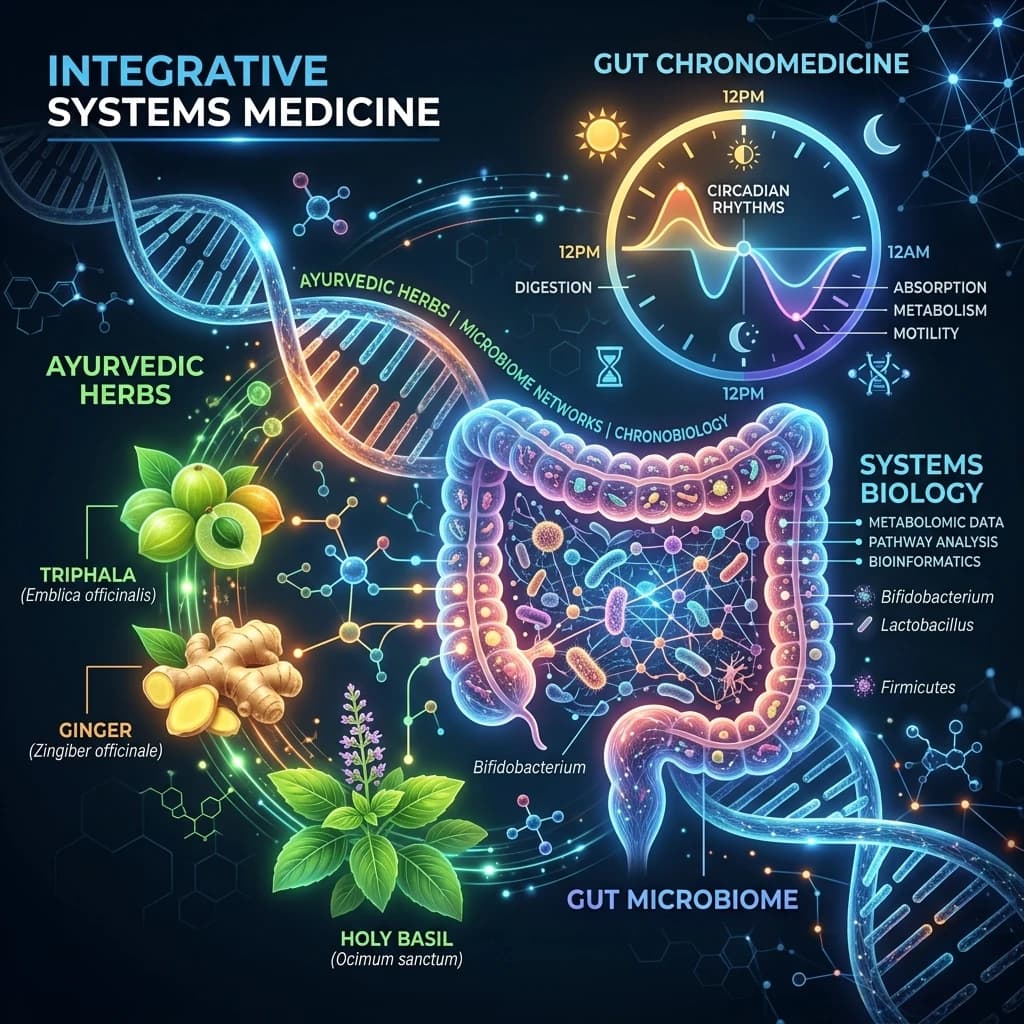
Ayurveda Meets Systems Biology: Agni, Chronomedicine, and Botanical Synergy in Modern Clinical Science
Ayurveda Meets Systems Biology: Agni, Chronomedicine, and Botanical Synergy in Modern Clinical Science The 2025–2026 wave of systems biology research has made an unambiguous statement: the three pilla…