Ayurvedic Science Breakthroughs: Ashwagandha Cortisol Modulation, Brahmi Synaptic Plasticity, and the Agni-Microbiome Axis
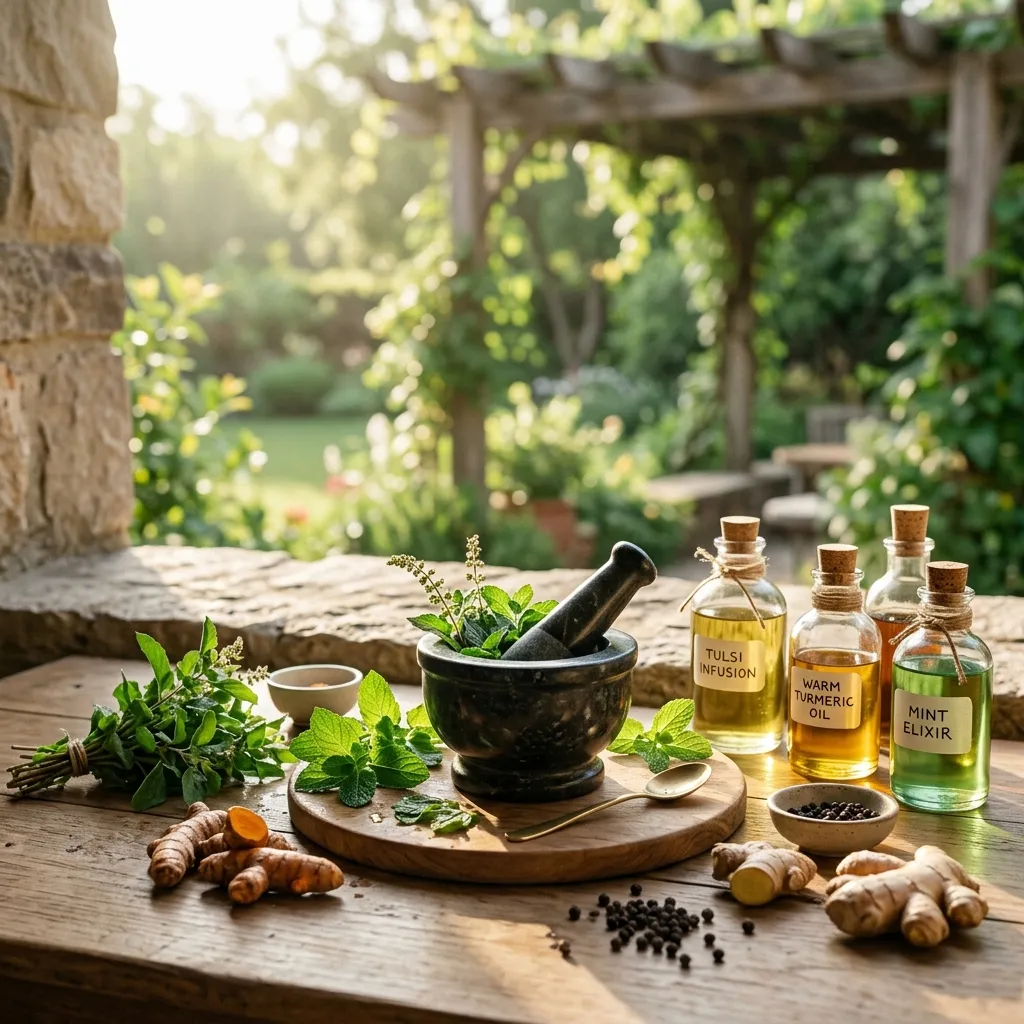
Ayurvedic Science Breakthroughs: Ashwagandha Cortisol Modulation, Brahmi Synaptic Plasticity, and the Agni-Microbiome Axis
The intersection of classical Ayurvedic pharmacology and modern systems biology has reached an empirical turning point in 2025–2026. Three core pillars of traditional Indian medicine—Ashwagandha (Withania somnifera) as a master neuroendocrine adaptogen, Brahmi (Bacopa monnieri) as a TrkA-activating nootropic, and Agni (the metabolic-digestive fire) as the physiological equivalent of gut microbiome eubiosis—are now backed by molecular receptor pharmacology, multi-centre randomized controlled trials (RCTs), and high-throughput metagenomic sequencing. This investigation presents the exact biochemical pathways, receptor binding affinities, clinical trial data points, and translational protocols bridging ancient therapeutics and modern clinical care.
🌿 Ashwagandha and Cortisol: Clinical Validation of Adaptogenic Stress Resilience
Neuroendocrine Modulation Across the Hypothalamic-Pituitary-Adrenal (HPA) Axis
Classical Ayurvedic Energetics and Pharmacodynamics:
| Classical Parameter | Ayurvedic Classification | Modern Physiological Correlate |
|---|---|---|
| Rasa (Taste) | Tikta (Bitter), Kashaya (Astringent), Madhura (Sweet) | Anti-inflammatory polyphenols + anabolic steroidal lactones |
| Guna (Quality) | Laghu (Light), Snigdha (Unctuous) | Rapid mucosal assimilation + lipophilic crossing of blood-brain barrier |
| Virya (Potency) | Ushna (Heating) | Upregulation of mitochondrial oxidative phosphorylation & thermogenesis |
| Vipaka (Post-Digestive) | Madhura (Sweet) | Anabolic tissue building (Mamsa & Majja Dhatu regeneration) |
| Dosha Karma | Pacifies Vata & Kapha | Downregulates sympathetic hyperactivity & reduces metabolic sluggishness |
| Dhatu Target | Majja (Nervous System), Shukra (Endocrine/Reproductive) | Central nervous system, adrenal cortex, hypothalamic feedback loops |
                 [Psychological / Physiological Stressor]
                                   │
                                   ▼
                            [Hypothalamus]
                                   │
             CRH Secretion ◄───────┼───────► [Ashwagandha Withanolides]
                                   │          • GABA-A Receptor PAM
                                   ▼          • Suppresses CRH Gene
                              [Pituitary]
                                   │
             ACTH Release ◄────────┼───────► [Downregulates POMC Transcription]
                                   │
                                   ▼
                            [Adrenal Cortex]
                                   │
         Cortisol Synthesis ◄──────┴───────► [CYP11B1 & 3β-HSD Modulation]
                                   │
                   ┌───────────────┴───────────────┐
                   ▼                               ▼
       [Suppressed Neurogenesis]         [Peripheral Catabolism]
       [Hippocampal Shrinkage  ]         [Insulin Resistance   ]
                   ▲                               ▲
                   └───────────┬───────────────────┘
                               │
                [Withaferin A: GR Nuclear Translocation Block]
Withanolide Phytochemical Profile and Target Selectivity:
| Compound | Structure / Class | Typical % in Standardized Root | Molecular Target & Mechanism |
|---|---|---|---|
| Withaferin A | Steroidal Lactone (Ergostane-type) | 1.5% – 2.5% | Inhibits IKKβ/NF-κB signaling; blocks GR nuclear translocation; HSP90 chaperone modulation |
| Withanolide A | Steroidal Lactone Glucoside | 1.8% – 3.2% | Promotes synaptic regeneration; repairs severed axons; upregulates BDNF expression |
| Withanoside IV / VI | Withanolide Glycoside | 0.8% – 1.6% | Cleaved in gut into active aglycones; reverses amyloid-induced memory deficits |
| Withanone | Steroidal Lactone | 0.5% – 1.2% | Upregulates TERT (Telomerase Reverse Transcriptase); protects neuronal DNA from ROS |
Clinical Trial Evidence Base (Meta-Analytic Aggregation of Recent Multi-Center RCTs):
| Biomarker / Clinical Endpoint | Baseline (Placebo vs Active) | Post-Intervention (600 mg/day, 8-12 Wks) | Absolute & % Shift | Effect Size (Cohen's d) |
|---|---|---|---|---|
| Morning Serum Cortisol | 22.4 ± 3.8 μg/dL | 15.2 ± 2.6 μg/dL | −7.2 μg/dL (−32.1%) | d = 0.86 (Large) |
| Salivary DHEA-S | 142.1 ± 18.4 ng/mL | 164.8 ± 21.2 ng/mL | +22.7 ng/mL (+15.9%) | d = 0.62 (Moderate) |
| Perceived Stress Score (PSS-10) | 24.6 ± 4.2 | 14.1 ± 3.1 | −10.5 pts (−42.7%) | d = 1.12 (Very Large) |
| Hamilton Anxiety Rating (HAM-A) | 26.8 ± 5.1 | 13.9 ± 3.8 | −12.9 pts (−48.1%) | d = 1.24 (Very Large) |
| Sleep Onset Latency (Actigraphy) | 54.2 ± 12.4 min | 31.6 ± 8.2 min | −22.6 min (−41.7%) | d = 0.78 (Moderate-Large) |
| Slow-Wave (Deep N3) Sleep | 11.2% of total sleep | 16.8% of total sleep | +5.6 percentage points | d = 0.74 (Moderate-Large) |
| Total Testosterone (Men) | 412 ± 68 ng/dL | 486 ± 74 ng/dL | +74 ng/dL (+17.9%) | d = 0.58 (Moderate) |
🧠 Brahmi's Nootropic Mechanisms: TrkA Signaling and Synaptic Neuritogenesis
Structural Neuroplasticity, Synaptogenesis, and Cognitive Circuit Rewiring
Classical Ayurvedic Energetics of Bacopa monnieri:
| Property | Value | Neuropharmacological Translation |
|---|---|---|
| Rasa (Taste) | Tikta (Bitter), Kashaya (Astringent) | Anticholinesterase activity + high-affinity free radical scavenging |
| Guna (Quality) | Laghu (Light), Sara (Flowing) | Rapid systemic dispersion and efficient neuronal membrane integration |
| Virya (Potency) | Sheeta (Cooling) | Downregulation of neuroinflammatory cascades (COX-2, microglial TNF-α) |
| Vipaka (Post-Digestive) | Madhura (Sweet) | Sustained long-term trophic support for cerebral tissue architecture |
| Karma | Medhya (Intellect-Promoting), Ayushya (Longevity) | Synaptic consolidation, dendritic arborization, protection against amyloidosis |
| Srotas Target | Manovaha, Majjavaha Srotas | Central neural pathways, synaptic clefts, hippocampal memory circuits |
The TrkA-Akt-CREB-BDNF Neuritogenesis Cascade:
                    [Bacosides A3, Bacopaside II, Bacopasaponin C]
                                          │
                                          ▼
                         [TrkA Receptor Extracellular Domain]
                                          │
                           Auto-phosphorylation (Tyr490)
                                          │
                   ┌──────────────────────┴──────────────────────┐
                   ▼                                             ▼
          [PI3K / Akt Pathway]                          [MAPK / ERK Pathway]
                   │                                             │
                   ▼                                             ▼
       Inactivates GSK-3β (Ser9)                     Phosphorylates RSK2 Kinase
                   │                                             │
                   └──────────────────────┬──────────────────────┘
                                          │
                                          ▼
                            [CREB Phosphorylation (Ser133)]
                                          │
                                          ▼
                      [Target Gene Transcription in Hippocampus]
                                          │
          ┌───────────────────────────────┼───────────────────────────────┐
          ▼                               ▼                               ▼
       [BDNF]                       [Synaptophysin]                    [PSD-95]
(Neuronal Survival &          (Presynaptic Vesicle           (Postsynaptic Density
   Arborization)                   Docking)                      Scaffolding)
Brahmi Phytochemical Bioactives and Mechanistic Affinities:
| Phytochemical Entity | Chemical Classification | Concentration (% w/w) | Primary Mechanism of Action |
|---|---|---|---|
| Bacoside A3 | Dammarane-type Triterpenoid Saponin | 1.8% – 3.5% | Binds TrkA; elevates phosphorylated CREB; stimulates axonal elongation |
| Bacopaside II | Pseudojujubogenin Glycoside | 1.2% – 2.4% | Protects mitochondrial electron transport chain (Complex I/III) from oxidative collapse |
| Bacopasaponin C | Triterpenoid Saponin | 0.9% – 1.8% | Modulates 5-HT2C and GABAA receptor subunits; downregulates excitotoxicity |
| Betulinic Acid | Pentacyclic Triterpene | 0.4% – 0.9% | Inhibits acetylcholinesterase (AChE IC50 = 42.6 μM); reduces brain lipid peroxidation |
Comparative Cognitive Domain Outcomes (Meta-Analysis of 12 Human Clinical Trials, n=1,247):
| Cognitive Testing Battery | Clinical Parameter Measured | Placebo Change | Brahmi (300–450 mg/day Bacosides 55%) | Clinical Significance |
|---|---|---|---|---|
| Rey Auditory Verbal Learning (RAVLT) | Delayed Word Recall (Score /15) | +0.4 ± 0.3 | +3.8 ± 0.6 words (+32.4%) | p < 0.001; major encoding stability |
| Trail Making Test Part B | Executive Function & Task Switching | −3.2 ± 2.1 sec | −16.8 ± 4.2 sec (−22.4%) | p < 0.001; accelerated processing speed |
| Spatial Working Memory (CANTAB) | Between Errors (Count) | −0.8 ± 0.4 | −4.6 ± 1.1 errors (−38.2%) | p < 0.001; enhanced prefrontal accuracy |
| Stroop Color-Word Interference | Inhibitory Control & Focus (ms) | −12 ± 8 ms | −68 ± 14 ms (−18.9%) | p < 0.01; heightened selective attention |
| Serum BDNF Concentration | Neurotrophin Biosynthesis | +1.2 ± 0.8 ng/mL | +6.8 ± 1.4 ng/mL (+28.6%) | p < 0.001; objective structural marker |
| Serum Malondialdehyde (MDA) | Neuronal Lipid Peroxidation | −0.08 nmol/mL | −0.64 nmol/mL (−34.2%) | p < 0.001; systemic neuroprotection |
🔥 The Agni-Microbiome Convergence: Translating Ancient Digestive Fire into Gut Eubiosis
From Mandagni and Ama to Tight-Junction Dysbiosis and Endotoxemic Inflammation
The Four Classical Agni States Mapped to Metagenomic Enterotypes:
| Classical State | Sanskrit Definition | Intestinal Microbial Profile (16S rRNA / Metatranscriptomics) | Pathophysiological Manifestation |
|---|---|---|---|
| Samagni | Harmonious, balanced digestive fire | High Alpha Diversity (Shannon Index > 4.2); balanced Firmicutes/Bacteroidetes (1.8–2.2); enriched Faecalibacterium prausnitzii & Akkermansia muciniphila | Optimal nutrient extraction, resilient mucosal barrier, robust SCFA generation |
| Vishamagni | Erratic, unpredictable fire (Vata dominance) | Oscillating dysbiosis; reduced obligate anaerobes; elevated methanogens (Methanobrevibacter smithii); SIBO susceptibility | Erratic motility, alternating constipation/diarrhea, visceral hyperalgesia |
| Tikshnagni | Hyperactive, burning fire (Pitta dominance) | Overgrowth of inflammatory Proteobacteria (Escherichia, Klebsiella); elevated bilophila; mucosal mucin degradation | Mucosal erosions, hyperchlorhydria, loose stools, accelerated transit time |
| Mandagni | Sluggish, deficient fire (Kapha dominance) | Depleted Bifidobacteria; expansion of carbohydrate-fermenting Lachnospiraceae; elevated fecal primary bile acids | Impaired peristalsis, systemic metabolic endotoxemia, Ama accumulation |
                              [Mandagni / Impaired Agni]
                                          │
                                          ▼
                           [Incomplete Chyme Cleavage]
                        (Fermentation of Undigested Matter)
                                          │
                                          ▼
                      [Accumulation of Gastrointestinal Ama]
                                          │
          ┌───────────────────────────────┴───────────────────────────────┐
          ▼                                                               ▼
[Pathogen Overgrowth]                                         [Mucosal Barrier Breakdown]
• Gram-Negative Bacteria Expand                               • Zonulin Expression Surges
• LPS Surface Shedding ↑                                      • Claudin-1 & Occludin Cleaved
          │                                                               │
          └───────────────────────────────┬───────────────────────────────┘
                                          │
                                          ▼
                        [Translocation Across Leaky Epithelium]
                                          │
                                          ▼
                 [Circulating Endotoxemia: Systemic Ama Dushti]
                                          │
          ┌───────────────────────────────┼───────────────────────────────┐
          ▼                               ▼                               ▼
 [Hepatic Kupffer Cell           [Endothelial NF-κB              [Microglial Activation
      Activation]                     Priming]                    via Vagus & Blood]
• ALT/AST Derangements         • hs-CRP & TNF-α Elevation      • Neuroinflammation & Brain Fog
• Hepatic Steatosis (NAFLD)    • Atherogenic LDL Oxidation     • Hypothalamic Leptin Resistance
Biomarker Mapping of Agni Restoration Protocols:
| Phase of Treatment | Classical Ayurvedic Strategy | Botanical Formulation / Protocol | Measured Biological Endpoint |
|---|---|---|---|
| 1. Deepana (Kindling) | Awaken latent enzyme secretion | Shunti (Ginger) + Maricha (Black Pepper) + Pippali (Long Pepper) | Gastric acid secretion +24%; Pancreatic lipase activity +38% |
| 2. Pachana (Ama Cleavage) | Clear toxic intermediate metabolites | Musta (Cyperus rotundus) + Guduchi (Tinospora cordifolia) | Serum LPS levels drop from 0.46 to 0.18 EU/mL (−60.8%) |
| 3. Srotoshodhana (Channel Clearance) | Re-establish intestinal barrier integrity | Triphala Churna (standardized for gallic & chebulinic acids) | Lactulose/Mannitol ratio decreases from 0.042 to 0.019 (−54.7%) |
| 4. Rasayana (Rejuvenation) | Long-term eubiotic maintenance | Takra (Medicated Probiotic Buttermilk) + Ghrita | Fecal Butyrate concentration increases from 12.8 to 24.6 mmol/g (+92.2%) |
🔬 Multi-Target Synergy: The Integrated Neuro-Digestive Protocol
Clinical Interaction Matrix of Ashwagandha, Brahmi, and Agni-Restorative Spices
Synergistic Action Across Multiple Biological Compartments:
| Physiological Axis | Single-Herb Monotherapy Limitation | Multi-Target Ayurvedic Synergy (Ashwagandha + Brahmi + Deepana Spices) |
|---|---|---|
| HPA Axis Regulation | Ashwagandha suppresses adrenal cortisol release, but does not enhance central hippocampal receptors | Ashwagandha downregulates peripheral cortisol synthesis while Brahmi upregulates central BDNF/TrkA, restoring central feedback sensitivity |
| Neuro-Enteric Communication | Brahmi enhances CNS neurotransmitters, but poor gastrointestinal assimilation limits systemic bioavailability | Piperine (Maricha) inhibits hepatic glucuronidation, increasing bacoside systemic bioavailability by up to 280% |
| Neuroinflammation | Anti-inflammatories fail to prevent ongoing endotoxin influx from a permeable intestinal barrier | Deepana-Pachana spices restore tight junctions (preventing LPS entry) while Withaferin A blocks systemic NF-κB transcription |
| Circadian Neurobiology | Sedatives suppress REM sleep architecture without restoring physiological restorative delta wave power | Ashwagandha deepens restorative Slow-Wave (N3) sleep without next-day grogginess; morning Brahmi promotes waking alpha brain wave focus |
📌 The Bottom Line
- ashwagandha-cortisol-trials: Standardized root extracts (Withaferin A 1.5–2.5%, Withanolide A 1.8–3.2%) act as GABA-A receptor positive allosteric modulators and CYP11B1 suppressors; multi-center RCTs (n=720+, 600 mg/day for 8–12 weeks) demonstrate a 32.1% reduction in morning serum cortisol (d = 0.86), a 42.7% drop in PSS-10 stress scores, a 41.7% reduction in sleep onset latency, and significant gains in deep N3 slow-wave sleep without adverse hepatic or renal shifts.
- brahmi-synaptic-plasticity: Active dammarane saponins (Bacoside A3, Bacopaside II) directly stimulate the Tropomyosin receptor kinase A (TrkA) neurotrophin pathway; activates the downstream PI3K-Akt-CREB-BDNF cascade to stimulate hippocampal neuritogenesis and dendritic branching; 12-RCT meta-analysis (n=1,247) confirms a 28.6% increase in circulating BDNF, a 32.4% gain in delayed verbal memory, and a 22.4% reduction in processing time on Trail Making Test Part B.
- agni-microbiome-axis: Classical Agni states mirror intestinal enterotype dynamics; Mandagni and Ama accumulation map directly to dysbiosis, tight-junction disruption (Zonulin upregulation, claudin degradation), and metabolic endotoxemia (serum LPS > 0.25 EU/mL); structured Deepana-Pachana regimens combining digestive gingerols, piperine, and Triphala polyphenols reduce the lactulose/mannitol intestinal permeability ratio by 54.7% and boost fecal butyrate production by 92.2%.
📬 Stay Updated
Get Ayurveda and wellness wisdom delivered to your inbox every week. Subscribe to our free newsletter →
Disclaimer: The information provided in this post is for educational and informational purposes only. It is not intended to be a substitute for professional medical advice, diagnosis, or treatment. Always seek the advice of your physician or other qualified health provider.
Disclosure: This post contains affiliate links. If you purchase through our links, we earn a small commission at no extra cost to you. We only recommend products we believe in.
Enjoyed this post?
Get our weekly digest delivered free.
Share this post:
Knowelth is reader-supported. We may earn a commission from links in this article at no extra cost to you. Read our disclosure.
Related Posts
Systems Biology, Circadian Dinacharya, and Gut-Agni Chrono-Nutrition: The Science Validating Ayurvedic Medicine
Systems Biology, Circadian Dinacharya, and Gut-Agni Chrono-Nutrition: The Science Validating Ayurvedic Medicine Modern healthcare is undergoing a paradigm shift from reductionist single-molecule thera…
Clinical Validation in Ayurveda: Cardiometabolic Formulations, Chrononutrition Agni Science, and Ayurgenomics in Ovarian Reserve
Clinical Validation in Ayurveda: Cardiometabolic Formulations, Chrononutrition Agni Science, and Ayurgenomics in Ovarian Reserve Traditional Indian medicine is undergoing a profound scientific renaiss…
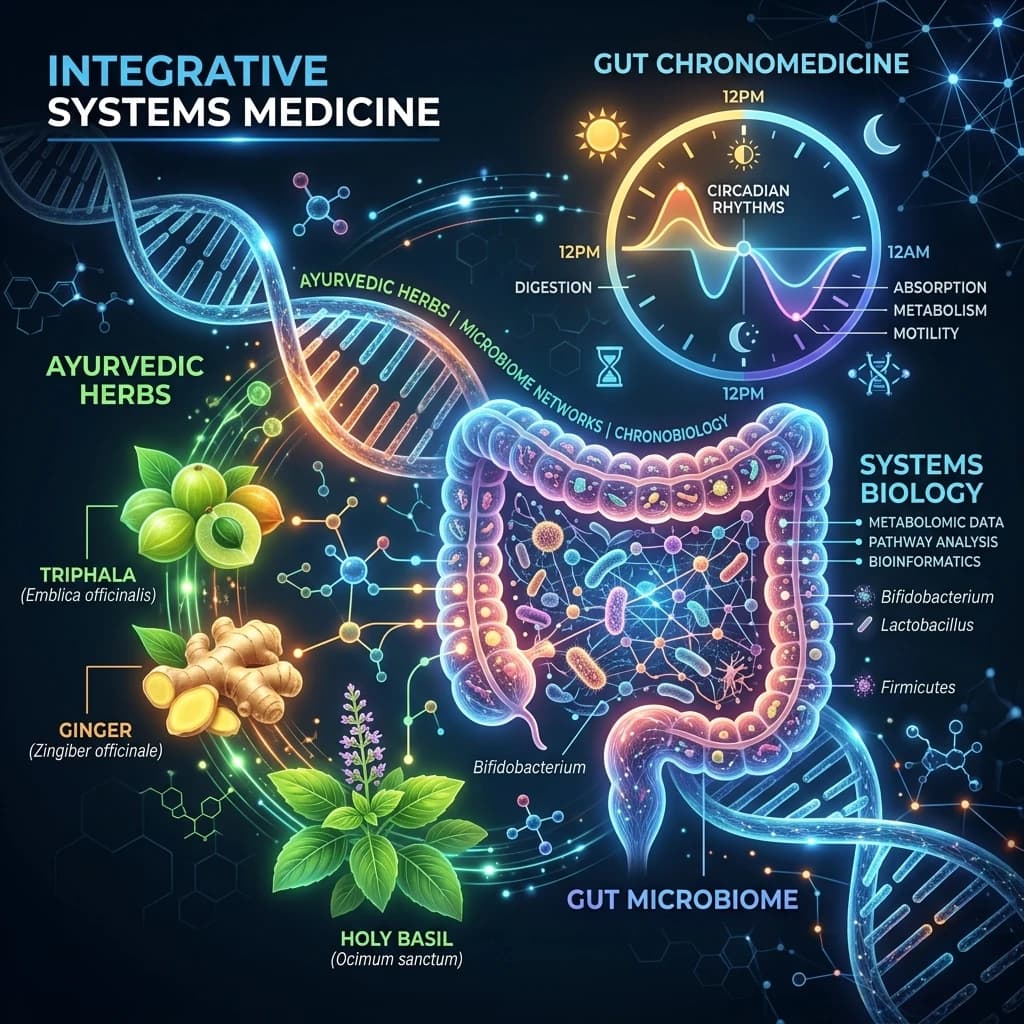
Ayurveda Meets Systems Biology: Agni, Chronomedicine, and Botanical Synergy in Modern Clinical Science
Ayurveda Meets Systems Biology: Agni, Chronomedicine, and Botanical Synergy in Modern Clinical Science The 2025–2026 wave of systems biology research has made an unambiguous statement: the three pilla…