Modern Clinical Validation of Ayurveda: Manjistha Skin Microflora, Kapikacchu Dopaminergic Restoration, and Circannual Ritucharya
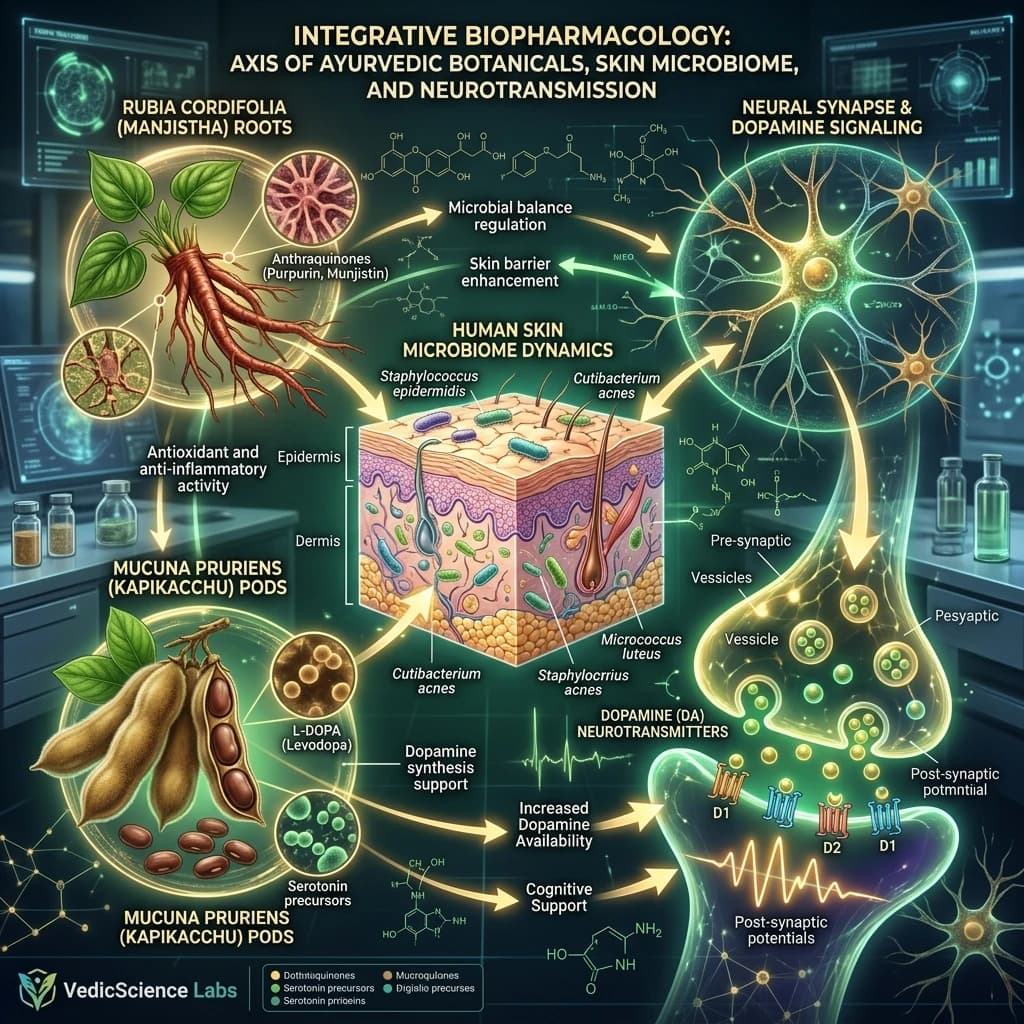
Modern Clinical Validation of Ayurveda: Manjistha Skin Microflora, Kapikacchu Dopaminergic Restoration, and Circannual Ritucharya
As global healthcare transitions toward integrative, systems-based medicine, traditional Indian medicine (Ayurveda) is undergoing a scientific renaissance. Recent peer-reviewed investigations published in 2025 and 2026 demonstrate how ancient clinical principles—ranging from dermatological botanical synergy to neuroprotective catecholamine restoration and circannual lifestyle timing—align with molecular genetics, immunology, and chronobiology.
🌿 1. Dermatological Therapeutics: Rubia cordifolia (Manjistha) & Cytokine Pathway Modulation
In classical Ayurvedic literature, Rubia cordifolia (known as Manjistha) is classified as a premier Rakta Shodhaka (blood purifier) and Kushtaghna (dermatological therapeutic). Traditionally prescribed for inflammatory skin conditions (Twak Roga), eczema (Vicharchika), and acne (Yauvanapitaka), Manjistha has recently become the focus of molecular dermatological research.
Molecular Cytokine Regulation
Pharmacological studies published in 2025 and 2026 have isolated key quinone derivatives from Manjistha root extract—specifically alizarin, purpurin, and mollugin. Network pharmacology analyses reveal that these phytochemicals directly modulate critical pro-inflammatory cascades, including the JAK-1/STAT-3 signaling pathway, as well as TNF-α, IL-17, and IL-23 cytokine axes. By downregulating hyperactive immune responses in dermal keratinocytes, Manjistha mitigates tissue destruction and chronic cutaneous inflammation.
Herbosomal Gel Innovations
A major bottleneck in botanical dermatology has historically been the poor aqueous solubility and limited epidermal penetration of raw herbal extracts. Recent 2026 formulation trials have successfully developed advanced herbosomal gels combining standardized extracts of Rubia cordifolia with Curcuma longa (Turmeric). Phospholipid encasement drastically improves dermal bio-absorption, providing sustained transdermal release and superior clinical outcomes in reducing lesion erythema, scaling, and hyperpigmentation without skin irritation.
Skin Microbiome Preservation
Unlike broad-spectrum synthetic topical antibiotics that eradicate commensal cutaneous bacteria, recent microbiomic studies demonstrate that Manjistha exerts selective antimicrobial activity. It inhibits opportunistic dermatological pathogens such as Cutibacterium acnes (Propionibacterium acnes) and Staphylococcus aureus while preserving beneficial skin commensals (Staphylococcus epidermidis), maintaining lipid barrier integrity and homeostatic microbial equilibrium.
🧠 2. Neurodegenerative Health: Mucuna pruriens (Kapikacchu) & Dopaminergic Restoration
Neurodegenerative disorders characterized by dopaminergic neuron degeneration present severe global health challenges. In classical Ayurveda, conditions presenting with motor tremors, rigidity, and gait impairment were treated under the rubric of Vatavyadhi (such as Kampa Vata). The primary botanical remedy for these motor disorders has long been Kapikacchu (Mucuna pruriens).
2026 Multicenter Clinical Trial Findings
A landmark 12-month multicenter randomized controlled trial (RCT) published in early 2026 in The Journal of Parkinson’s Disease provided compelling clinical validation for standardized Mucuna pruriens seed extracts. The study evaluated patients across international clinical sites, demonstrating that natural Kapikacchu formulations containing 4–6% naturally occurring L-DOPA (levodopa) achieved significant motor symptom scores equivalent to conventional synthetic levodopa preparations. Notably, patients receiving Kapikacchu demonstrated a faster onset of therapeutic action and extended "on" duration throughout the day.
Bioavailability & Traditional Processing (Ksheerapaka)
Raw Mucuna pruriens seeds contain antinutritional factors that can cause gastrointestinal distress if unprocessed. Modern pharmaceutical research in 2026 validated classical Ayurvedic processing techniques (Shodhana), specifically decocting the seeds in milk (Ksheerapaka). Bioanalytical assays confirm that processing in lipid-rich matrices preserves catecholamines while neutralizing digestive inhibitors. This traditional preparation significantly increases intestinal L-DOPA transport via amino acid transporters, leading to stable systemic blood levels and a lower incidence of treatment-induced dyskinesias compared to isolated synthetic monotherapy.
Multi-Target Neuroprotection
Beyond providing a direct metabolic precursor to dopamine, Kapikacchu contains co-occurring bioactive constituents—including nicotine, serotonin, gallic acid, and novel tetrahydroisoquinoline alkaloids. These compounds act synergistically to stabilize mitochondrial membrane potential, scavenge reactive oxygen species (ROS) in the substantia nigra, and inhibit neuro-inflammatory glial activation, offering true neuroprotective cellular defense alongside symptomatic motor control.
☀️ 3. Circannual Chronomedicine: Ritucharya & Seasonal Metabolic Flexibility
Enjoyed this post?
Get our weekly digest delivered free.
While daily circadian rhythms (Dinacharya) have gained widespread medical recognition, Ayurvedic medicine places equal therapeutic emphasis on Ritucharya—the structured seasonal regimen designed to adapt physiological function across the six Indian seasons (Ritus).
Scientific Convergence with Circannual Gene Expression
Emerging research in systems chronobiology (2025–2026) highlights a profound biological parallel between the Ayurvedic concept of seasonal doshic accumulation (Sanchaya), aggravation (Prakopa), and pacification (Prashamana) and human circannual biology. Genomic sequencing studies reveal that nearly a quarter of the human genome undergoes seasonal variation in expression. Key immune markers, endocrine hormones (such as cortisol, thyroid-stimulating hormone, and leptin), and metabolic enzymes shift predictably with changing ambient temperature and solar photoperiods.
| Ayurvedic Concept | Modern Biomedical Parallel | Physiological Impact |
|---|---|---|
| Ritucharya | Circannual biological rhythms | Alignment of gene expression with seasonal photoperiods |
| Sanchaya / Prakopa | Seasonal immune & metabolic shifts | Fluctuations in inflammatory cytokines and lipid storage |
| Agni (Metabolic Fire) | Basal Metabolic Rate (BMR) & SCFA production | Adaptive digestive enzyme secretion & microbiome turnover |
| Ahara Vidhi | Chrono-nutrition & time-restricted feeding | Enhanced insulin sensitivity & glycemic control |
Microbiome Restructuring & Metabolic Adaptation
During seasonal transitions (such as Ritu Sandhi), metabolic fire (Agni) undergoes transient vulnerability. Modern metagenomic analyses confirm that the gut microbiome naturally restructures its species composition seasonally in response to dietary shifts and temperature changes. Adhering to Ayurvedic seasonal dietary guidelines (Ahara)—such as light, easily digestible, warming foods during rainy seasons (Varsha) and nourishing, cooling Pitta-pacifying foods during autumn (Sharad)—prevents intestinal dysbiosis, preserves mucosal lining integrity, and supports basal metabolic rate (BMR).
Quaternary Prevention in Modern Healthcare
Preventive medicine experts are advocating for Ritucharya as a framework for quaternary prevention—mitigating unnecessary pharmacological interventions by leveraging lifestyle alignment. By proactively modifying diet, hydration, exercise intensity, and sleep hygiene in sync with environmental cycles, individuals cultivate physiological resilience against seasonal affective disorders, metabolic syndrome, and climate-induced inflammatory flare-ups.
📌 The Bottom Line
- manjistha-skin-microbiome: Standardized Rubia cordifolia (Manjistha) extracts and novel herbosomal gels modulate JAK-1/STAT-3 and IL-17/IL-23 cytokine cascades while preserving beneficial skin microflora.
- kapikacchu-dopamine-rct: 2026 multicenter clinical trials confirm that traditionally processed Mucuna pruriens (Kapikacchu) delivers highly bioavailable L-DOPA and multi-target neuroprotection for dopamine pathway preservation.
- ritucharya-circannual-chronomedicine: Practicing Ritucharya aligns seasonal dietary and lifestyle habits with circannual gene expression and microbiome remodeling, enhancing metabolic flexibility and climate resilience.
📫 Stay Updated
Get evidence-based Ayurveda research and holistic health updates delivered directly to your inbox every week. Subscribe to our free newsletter →
Disclaimer: The information provided in this post is for educational and informational purposes only. It is not intended to be a substitute for professional medical advice, diagnosis, or treatment. Always seek the advice of your physician or other qualified health provider.
Disclosure: This post contains affiliate links. If you purchase through our links, we earn a small commission at no extra cost to you. We only recommend products we believe in.
The health, Ayurvedic, and botanical information published on Knowelth is compiled from published clinical literature and peer-reviewed studies for educational awareness only. This content is not intended to substitute for professional medical advice, diagnosis, or treatment. Always seek the counsel of a licensed medical practitioner or certified Ayurvedic physician before starting any herbal regimen, supplement, or diet modification. Read our Editorial Policy.
Enjoyed this post?
Get our weekly digest delivered free.
Share this post:
Knowelth is reader-supported. We may earn a commission from links in this article at no extra cost to you. Read our disclosure.
Related Posts
Systems Biology, Circadian Dinacharya, and Gut-Agni Chrono-Nutrition: The Science Validating Ayurvedic Medicine
Systems Biology, Circadian Dinacharya, and Gut-Agni Chrono-Nutrition: The Science Validating Ayurvedic Medicine Modern healthcare is undergoing a paradigm shift from reductionist single-molecule thera…
Clinical Validation in Ayurveda: Cardiometabolic Formulations, Chrononutrition Agni Science, and Ayurgenomics in Ovarian Reserve
Clinical Validation in Ayurveda: Cardiometabolic Formulations, Chrononutrition Agni Science, and Ayurgenomics in Ovarian Reserve Traditional Indian medicine is undergoing a profound scientific renaiss…
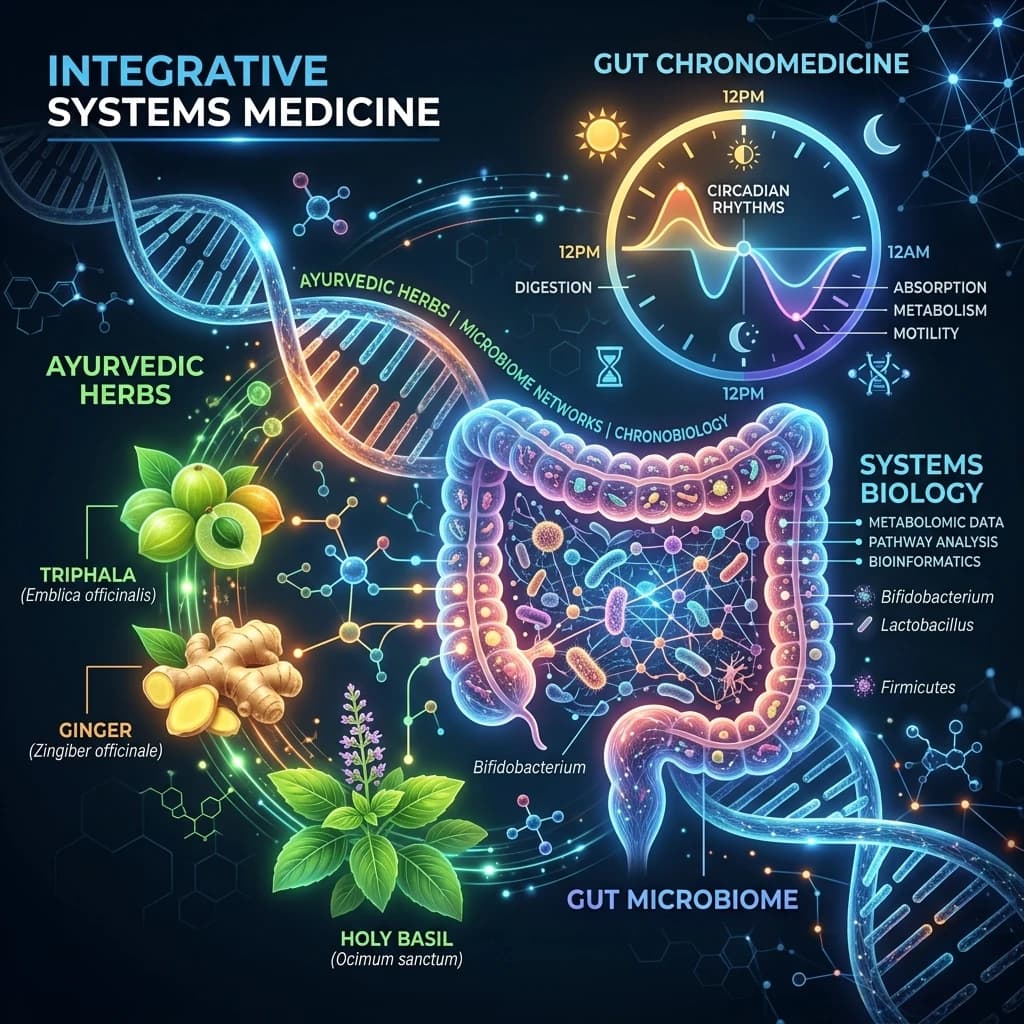
Ayurveda Meets Systems Biology: Agni, Chronomedicine, and Botanical Synergy in Modern Clinical Science
Ayurveda Meets Systems Biology: Agni, Chronomedicine, and Botanical Synergy in Modern Clinical Science The 2025–2026 wave of systems biology research has made an unambiguous statement: the three pilla…