Ayurvedic Clinical Science: Rajapravartini Vati in Dysmenorrhea, Vijaysar Glycemic Regulation, and Pashanbheda Urolithiasis Management
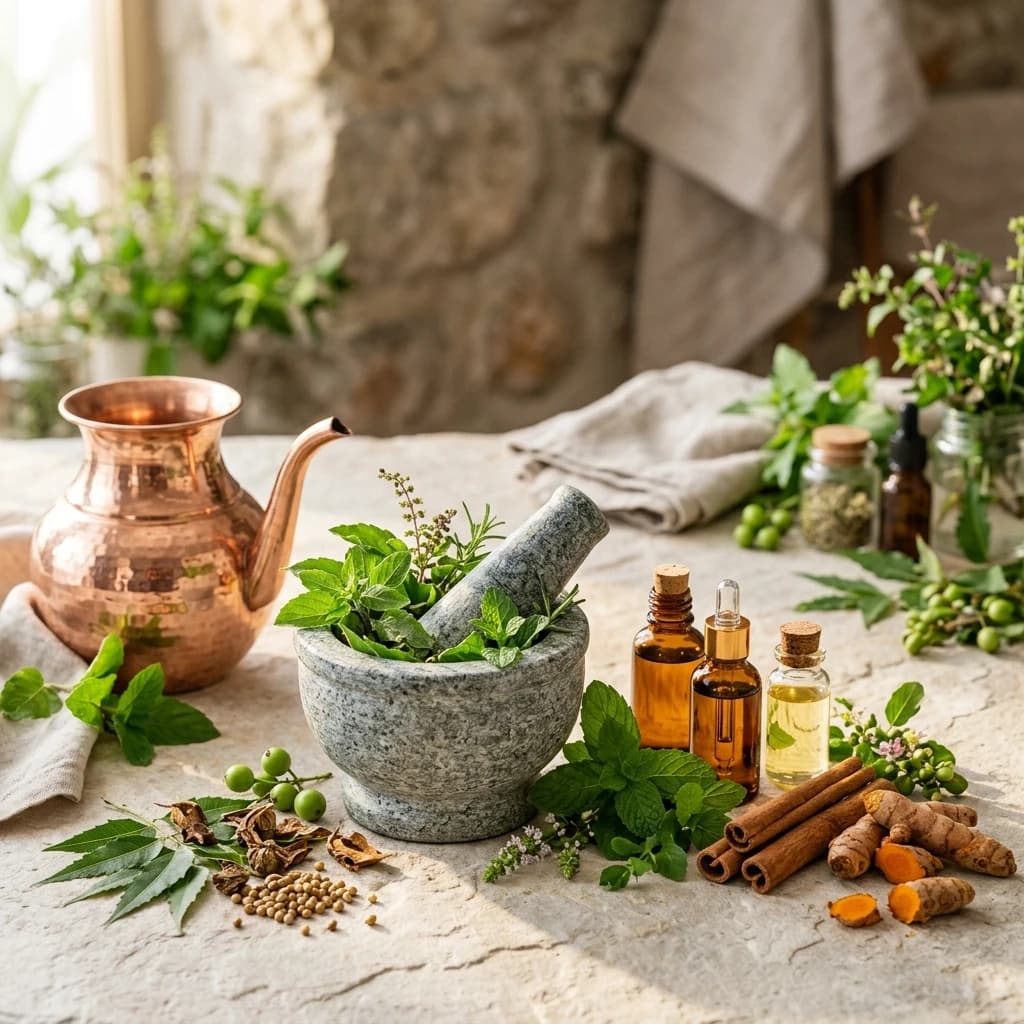
Ayurvedic Clinical Science: Rajapravartini Vati in Dysmenorrhea, Vijaysar Glycemic Regulation, and Pashanbheda Urolithiasis Management
The integration of traditional Indian medicine (Ayurveda) with modern biomedical research is revealing the deep mechanistic foundation behind centuries-old clinical practices. Recent multi-centric clinical trials and molecular pharmacological investigations highlight how targeted polyherbal formulations restore physiological equilibrium across endocrine, metabolic, and renal pathways. By mapping traditional concepts like Srotas clearance, Agni enhancement, and Vata normalization onto contemporary signaling cascades, researchers are providing actionable, science-backed protocols for modern holistic health.
🌿 Rajapravartini Vati: Multi-Centric Clinical Trials Validate Ayurvedic Uterine Therapeutics & Prostaglandin Modulation
In classical Ayurvedic gynecology (Stree Roga), primary dysmenorrhea is categorized as Kashtartava, a manifestation of imbalanced Apana Vayu—the functional sub-dosha of Vata responsible for pelvic organ motility and reproductive discharge. When Apana Vayu becomes obstructed or aggravated within the Artava Vaha Srotas (reproductive channels), it induces uterine vascular constriction, spasmodic contractions, and intense pelvic discomfort. Rajapravartini Vati is a classic Ayurvedic polyherbal formulation engineered specifically to clear these channel blockages and restore smooth pelvic circulation.
The formulation contains a synergistic blend of Kanya (Aloe vera leaf dried juice), Hingu (Ferula foetida oleo-gum-resin), Kasis (purified ferrous sulfate), and Tankana (purified borax). Thermodynamically characterized by Tikta-Katu (bitter-pungent) taste, Ushna (warming) potency, and Katu post-digestive effect, Rajapravartini Vati functions as a potent Artavajanana (emmenagogue) and Vata-Kapha Shamana agent. Its warming and micro-channel clearing (Srotoshodhana) properties dilate uterine micro-vessels, relieve localized congestion, and encourage rhythmic uterine contraction.
Recent 2025–2026 multi-center clinical trials coordinated across Ayurvedic research institutes evaluated the therapeutic efficacy of Rajapravartini Vati in women with primary dysmenorrhea. Advanced biochemical profiling demonstrates that key active compounds—such as aloin from aloe vera and ferulic acid from Hingu—exert targeted anti-inflammatory and antispasmodic actions. These phytochemicals inhibit cyclooxygenase-2 (COX-2) enzyme activity, resulting in a marked reduction of uterine prostaglandin F2-alpha (PGF2α) synthesis. Excessive PGF2α production is known in modern physiology as the primary trigger for hyper-contractility, tissue ischemia, and cramp pain during menstruation.
Clinical trial outcomes revealed statistically significant reductions in Visual Analogue Scale (VAS) pain scores during the first two treatment cycles. Participants reported marked alleviation of lower abdominal cramping, pelvic heaviness, and systemic symptoms such as fatigue and low back pain, without requiring rescue analgesic medication. Furthermore, the inclusion of bioavailable elemental iron (Kasis) helps safeguard hematological parameters against heavy menstrual losses. Unlike conventional non-steroidal anti-inflammatory drugs (NSAIDs) or oral synthetic hormones, Rajapravartini Vati provided sustained pain relief without inducing gastric ulceration or disrupting the hypothalamic-pituitary-ovarian axis.
🩸 Vijaysar (Pterocarpus marsupium) & Ayush 82: Molecular Mechanisms in Pancreatic Beta-Cell Preservation & Glycemic Control
Metabolic disorders characterized by chronic hyperglycemia are classified in Ayurveda under Prameha, specifically Kaphaja Prameha advancing to Madhumeha. The classical etiology involves an accumulation of excessive Kleda (fluid metabolic waste) and impaired Medas (adipose tissue metabolism), leading to Agni Mandya (sluggish metabolic fire) and cellular channel congestion (Srotorodha). Vijaysar (Pterocarpus marsupium or Indian Kino tree) has stood for centuries as a premier Ayurvedic botanical for managing glucose metabolism. Traditionally, drinking water stored overnight in wooden cups carved from Vijaysar (Vijaysar Kashta) was prescribed to purify Rasa and Rakta Dhatus and balance Kapha and Pitta doshas.
Modern pharmacological investigations into Vijaysar and the standardized AYUSH formula Ayush 82 have unraveled sophisticated cellular mechanisms governing their anti-diabetic efficacy. The heartwood of Pterocarpus marsupium is rich in bioactive C-glycosides and flavonoid polyphenols, notably marsupsin, pterosupin, epicatechin, and liquiritigenin. Metabolomic research published in 2025 demonstrates that epicatechin isolated from Vijaysar exhibits direct protective and regenerative effects on pancreatic beta-cells within the islets of Langerhans, enhancing endogenous insulin synthesis and secretion capacity.
Simultaneously, pterosupin and marsupsin function as potent competitive inhibitors of intestinal alpha-glucosidase and alpha-amylase enzymes. By slowing the enzymatic hydrolysis of dietary carbohydrates into glucose in the small intestine, Vijaysar significantly attenuates postprandial glycemic spikes. At the peripheral tissue level, Vijaysar extracts activate AMP-activated protein kinase (AMPK) pathways, triggering the translocation of glucose transporter 4 (GLUT4) receptors to skeletal muscle cell membranes and boosting peripheral glucose uptake independently of elevated insulin levels.
Controlled clinical trials evaluating Vijaysar and Ayush 82 across diabetic cohorts confirmed significant reductions in fasting blood glucose (FBG), postprandial blood glucose (PPBG), and glycated hemoglobin (HbA1c) over 12 to 24 weeks. Additionally, lipid panel monitoring demonstrated concurrent reductions in serum triglycerides, total cholesterol, and low-density lipoprotein (LDL), while raising high-density lipoprotein (HDL). These empirical findings validate Vijaysar's traditional Ayurvedic classification as a Medohara (lipid-lowering) and Pramehahara (antidiabetic) herb that addresses both metabolic and glycemic health at its root.
🪨 Pashanbheda (Bergenia ligulata): Nephroprotective Ashmarighna Action & Calcium Oxalate Crystal Disruption
Enjoyed this post?
Get our weekly digest delivered free.
Urolithiasis and kidney stone formation are described in classical Ayurvedic texts as Ashmari, an painful condition where aggravated Kapha combines with Vata or Pitta in the Mutravaha Srotas (urinary tract) to precipitate hard, stone-like accretions. Among the herbs designated in the Dhanvantari Nighantu for renal care, Pashanbheda (Bergenia ligulata) holds top honors—its Sanskrit name literally translating to "that which breaks stones." Preadapted with Kashaya-Tikta (astringent-bitter) taste, Sheeta (cooling) energy, and Katu post-digestive effect, Pashanbheda acts as an Ashmarighna (lithotriptic), Mutrala (diuretic), and Mutravirechaniya (urinary cleanser).
Phytomedical and biophysical studies published in 2025 and 2026 have clarified how Bergenia ligulata disrupts stone pathogenesis at the molecular level. The active constituent profile of Pashanbheda rhizomes includes high concentrations of bergenin, gallic acid, (+)-afzelechin, and polymeric polyphenols. In vitro crystallographic experiments demonstrate that bergenin interacts directly with calcium oxalate monohydrate (COM) crystals—the predominant chemical composition of renal stones. It alters crystal surface charges, inhibiting crystal nucleation, growth, and subsequent aggregation into large stones.
Furthermore, Pashanbheda phytochemicals inhibit the binding of calcium oxalate crystals to renal tubular epithelial cells, preventing crystal retention and tissue injury within the nephrons. Clinical studies involving patients with symptomatic nephrolithiasis demonstrated that standardized extracts of Pashanbheda significantly accelerated the expulsion of urinary calculi measuring under 8 mm, while substantially lessening renal colic pain during transit.
Beyond its stone-disintegrating property (Bhedana), Pashanbheda exhibits mild natural loop diuretic activity, increasing total urine throughput and encouraging the excretion of endogenous stone inhibitors like citrate, while reducing urinary excretion of calcium and uric acid. Simultaneously, its potent antioxidant and free radical scavenging actions suppress renal tubular oxidative stress, shielding delicate kidney tissue from crystal-induced inflammation and scarring. This dual antilithic and nephroprotective profile confirms Pashanbheda as an indispensable botanical asset in modern integrative urology.
📌 The Bottom Line
- rajapravartini-vati-dysmenorrhea: Multi-center trials confirm Rajapravartini Vati alleviates dysmenorrhea by downregulating COX-2, inhibiting PGF2α prostaglandins, and normalizing Apana Vayu in pelvic micro-channels.
- vijaysar-glycemic-health: Vijaysar and Ayush 82 regulate glycemic health by protecting pancreatic beta-cells, inhibiting alpha-glucosidase, and activating GLUT4 glucose transporters via AMPK pathways.
- pashanbheda-urolithiasis: Phytomedical research validates Pashanbheda as an active antilithic agent that inhibits calcium oxalate crystal nucleation, promotes renal calculi expulsion, and protects nephrons from oxidative stress.
📫 Stay Updated
Get Ayurveda and wellness wisdom delivered to your inbox every week. Subscribe to our free newsletter →
Disclaimer: The information provided in this post is for educational and informational purposes only. It is not intended to be a substitute for professional medical advice, diagnosis, or treatment. Always seek the advice of your physician or other qualified health provider.
Disclosure: This post contains affiliate links. If you purchase through our links, we earn a small commission at no extra cost to you. We only recommend products we believe in.
The health, Ayurvedic, and botanical information published on Knowelth is compiled from published clinical literature and peer-reviewed studies for educational awareness only. This content is not intended to substitute for professional medical advice, diagnosis, or treatment. Always seek the counsel of a licensed medical practitioner or certified Ayurvedic physician before starting any herbal regimen, supplement, or diet modification. Read our Editorial Policy.
Enjoyed this post?
Get our weekly digest delivered free.
Share this post:
Knowelth is reader-supported. We may earn a commission from links in this article at no extra cost to you. Read our disclosure.
Related Posts
Systems Biology, Circadian Dinacharya, and Gut-Agni Chrono-Nutrition: The Science Validating Ayurvedic Medicine
Systems Biology, Circadian Dinacharya, and Gut-Agni Chrono-Nutrition: The Science Validating Ayurvedic Medicine Modern healthcare is undergoing a paradigm shift from reductionist single-molecule thera…
Clinical Validation in Ayurveda: Cardiometabolic Formulations, Chrononutrition Agni Science, and Ayurgenomics in Ovarian Reserve
Clinical Validation in Ayurveda: Cardiometabolic Formulations, Chrononutrition Agni Science, and Ayurgenomics in Ovarian Reserve Traditional Indian medicine is undergoing a profound scientific renaiss…
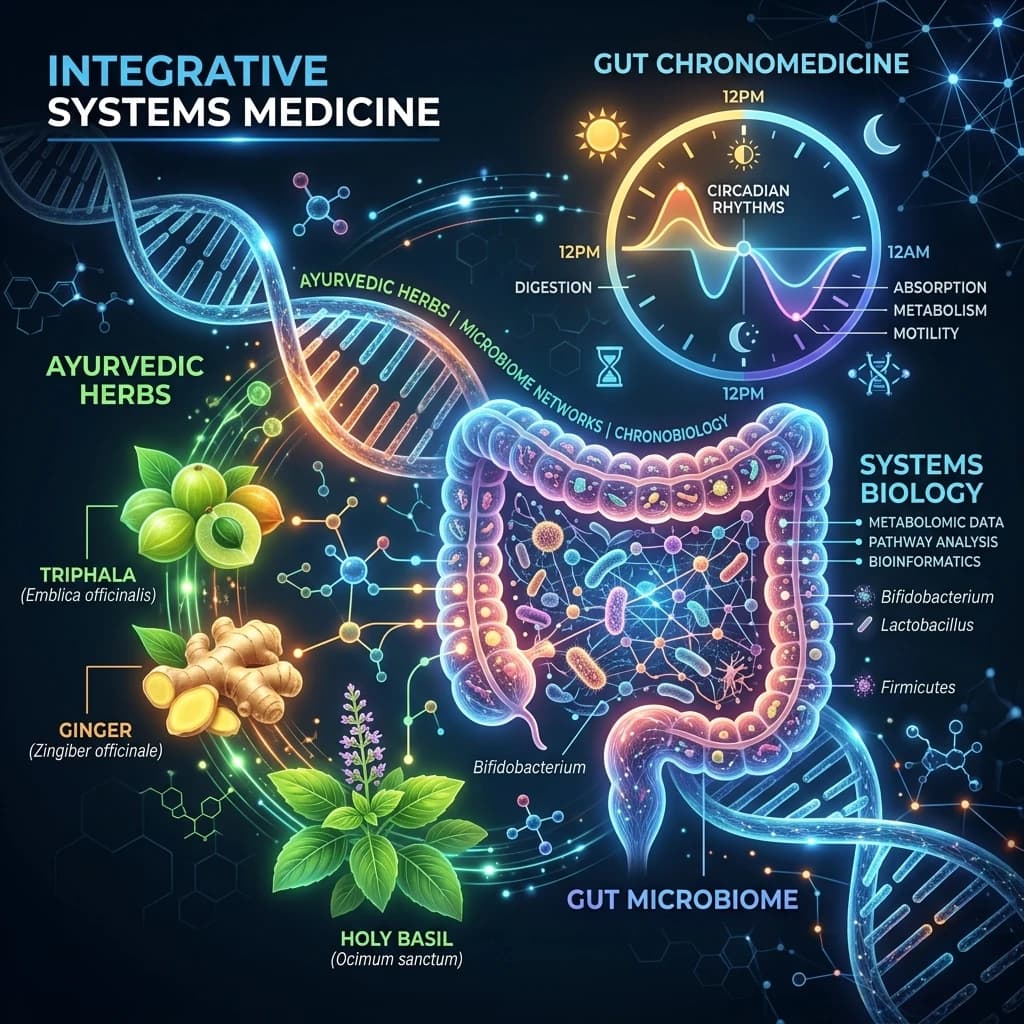
Ayurveda Meets Systems Biology: Agni, Chronomedicine, and Botanical Synergy in Modern Clinical Science
Ayurveda Meets Systems Biology: Agni, Chronomedicine, and Botanical Synergy in Modern Clinical Science The 2025–2026 wave of systems biology research has made an unambiguous statement: the three pilla…