Frontiers of Tomorrow: How Agentic AI, Crewed Lunar Missions, and Solar Chemistry are Reshaping 2026
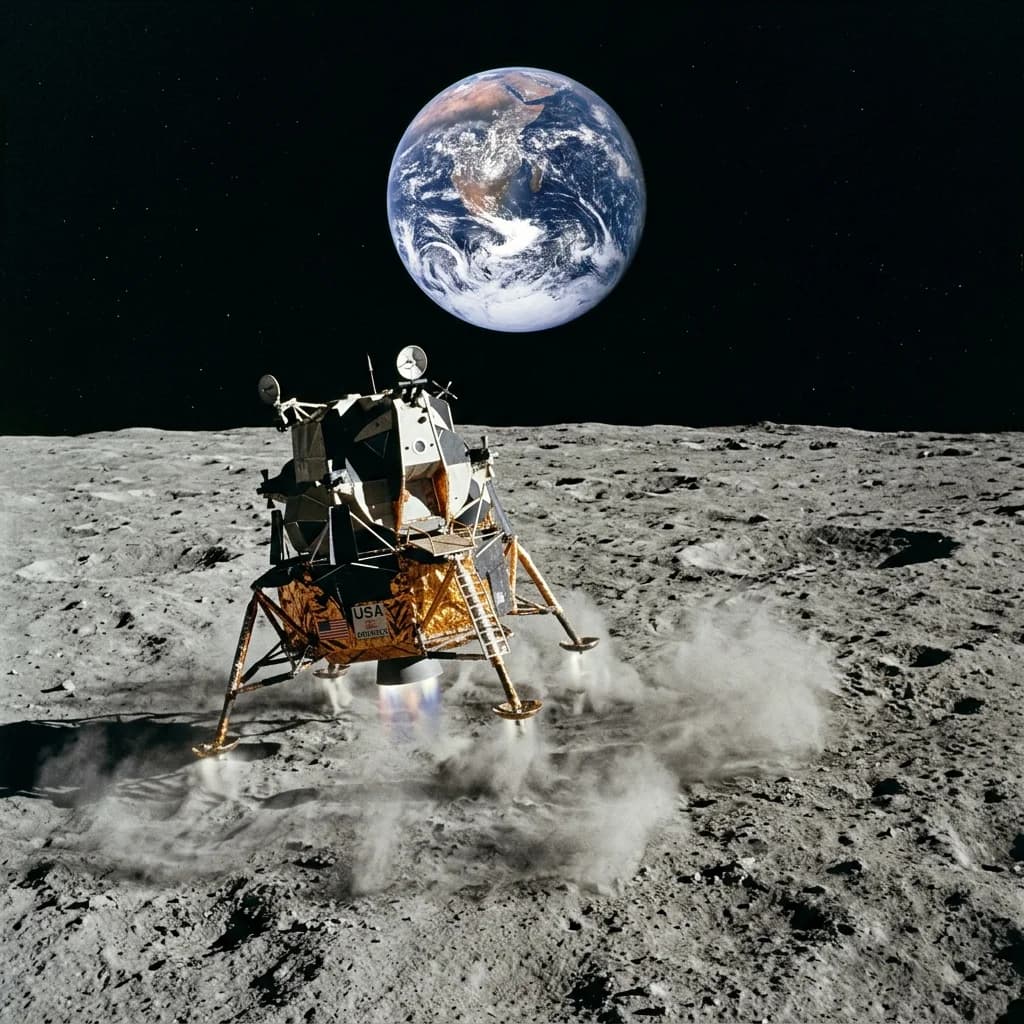
Frontiers of Tomorrow: How Agentic AI, Crewed Lunar Missions, and Solar Chemistry are Reshaping 2026
As we cross the midpoint of 2026, the boundaries of human capability are expanding at an unprecedented rate. Across laboratories, launchpads, and server farms, three major sectors—Artificial Intelligence, Space Exploration, and Renewable Energy—are not merely evolving; they are converging to redefine the technological landscape of the decade.
Here is a synthesized look at the breakthroughs and news shaping these frontiers as of June 2026.
1. The Agentic AI Era: Autonomous Workflows and the 2nm Silicon Frontier
Artificial intelligence has officially transitioned from the era of passive, conversational copilots to the era of Autonomous Agentic Systems. Rather than waiting for prompt-by-prompt guidance, the latest systems are designed to operate independently across complex software environments, managing workflows and self-optimizing in real-time.
Key Milestones in AI & Computing:
- Enterprise Autonomy: Microsoft recently introduced "Scout," a workflow agent designed to coordinate multi-step scheduling and administrative tasks across the Office suite. Concurrently, NVIDIA launched its "Hermes Agents," designed to self-adapt and optimize business logic based on real-time feedback loop outcomes.
- The 2nm Silicon Breakthrough: Underpinning these compute-intensive agents is next-generation hardware. Production has officially begun on AMD's 6th Generation EPYC processors ("Venice"), which represent the first high-performance computing chipsets built using TSMC's cutting-edge 2nm process technology.
- The Sustainability Challenge: This massive compute surge is not without friction. Environmental policy and engineering teams are facing critical hurdles as data center expansion collides with local resources, highlighted by rising water consumption concerns for cooling infrastructure amid regional droughts.
2. Artemis III and the Reusability Milestone in Space Exploration
June 2026 has brought major updates for crewed space flight, planetary science, and the commercial launch economy.
To the Moon and Beyond:
- The Artemis III Crew Unveiled: NASA has officially announced the crew for the historic Artemis III mission, targeted for 2027. Led by Commander Randy Bresnik (NASA) and Pilot Luca Parmitano (ESA), along with Mission Specialists Andre Douglas and Frank Rubio, the crew will focus on critical orbital docking and rendezvous procedures with human landing systems developed by SpaceX and Blue Origin.
- SpaceX Pushes Reusability to 34 Flights: Demonstrating unmatched operational tempo, SpaceX launched another suite of Starlink satellites on June 11. The Falcon 9 first stage completed its 34th successful flight and recovery, setting a staggering record for hardware reuse. This milestone comes amid intense financial speculation surrounding SpaceX’s highly anticipated debut IPO on the NASDAQ.
- End of an Era for MAVEN: On Mars, NASA officially concluded the MAVEN (Mars Atmosphere and Volatile Evolution) mission after communication could not be restored following a signal loss in late 2025. MAVEN leaves behind a decade-long legacy of atmospheric data vital for future crewed missions to the Red Planet.
3. The Renewable Surge: Battery-Free Solar Chemistry and Efficiency Records
Energy demands from advanced computing are driving rapid innovation in green energy, resulting in remarkable breakthroughs in both chemistry and infrastructure investment.
Clean Energy Breakthroughs:
- Battery-Free Artificial Photosynthesis: Researchers at Osaka Metropolitan University have developed a breakthrough electrolyzer that performs artificial photosynthesis without battery-based regulation. By using a self-regulating electrical design, the system automatically stabilizes solar fuel (formic acid) production despite fluctuating sunlight.
- Perovskite Solar Efficiencies: Solar cell efficiency has achieved a new benchmark, with perovskite-silicon tandem cells reaching 31.25% efficiency in collaborative projects led by EPFL and CSEM, pushing far beyond the theoretical limits of traditional silicon-only panels.
- Policy & Infrastructure: Global policy is scaling to match these innovations. The European Commission recently approved a massive €23 billion Italian State aid scheme aimed at adding over 37 GW of renewable capacity. Meanwhile, India has risen to the rank of third globally in installed renewable energy capacity, rapidly meeting its milestone of 50% non-fossil cumulative electric capacity.
Conclusion: A Convergent Future
The breakthroughs of June 2026 reveal a clear pattern: the technologies of tomorrow are deeply interdependent. Next-generation, battery-free chemistry is poised to power the massive data centers required by Agentic AI, while those same AI agents are used to model the aerodynamics and trajectory computations for crewed lunar voyages. As we look forward, the synergy between computation, space travel, and sustainability will continue to accelerate, bringing us closer to a truly post-industrial, interplanetary future.
Enjoyed this post?
Get our weekly digest delivered free.
Share this post:
📌 Disclosure: This post may contain affiliate links. If you make a purchase through our links, we may earn a commission at no extra cost to you. We only recommend products we believe in. See our Affiliate Disclosure.
Related Posts

U.S. Launches Major Night Strikes on 90 Targets in Iran as Ceasefire Declared Over
Breaking: U.S. Launches Major Night Strikes on 90 Targets in Iran as Ceasefire Declared Over Last updated: 2026-07-09 11:15 IST The United States military has launched a massive wave of airstrikes tar…
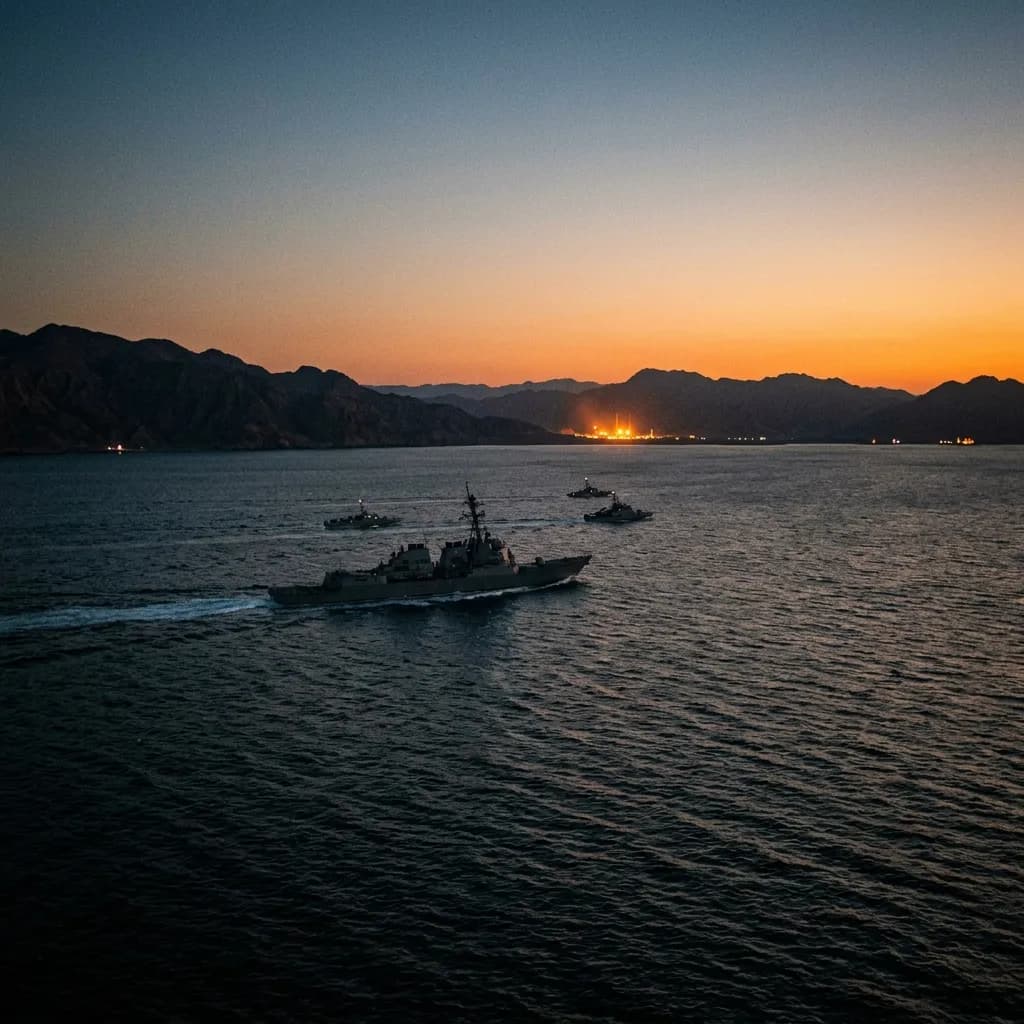
U.S.-Iran Ceasefire Collapses Amid Persian Gulf Military Strikes
Breaking: U.S.-Iran Ceasefire Collapses Amid Persian Gulf Military Strikes Last updated: 2026-07-08 22:30 IST The fragile ceasefire between the United States and Iran has collapsed after a series of m…
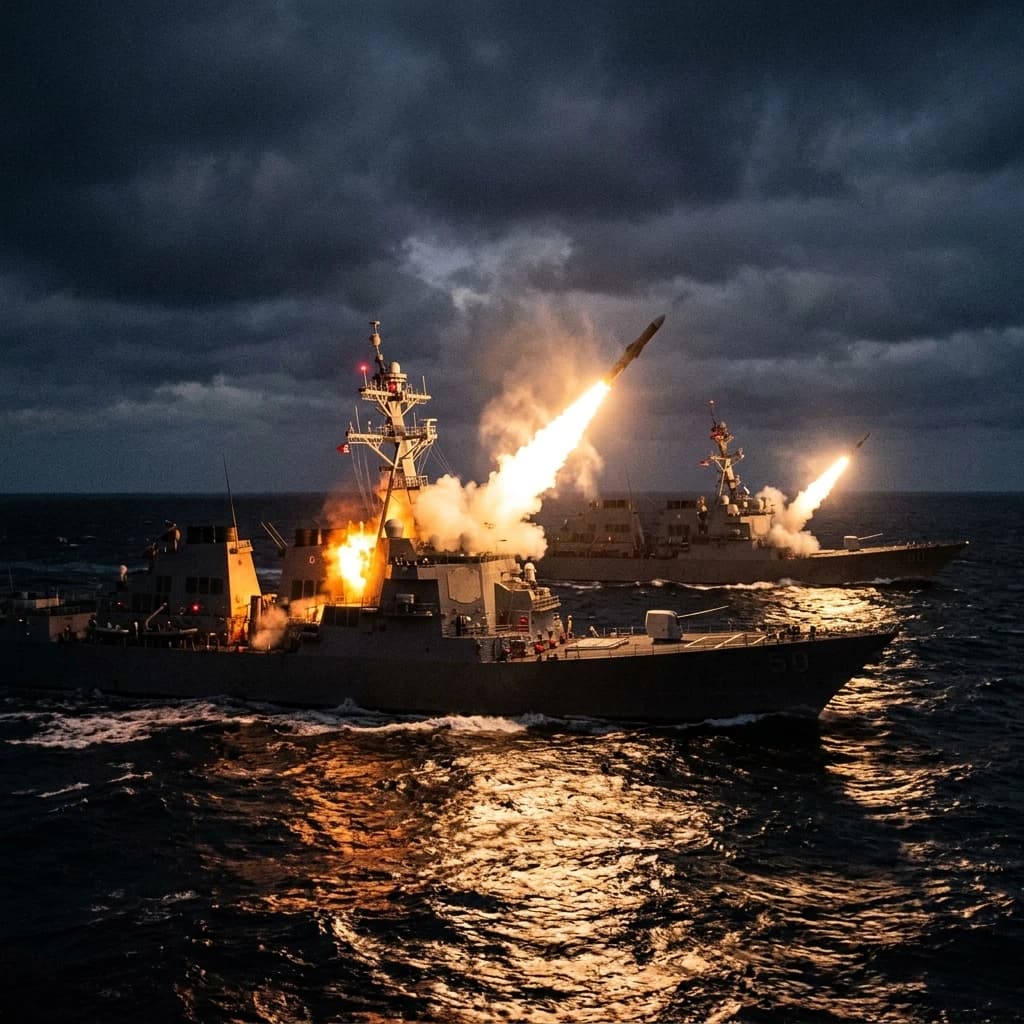
Breaking: US Launches Massive Strikes on 80 Iran Sites; Tehran Retaliates Against US Bases in Bahrain and Kuwait
Breaking: US Launches Massive Strikes on 80 Iran Sites; Tehran Retaliates Against US Bases in Bahrain and Kuwait Last updated: 2026-07-08 17:20 IST On July 8, 2026, the United States Central Command (…