G7 Summit Diplomacy, The Social Media News Era, and KAIST's Micro-Channel Silicon Cooling: The June 16, 2026 Update
G7 Summit Diplomacy, The Social Media News Era, and KAIST's Micro-Channel Silicon Cooling: The June 16, 2026 Update
As mid-June 2026 unfolds, the global political, digital, and scientific landscapes are undergoing a profound structural realignment. Today's major developments reflect a shift from unilateral friction to systemic integration, alongside a parallel trend of states asserting greater control over digital territories. Whether through historic peace pacts reopening vital maritime corridors, nations adapting to a new media landscape where video platforms dominate information dissemination, or breakthroughs in semiconductor cooling to keep up with the computational demands of the AI era, the global arena is adapting to a more regulated, cyber-physical reality.
Here is a synthesized analysis of the major breakthroughs and market-defining shifts as of June 16, 2026.
1. Geopolitical Resets: The G7 Summit and US-Iran Strait of Hormuz De-escalation
In international diplomacy, efforts to stabilize trade routes and manage regional conflicts have culminated in high-level summits and landmark agreements, even as multilateral coalitions reinforce sanctions to check non-aligned shadow networks.
Key Geopolitical and Trade Developments:
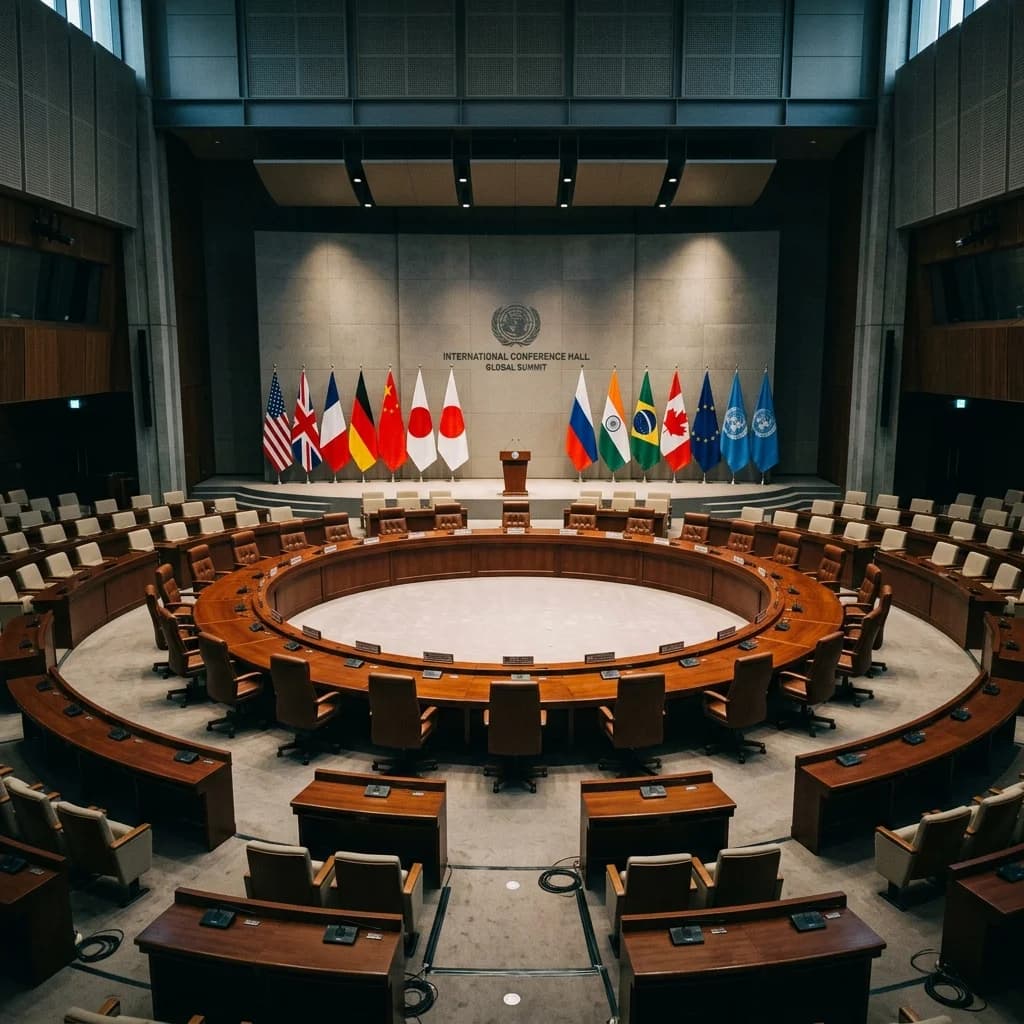
- G7 Summit in Evian-les-Bains: Leaders of the G7 nations convened in France to address critical security frameworks, focusing on the war in Ukraine and ongoing instability in the Middle East. Ukrainian President Volodymyr Zelenskyy attended the summit in person to coordinate security assistance and defense logistics with allied heads of state.
- US-Iran Virtual Accord and Shipping Corridors: A virtual peace agreement between the United States and Iran has begun to shape maritime logistics, with reports indicating that commercial oil tankers are starting to move through the strategic Strait of Hormuz. Despite the initial de-escalation, significant diplomatic friction remains. The full text of the agreement has not been published, leading to differing interpretations in Washington and Tehran, while Israel has maintained its security posture in Lebanon regardless of the accord.
- EU Shadow Fleet Sanctions & Accession Talks: In tandem with G7 efforts, the European Union has adopted new targeted measures against the "shadow fleet" of tankers bypassing oil price caps. Crucially, the EU has also formally initiated accession negotiations with Ukraine, marking a major geopolitical step toward integrating the nation into the European economic block.
2. Societal and Media Shifts: Social Media Eclipses TV and the 2026 FIFA World Cup
The pathways through which human society communicates and entertains itself are shifting permanently, as decentralized digital platforms overtake legacy broadcast infrastructure and international sporting events bring global communities together.
Key Digital Media and Cultural Trends:
- Reuters Institute 2026 Digital News Report: In a milestone for the global media landscape, the Reuters Institute's annual report has confirmed that social media and video platforms have officially surpassed traditional television and newspapers as the primary global source for news. The report highlights the rapid decline of linear broadcast media, pointing to a permanent generational shift in how citizens consume real-time information.
- 2026 FIFA World Cup Progress: The global soccer tournament is in full swing, capturing massive worldwide attention. Recent matches have shown intense competition and parity, featuring a hard-fought 1-1 draw between Saudi Arabia and Uruguay, and a 2-2 draw between Iran and New Zealand.
3. Technological Frontiers: KAIST's Micro-Channel Silicon Cooling and the 2026 Tang Prize
As computation scales to meet consumer and industrial demand, its physical footprint is reshaping local climates, even as biological researchers map new ways to reverse cellular decay and astronomical forums explore the cosmos.
Key Science, Tech, and Environmental Indicators:
- KAIST Semiconductor Chip Liquid-Cooling Breakthrough: Researchers at the Korea Advanced Institute of Science and Technology (KAIST) have developed a groundbreaking cooling technology that embeds channels thinner than a human hair directly into silicon chips. Capable of cooling high-heat-flux chips exceeding 2,000 W/cm² using room-temperature water, this micro-channel design represents a major step forward in addressing the severe power and thermal bottlenecks plaguing modern AI data centers.
- 2026 Tang Prize in Biopharmaceutical Science: The prestigious Tang Prize was awarded to Steven A. Rosenberg, Michel Sadelain, and Carl H. June for their pioneering contributions to cancer immunotherapy. Their development of Tumor-Infiltrating Lymphocytes (TIL) and Chimeric Antigen Receptor T-cell (CAR-T) therapies has revolutionized oncology, providing functional cures for previously untreatable blood cancers and solid tumors.
- AAS 248th Meeting and X-ray Astronomy: The American Astronomical Society is holding its 248th meeting in Pasadena, California. High-level symposia on June 16 focused on gravitational wave detections, high-energy MeV gamma-ray surveys, and the status of the "NewAthena" space observatory, highlighting new collaboration frameworks in space science.
Conclusion: The Computational and Diplomatic Loop
The events of June 16, 2026, demonstrate that geopolitical stability, digital communication, and deep-tech innovation are intrinsically linked. The opening of the Strait of Hormuz under the virtual US-Iran accord helps stabilize the energy and transport costs essential for manufacturing semiconductors and deploying advanced server infrastructure. At the same time, the transition of news consumption to video and social media platforms drives massive computational demands, which require breakthrough cooling technologies like KAIST's micro-channel silicon designs to keep data centers efficient and prevent grid overload. Balancing the borderless potential of tech innovation with the physical realities of energy constraints and the rigid boundaries of state security remains the defining challenge of the mid-2026 landscape.
Enjoyed this post?
Get our weekly digest delivered free.
Share this post:
📌 Disclosure: This post may contain affiliate links. If you make a purchase through our links, we may earn a commission at no extra cost to you. We only recommend products we believe in. See our Affiliate Disclosure.
Related Posts
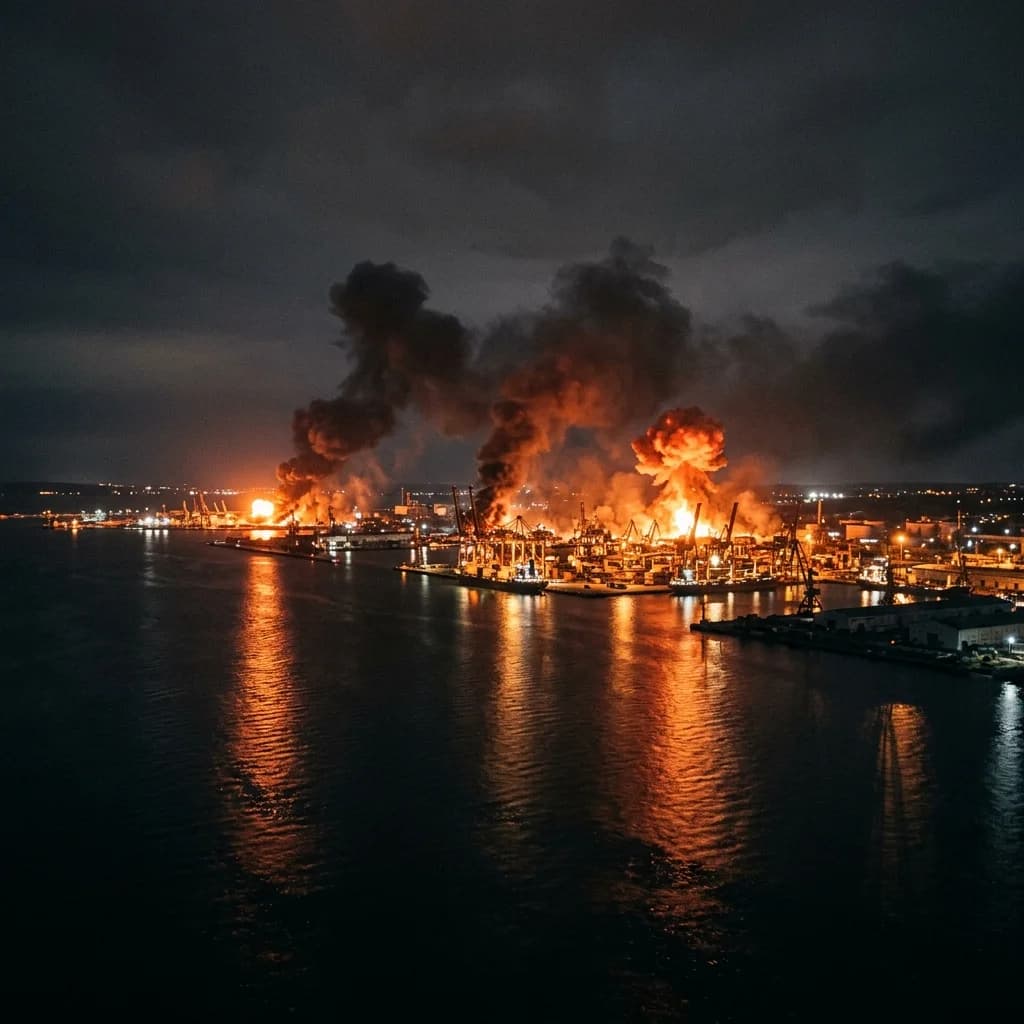
U.S. Launches Major Night Strikes on 90 Targets in Iran as Ceasefire Declared Over
Breaking: U.S. Launches Major Night Strikes on 90 Targets in Iran as Ceasefire Declared Over Last updated: 2026-07-09 11:15 IST The United States military has launched a massive wave of airstrikes tar…
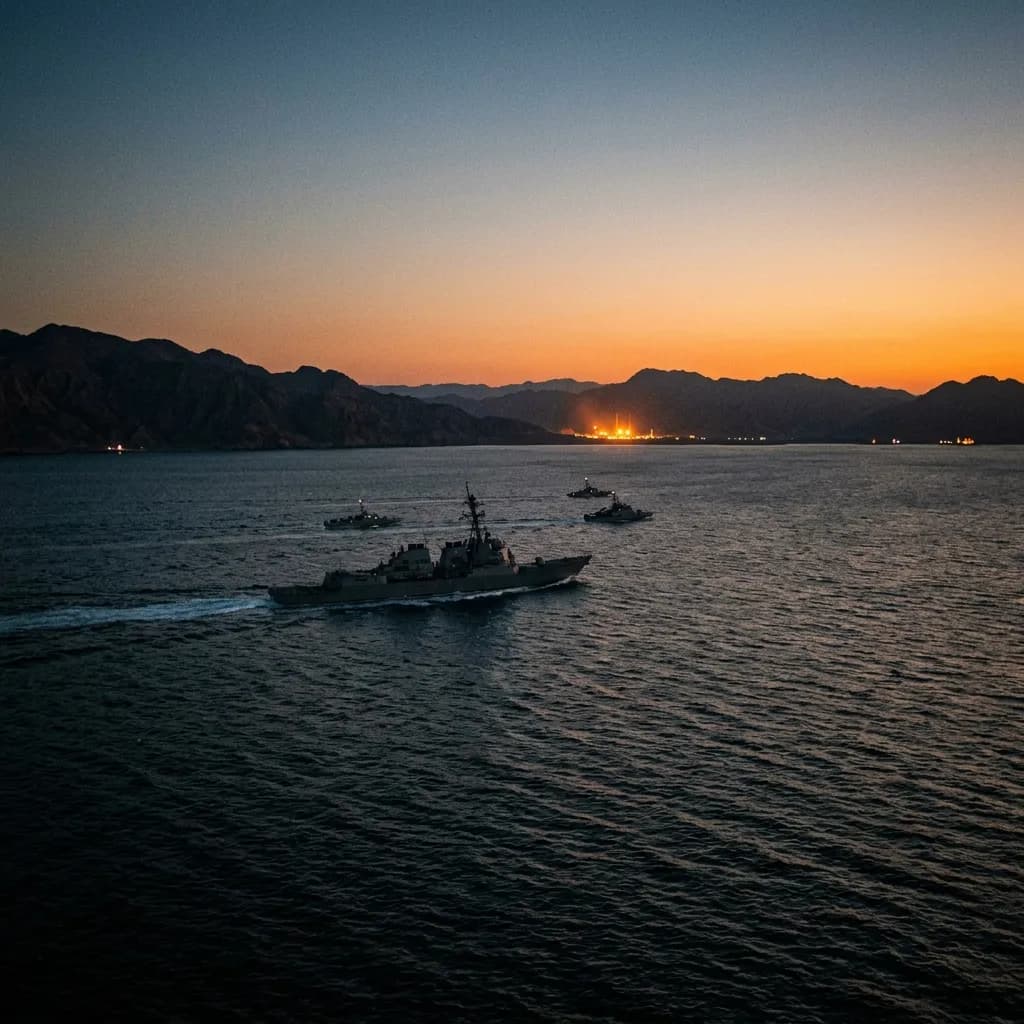
U.S.-Iran Ceasefire Collapses Amid Persian Gulf Military Strikes
Breaking: U.S.-Iran Ceasefire Collapses Amid Persian Gulf Military Strikes Last updated: 2026-07-08 22:30 IST The fragile ceasefire between the United States and Iran has collapsed after a series of m…
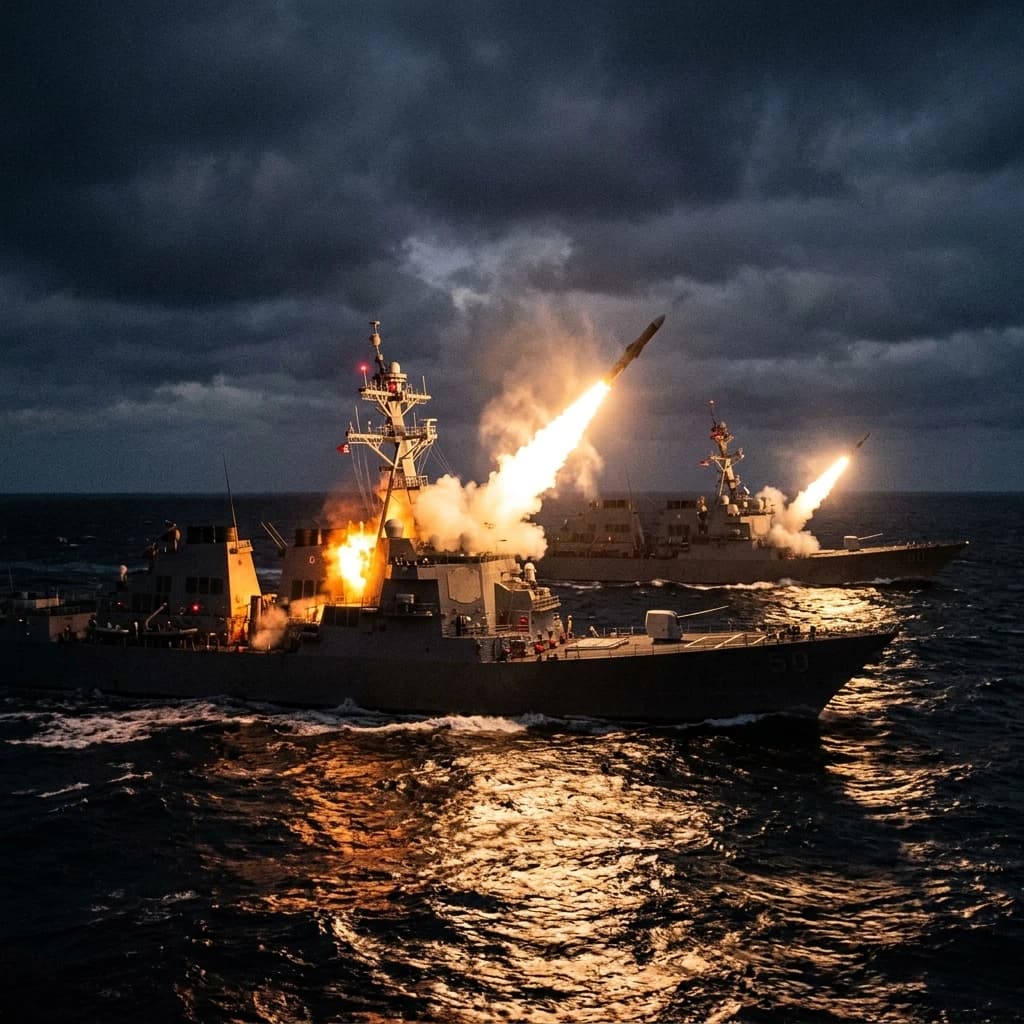
Breaking: US Launches Massive Strikes on 80 Iran Sites; Tehran Retaliates Against US Bases in Bahrain and Kuwait
Breaking: US Launches Massive Strikes on 80 Iran Sites; Tehran Retaliates Against US Bases in Bahrain and Kuwait Last updated: 2026-07-08 17:20 IST On July 8, 2026, the United States Central Command (…