The Orbital Intelligence Frontier: How AI and Space Exploration are Converging in 2026
The Orbital Intelligence Frontier: How AI and Space Exploration are Converging in 2026
As we progress through June 2026, the boundaries between the digital mind and the final frontier are blurring. The rapid evolution of Artificial Intelligence is no longer confined to terrestrial data centers; it is launching into orbit. Conversely, the demands of space exploration are driving new paradigms in edge computing, autonomous robotics, and aerospace economics.
Here is an in-depth analysis of the breakthroughs and structural shifts defining the convergence of AI and space technology in mid-2026.
1. Silicon in the Stars: Space-Based Data Centers and Edge AI Satellites
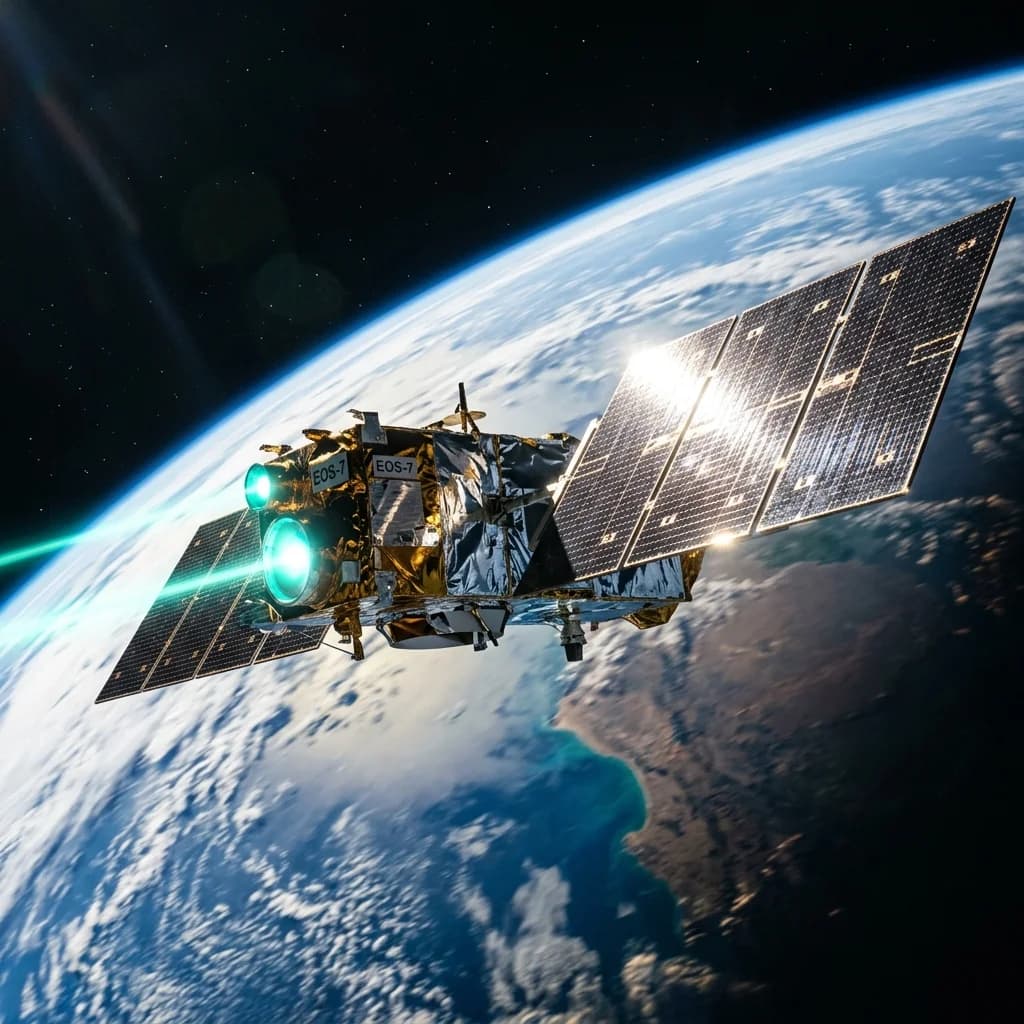
A major paradigm shift is taking place in orbital infrastructure: the transition from satellites as simple communication relays to satellites as decentralized, high-performance edge computing nodes.
Key Developments:
- Orbital Data Constellations: SpaceX has recently generated significant market interest with its blueprint for a constellation of millions of small satellites designed specifically to host space-based data centers. This infrastructure aims to process massive workloads directly in orbit, bypassing the bandwidth bottlenecks of downlinking raw data to Earth.
- Onboard Edge AI: Modern satellites are increasingly designed as platform technologies equipped with specialized AI chipsets. These onboard systems enable real-time image processing, automated target tracking, and dynamic constellation self-optimization.
- Autonomous Operations: By shifting processing to the edge, satellites can autonomously detect orbital debris and execute collision avoidance maneuvers without waiting for ground control commands, reducing reaction times from hours to milliseconds.
2. The Algorithmic Astronomer: AI as a Partner in Cosmological Discovery
In the realm of scientific research, AI has transitioned from a data-processing tool to an active partner in cosmological discovery.
Breakthroughs & Limitations:
- Transfer Learning in Cosmology: Researchers are training sophisticated machine learning models on massive, high-fidelity cosmological simulations. Using transfer learning, these systems can analyze real-world observations from deep-space telescopes, accelerating the mapping of dark matter and the discovery of new physical phenomena.
- The Overconfidence Challenge: A critical caveat has emerged in human-AI collaboration. Scientists note that AI models can become overly confident in recognizing familiar patterns, occasionally ignoring or misclassifying subtle anomalies that do not fit their training data.
- Hybrid Systems: To safeguard serendipitous discovery—the traditional driver of astronomical breakthroughs—research teams are deploying hybrid systems. These systems flag anomalous data points for human review, combining the speed of AI with human intuition and curiosity.
3. Humanoid Companions and Deep-Space Autonomy
As missions target longer durations and greater distances, the role of robotics and autonomous operations is expanding.
Milestones in Autonomy:
- India's Vyommitra Humanoid: India’s Gaganyaan programme has made significant strides with the integration of Vyommitra, a humanoid robot designed to perform microgravity experiments and test life-support systems ahead of crewed orbital flights.
- Operational Autonomy: For deep-space missions where communication latency to Earth spans minutes or hours, spacecraft must manage themselves. AI is now responsible for real-time telemetry analysis, power grid management, and life-support regulation.
- Crew Assistants: Large language models and multimodal agents are being adapted as interactive crew assistants, allowing astronauts to query complex spacecraft manuals and troubleshoot systems using natural language.
4. The NewSpace Economy: IPOs, Venture Capital, and Regulation
The technological convergence of AI and space exploration is reshaping the financial and regulatory landscape of the aerospace sector.
Economic & Policy Shifts:
- Market Expansion: The global market for AI in space exploration is projected to reach $23.52 billion by 2030, driven by rapid private sector investment and the commercialization of low-Earth orbit (LEO).
- SpaceX IPO Speculation: Anticipation continues to build around SpaceX's potential IPO on the NASDAQ. Investors view the company not just as a launch provider, but as the primary infrastructure layer for the orbital internet and space-based AI computing.
- Regulatory Compliance: As autonomous systems take control of critical space infrastructure, safety and transparency are paramount. The European Union's AI Act is beginning to influence space technology developers globally, setting new standards for the explainability, bias mitigation, and safety verification of AI systems operating in orbit.
Conclusion: Toward an Intelligent Cosmos
The breakthroughs of mid-2026 demonstrate that the space race is no longer just about rockets, fuels, and materials; it is increasingly defined by code, models, and compute. The integration of AI into orbital systems, scientific research, and deep-space missions is laying the groundwork for a highly autonomous, intelligent space infrastructure. As we look to the end of the decade, the synergy between artificial intelligence and space exploration will be the primary engine driving humanity's expansion into the solar system.
Enjoyed this post?
Get our weekly digest delivered free.
Share this post:
📌 Disclosure: This post may contain affiliate links. If you make a purchase through our links, we may earn a commission at no extra cost to you. We only recommend products we believe in. See our Affiliate Disclosure.
Related Posts

U.S. Launches Major Night Strikes on 90 Targets in Iran as Ceasefire Declared Over
Breaking: U.S. Launches Major Night Strikes on 90 Targets in Iran as Ceasefire Declared Over Last updated: 2026-07-09 11:15 IST The United States military has launched a massive wave of airstrikes tar…

U.S.-Iran Ceasefire Collapses Amid Persian Gulf Military Strikes
Breaking: U.S.-Iran Ceasefire Collapses Amid Persian Gulf Military Strikes Last updated: 2026-07-08 22:30 IST The fragile ceasefire between the United States and Iran has collapsed after a series of m…
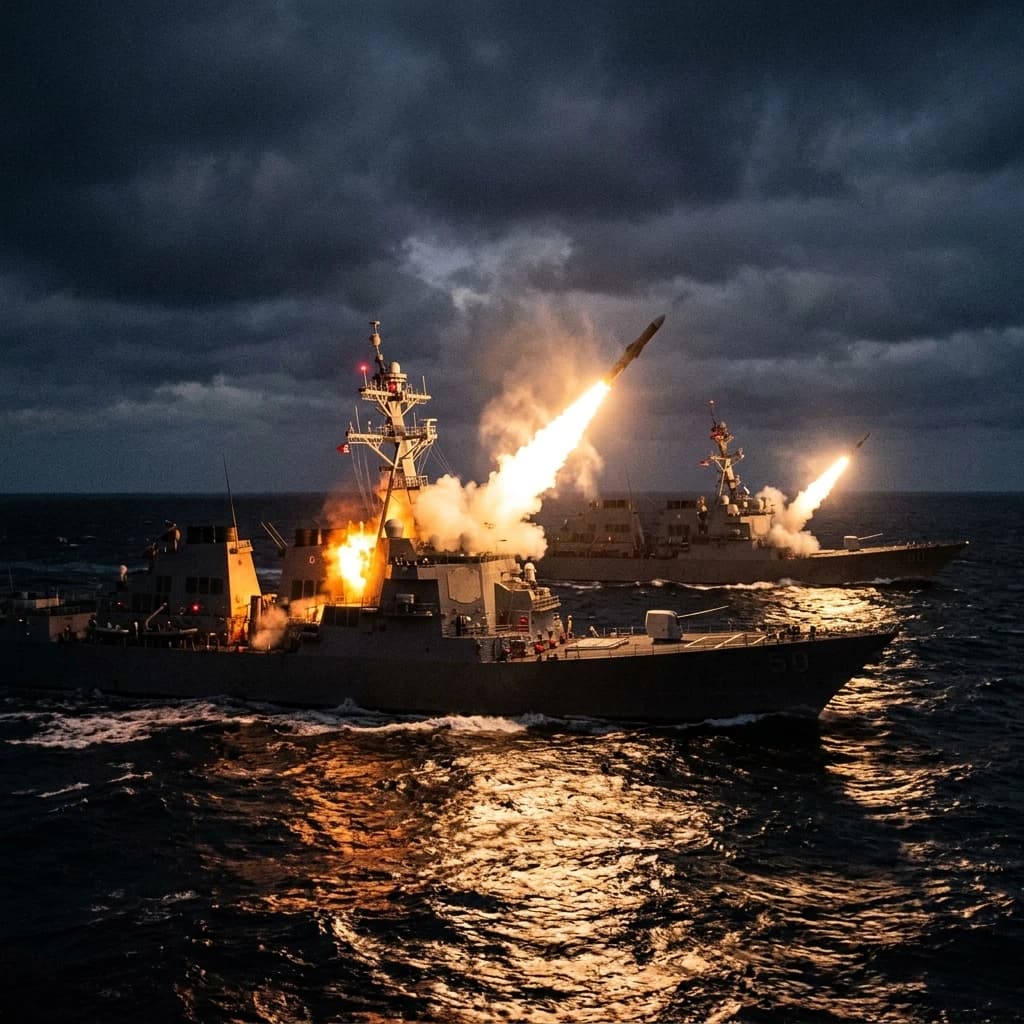
Breaking: US Launches Massive Strikes on 80 Iran Sites; Tehran Retaliates Against US Bases in Bahrain and Kuwait
Breaking: US Launches Massive Strikes on 80 Iran Sites; Tehran Retaliates Against US Bases in Bahrain and Kuwait Last updated: 2026-07-08 17:20 IST On July 8, 2026, the United States Central Command (…