Global Resets: US-Iran Swiss Breakthrough, WEF 2026 Tech, and the Energy Divide
Global Resets: US-Iran Swiss Breakthrough, WEF 2026 Tech, and the Energy Divide
As June 24, 2026 unfolds, a series of geopolitical, technological, and environmental developments are restructuring our shared international landscape. From the quiet conference halls of Switzerland to the frontiers of physical technology and the stark reality of the global energy gap, the forces of tomorrow are colliding with the challenges of today. Here are the three major stories redefining global paradigms.
🌍 Diplomatic Milestones: US-Iran Breakthrough Talks in Switzerland
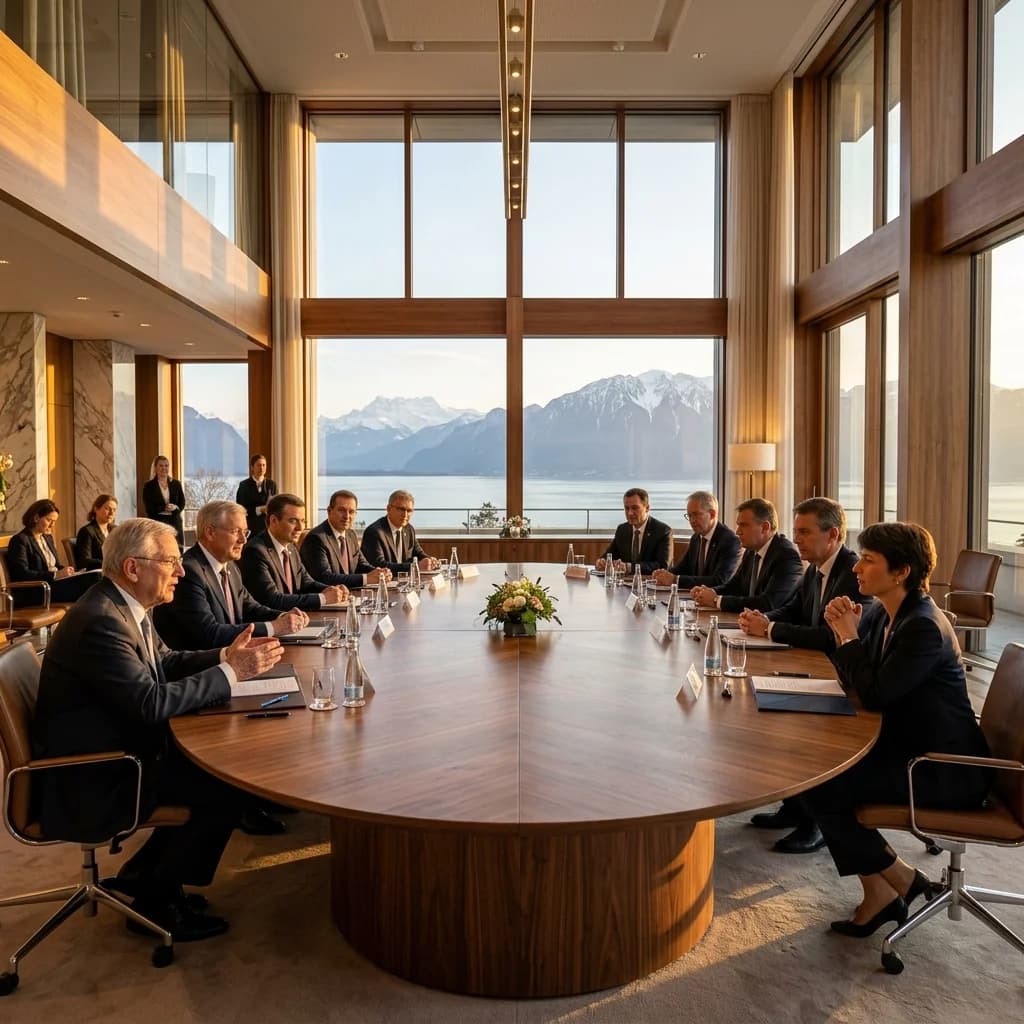
The diplomatic landscape in Western Asia is experiencing a significant shift as a 60-day negotiation period gets underway in Switzerland. Aimed at formalizing a long-term memorandum of understanding between the United States and Iran, initial sessions have yielded substantial progress. Sources close to the talks indicate that negotiators are close to an interim agreement that could stabilize one of the world's most volatile regions.
Key pillars of the emerging framework include a targeted waiver of select U.S. oil sanctions in exchange for strict regional de-escalation measures. Most notably, the proposed plan includes the establishment of a joint "de-confliction cell." This institutional mechanism is intended to facilitate direct communication channels and coordinate diplomacy aimed at bringing an end to the destructive conflict in Lebanon, representing the most concrete peace effort in the region in years.
While hardliners on both sides remain skeptical, the Swiss-brokered channel has injected a rare sense of optimism into international diplomacy. If finalized, the agreement could reopen crucial energy shipping lanes, ease global market anxieties, and mark a new chapter of pragmatic engagement between the two adversaries.
🔬 Tech Frontiers: WEF Announces Top 10 Emerging Technologies of 2026
The World Economic Forum (WEF), in collaboration with Frontiers, has published its highly anticipated "Top 10 Emerging Technologies of 2026" report. This year’s analysis signals a profound shift in global innovation, moving away from pure software and digital AI platforms toward "physical system" breakthroughs that directly address tangible world problems.
Among the primary technologies highlighted is "everything-to-grid" energy integration, which enables decentralized power networks to dynamically share battery capacity from electric vehicles, smart homes, and local solar arrays. Additionally, direct lithium extraction (DLE) is recognized as a vital environmental breakthrough, offering a cleaner, faster method to source the critical mineral needed for the global battery supply chain without relying on massive, destructive evaporation ponds.
In healthcare, the report highlights the rapid maturation of personalized mRNA cancer vaccines, which are currently undergoing advanced human trials. By training the immune system to target patient-specific tumor mutations, these vaccines represent a transition from generic therapies to precision medicine. Collectively, these technologies highlight how the physical and digital worlds are merging to build more resilient infrastructures.
⚡ Energy Access: The Growing Global Electrification Gap
A sobering joint report released on June 24, 2026, by the United Nations, the World Bank, and the International Energy Agency (IEA), has revealed that 655 million people worldwide still live completely without access to electricity. The report warns that global progress toward universal energy access has stalled, driven by economic instability, regional conflicts, and lagging infrastructural investment in developing regions.
Sub-Saharan Africa remains the hardest-hit region, accounting for the vast majority of the unelectrified population. Rapid population growth in these areas has outpaced new grid connections, meaning that despite localized solar developments, the absolute number of people living in darkness has actually increased in several nations.
To meet the UN’s Sustainable Development Goal 7—universal access to affordable, reliable, and modern energy by 2030—the report calls for an immediate tripling of global electrification efforts. Achieving this target will require massive public-private partnerships, decentralized off-grid solar systems, and a dramatic increase in international climate finance directed toward emerging economies.
📌 The Bottom Line
- geopolitics: The Swiss-brokered US-Iran talks represent a rare diplomatic breakthrough with concrete steps toward a de-confliction cell and Lebanese peace.
- technology: The WEF 2026 report marks a transition from software-only AI to physical tech innovations, including smart grids, sustainable mining, and mRNA vaccines.
- markets: Stalled energy access for 655 million people underscores a widening global divide, requiring a tripling of electrification investments by 2030.
Enjoyed this post?
Get our weekly digest delivered free.
Share this post:
📌 Disclosure: This post may contain affiliate links. If you make a purchase through our links, we may earn a commission at no extra cost to you. We only recommend products we believe in. See our Affiliate Disclosure.
Related Posts
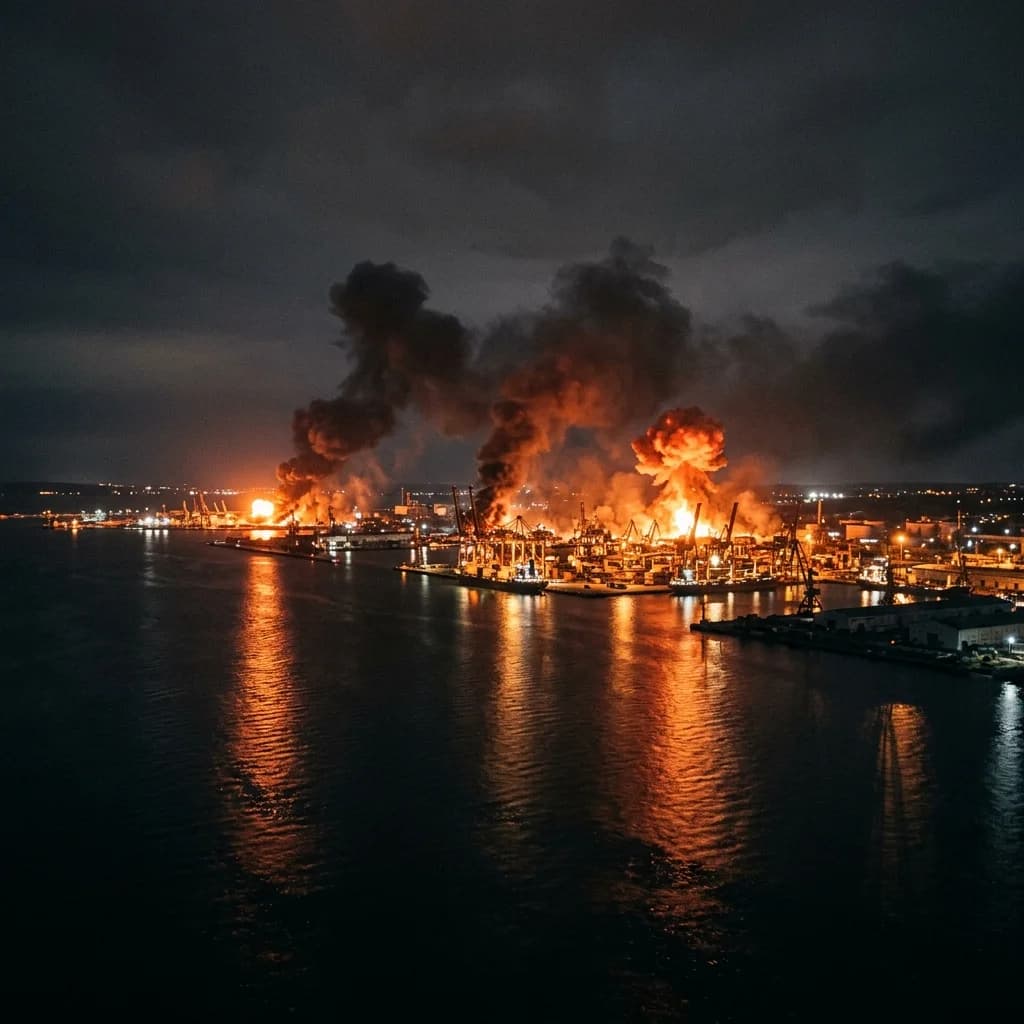
U.S. Launches Major Night Strikes on 90 Targets in Iran as Ceasefire Declared Over
Breaking: U.S. Launches Major Night Strikes on 90 Targets in Iran as Ceasefire Declared Over Last updated: 2026-07-09 11:15 IST The United States military has launched a massive wave of airstrikes tar…

U.S.-Iran Ceasefire Collapses Amid Persian Gulf Military Strikes
Breaking: U.S.-Iran Ceasefire Collapses Amid Persian Gulf Military Strikes Last updated: 2026-07-08 22:30 IST The fragile ceasefire between the United States and Iran has collapsed after a series of m…

Breaking: US Launches Massive Strikes on 80 Iran Sites; Tehran Retaliates Against US Bases in Bahrain and Kuwait
Breaking: US Launches Massive Strikes on 80 Iran Sites; Tehran Retaliates Against US Bases in Bahrain and Kuwait Last updated: 2026-07-08 17:20 IST On July 8, 2026, the United States Central Command (…