Hormuz Security Dialogues, June Ocean Heat Records, and WhatsApp Usernames
Hormuz Security Dialogues, June Ocean Heat Records, and WhatsApp Usernames
Geopolitical diplomacy, environmental changes, and privacy-centric technology are redefining global landscapes today. In West Asia, indirect negotiations between the United States and Iran have resumed in Doha, while Indian Prime Minister Narendra Modi and Iranian President Masoud Pezeshkian have engaged in bilateral talks to secure transit through the Strait of Hormuz. Meanwhile, the European Union's Copernicus Marine Service has confirmed that June 2026 has shattered ocean temperature records, heightening concerns over extreme global weather anomalies. Concurrently, WhatsApp has officially initiated the global rollout of usernames, introducing a major upgrade to user privacy in mobile messaging.
🌍 Geopolitics: US-Iran Doha Mediation Resumes as India-Iran Align on Hormuz Transit Security
In a significant diplomatic development, indirect talks between the United States and Iran have resumed in Doha under Qatari mediation. The negotiations follow a recently drafted Memorandum of Understanding (MoU) aimed at establishing a framework to de-escalate tensions and halt ongoing regional conflicts. The resumption of talks represents a renewed push by international mediators to find a diplomatic resolution to long-standing disputes, focusing on regional stability, security arrangements, and sanctions relief. Qatari officials have emphasized the importance of sustained dialogue to prevent further escalation in the volatile West Asian corridor.
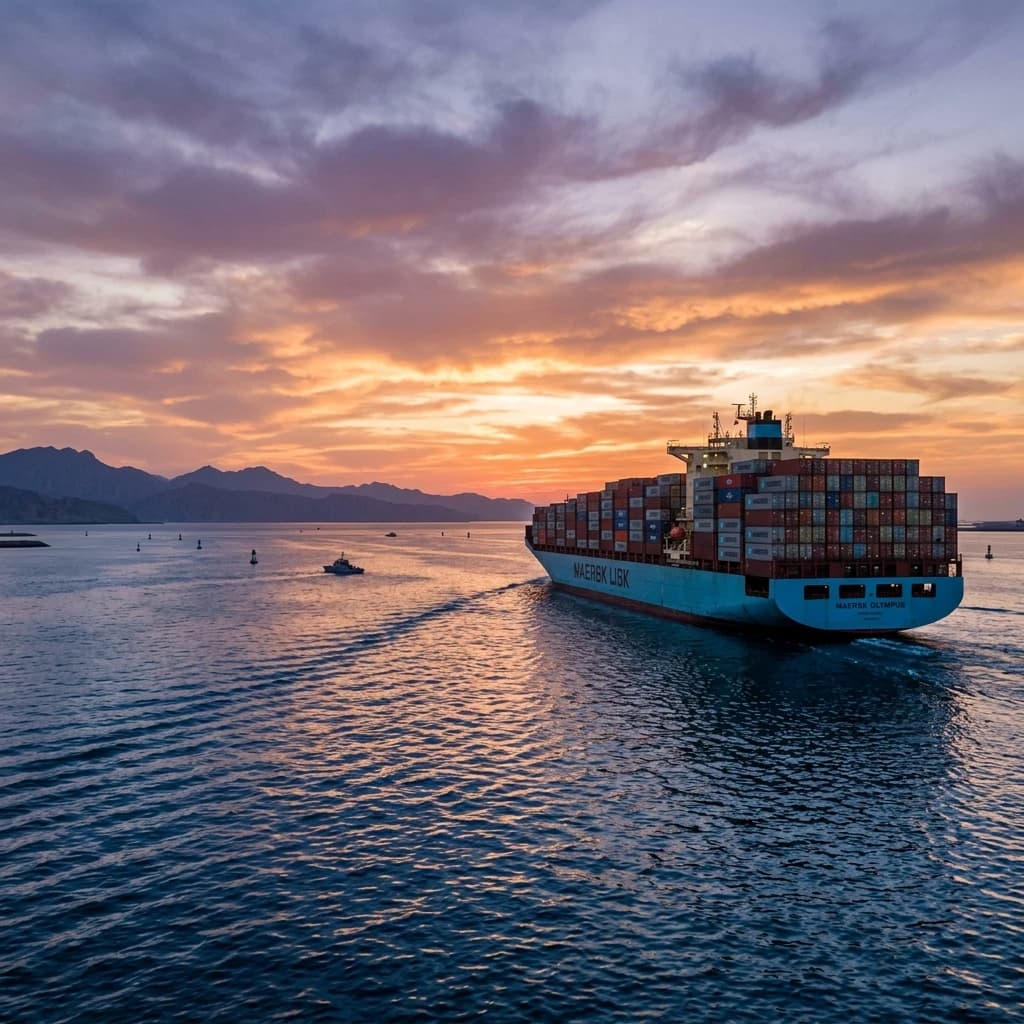
Simultaneously, Indian Prime Minister Narendra Modi held a bilateral meeting with Iranian President Masoud Pezeshkian to address critical maritime security and trade issues. The leaders focused on the strategic importance of ensuring the freedom of navigation and security of commercial transit through the Strait of Hormuz, a vital chokepoint for global energy supplies. Prime Minister Modi stressed that maintaining peace and stability in the region is essential for global economic security, while President Pezeshkian welcomed India's constructive engagement in regional transport infrastructure, including the joint development of the Chabahar Port.
This coordinated diplomatic outreach highlights the growing consensus among regional powers on the necessity of securing key maritime trade routes. The security of the Strait of Hormuz is closely linked to global energy markets, and any disruption could lead to significant spikes in crude oil prices. As negotiations continue in Doha and bilateral dialogues strengthen, the international community remains cautiously optimistic about the prospects of a lasting peace framework in the region.
🌡️ Climate: Global Oceans Face Record-Breaking June Heat as Copernicus Warns of El Niño Shift
Scientists at the European Union's Copernicus Marine Service have reported that global sea surface temperatures reached a historic average of 20.98°C in June 2026, marking it as the hottest June on record. The unprecedented thermal anomaly has raised alarm bells among climatologists, who warn that the oceans are entering uncharted territory. The rapid rise in sea surface temperatures is being driven by a combination of long-term global warming trends and the onset of a potentially strong El Niño weather pattern in the Pacific Ocean, which threatens to disrupt global weather patterns for the remainder of the year.
The real-world impacts of this marine heatwave are already being felt across Europe. Spain recorded more than 1,000 heat-related fatalities in June 2026 alone—a figure that has more than doubled compared to the same period last year. Similar extreme temperatures have gripped Italy, Greece, and the wider Balkan region, straining energy grids and raising wildfire risks. Researchers warn that these intense summer heatwaves are becoming more frequent, longer-lasting, and more severe, stating that such thermal extremes would be virtually impossible without the influence of human-induced climate change.
As global ocean heat continues to accumulate, marine ecosystems are facing severe stress, with widespread coral bleaching and disruptions to marine food webs reported in multiple basins. Environmental scientists emphasize that the record temperatures underline the urgent need for coordinated international action to curb greenhouse gas emissions and mobilize climate adaptation finance, particularly as extreme weather events threaten vulnerable communities worldwide.
🔒 Technology: WhatsApp Rolls Out Global Usernames to Revamp Mobile Privacy Dynamics
Meta's WhatsApp has begun rolling out a highly anticipated username feature globally, allowing users to communicate on the platform without sharing their personal phone numbers. The update represents a major shift in WhatsApp's product strategy, aligning it with other privacy-focused messaging applications like Telegram and Signal. Under the new system, users can create a unique, custom username linked to their account, which can be shared with contacts to initiate chats, keeping their phone numbers hidden from public view.
The feature is designed to enhance user privacy, particularly in professional settings, public groups, and online marketplaces where users need to connect with strangers without compromising their personal contact information. WhatsApp has integrated robust search controls, allowing users to decide whether they can be searched by their username, phone number, or both. The platform maintains that all chats initiated via usernames will remain protected by end-to-end encryption, ensuring that only the sender and receiver can access the message content.
While the feature has been widely praised by privacy advocates, cybersecurity experts have raised concerns about the potential for scams, impersonation, and identity fraud during the initial rollout phase. WhatsApp has stated that it is implementing verification measures and anti-abuse systems to prevent malicious actors from registering high-profile usernames or pretending to represent official organizations. Despite these challenges, the global transition to username-based messaging is expected to significantly enhance user control and privacy across the platform's billions of active users.
📌 The Bottom Line
- geopolitics: Resumed US-Iran indirect mediation in Doha and bilateral Modi-Pezeshkian dialogues underscore a renewed regional focus on securing transit through the critical Strait of Hormuz.
- climate: Copernicus Marine Service reports a record-shattering June average sea surface temperature of 20.98°C, coinciding with over 1,000 heat-related deaths in Spain as an El Niño pattern intensifies.
- technology: WhatsApp's global launch of username registration introduces phone-number hiding, significantly upgrading privacy for peer-to-peer mobile messaging.
Enjoyed this post?
Get our weekly digest delivered free.
Share this post:
📌 Disclosure: This post may contain affiliate links. If you make a purchase through our links, we may earn a commission at no extra cost to you. We only recommend products we believe in. See our Affiliate Disclosure.
Related Posts

U.S. Launches Major Night Strikes on 90 Targets in Iran as Ceasefire Declared Over
Breaking: U.S. Launches Major Night Strikes on 90 Targets in Iran as Ceasefire Declared Over Last updated: 2026-07-09 11:15 IST The United States military has launched a massive wave of airstrikes tar…
U.S.-Iran Ceasefire Collapses Amid Persian Gulf Military Strikes
Breaking: U.S.-Iran Ceasefire Collapses Amid Persian Gulf Military Strikes Last updated: 2026-07-08 22:30 IST The fragile ceasefire between the United States and Iran has collapsed after a series of m…
Breaking: US Launches Massive Strikes on 80 Iran Sites; Tehran Retaliates Against US Bases in Bahrain and Kuwait
Breaking: US Launches Massive Strikes on 80 Iran Sites; Tehran Retaliates Against US Bases in Bahrain and Kuwait Last updated: 2026-07-08 17:20 IST On July 8, 2026, the United States Central Command (…