Breaking: U.S. Strike Near Ahvaz Hospital Forces Evacuation of 211 Pediatric Cancer Patients
Breaking: U.S. Strike Near Ahvaz Hospital Forces Evacuation of 211 Pediatric Cancer Patients
Last updated: 2026-07-16 23:45 IST
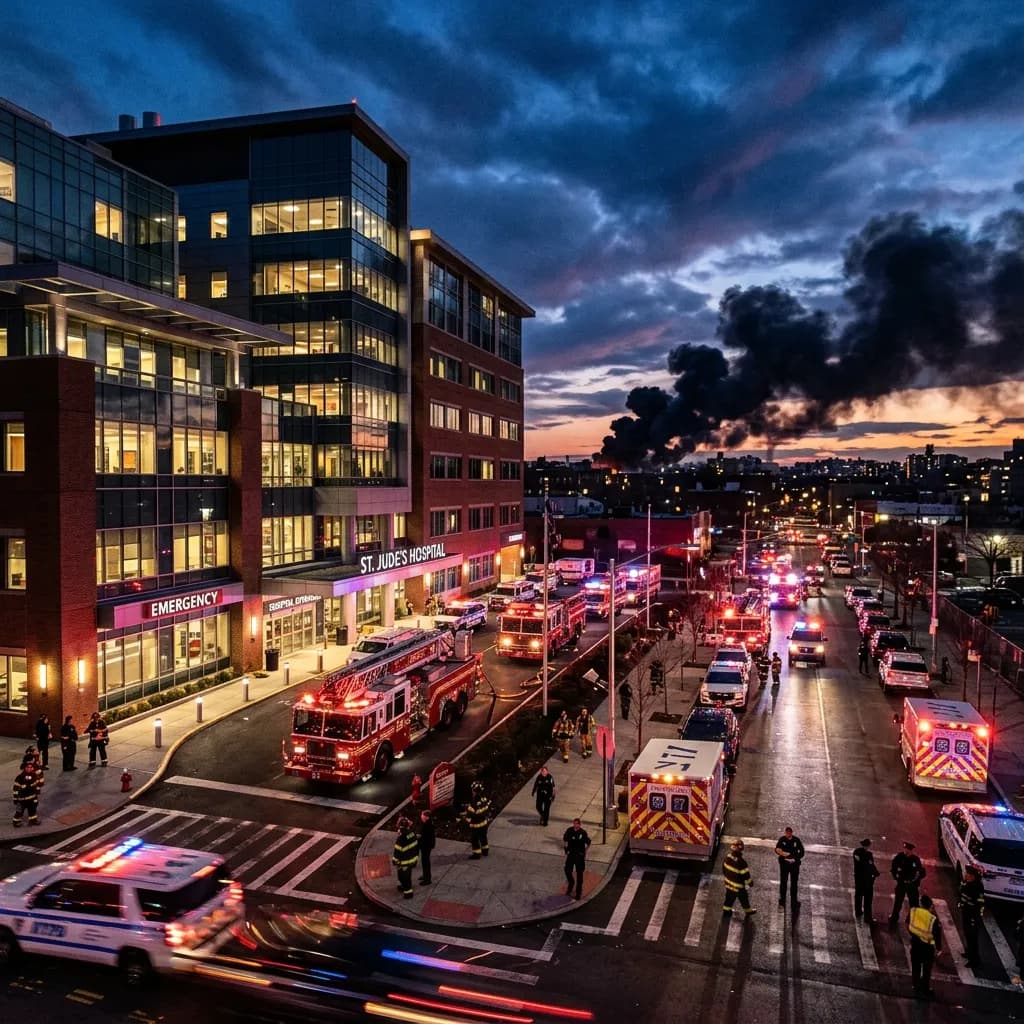
An emergency evacuation of 211 pediatric cancer patients was carried out at the Shahid Baqaei children's cancer hospital in the southwestern Iranian city of Ahvaz, following heavy U.S. airstrikes in the immediate vicinity on the night of July 15, 2026. The incident occurs amid a rapidly escalating military confrontation between the United States and Iran, which has intensified since the collapse of the interim ceasefire earlier this month. While the medical facility did not suffer a direct hit, the blast shockwaves caused significant structural damage and widespread panic among patients and staff.
What Happened
The incident occurred during a coordinated wave of strikes conducted by the United States Central Command (CENTCOM) targeting Iranian military installations in southwestern Iran. According to regional intelligence and local eyewitnesses, the strikes targeted a series of military installations, drone launch pads, and missile storage sites near Ahvaz. The sheer proximity of the detonations to the Shahid Baqaei Hospital caused heavy ground vibrations and shattered windows throughout the pediatric oncology wing.
Following the explosions, hospital administrators and local emergency services organized a rapid evacuation of the facility. A total of 211 children, many undergoing active chemotherapy sessions or dependent on ventilators and oxygen support, had to be moved to temporary shelters and neighboring clinics. Local doctors reported that the sudden disruption to chemotherapy regimens and life-support systems caused critical distress to several high-risk patients.
U.S. Central Command confirmed that it had conducted a series of precision airstrikes against military assets in the region but did not initially address the incident at the Shahid Baqaei Hospital. CENTCOM officials stated that the military targets were chosen to degrade Iran’s offensive capabilities and protect international shipping routes in the Persian Gulf, where a U.S. naval blockade remains in place.
Why It Matters
This confrontation marks a dangerous new chapter in the U.S.-Iran conflict. The imposition of a full naval blockade on Iranian ports by the United States has effectively choked off Iranian maritime trade, leading to retaliatory strikes against U.S. military bases in Jordan, Kuwait, and Bahrain. The escalation threatens to fully close the Strait of Hormuz, the world’s most critical maritime oil transit chokepoint through which approximately 20% of global oil supplies pass daily.
The near-miss of a major pediatric facility raises significant humanitarian concerns and risks hardening diplomatic positions. As both nations exchange direct military blows, the likelihood of a diplomatic resolution has deteriorated, and regional intermediaries like Oman and Switzerland face uphill challenges in de-escalating the crisis. Global energy markets have already reacted sharply to the news of expanded strikes, with crude oil prices spiking due to fears of protracted supply disruptions.
Key Figures & Reactions
- Iranian Foreign Ministry Spokesperson Esmaeil Baqaei: Strongly condemned the incident, labeling it a "barbaric attack" and a "cowardly war crime" that directly threatened the lives of children receiving cancer treatment.
- U.S. Defense Department Spokesperson: Stated that all U.S. strikes are planned with high precision to minimize civilian collateral damage, though CENTCOM did not issue a specific statement addressing the evacuation of the Ahvaz hospital.
- UN Humanitarian Coordinator: Expressed deep alarm over the evacuation of pediatric oncology patients and called on all parties to respect the sanctity of medical facilities under international humanitarian law.
- Indian Ministry of External Affairs: Re-emphasized its call for diplomatic restraint and the safety of commercial shipping in the Persian Gulf, noting the direct impact of the conflict on regional security and energy markets.
What to Watch Next
- Pentagon Assessment: Whether the U.S. Department of Defense will release a detailed battle damage assessment (BDA) explaining the proximity of the military target to the civilian hospital.
- Iranian Retaliation: The potential for further Iranian retaliatory strikes on U.S. naval assets or regional bases in Bahrain and Kuwait in response to the Ahvaz bombings.
- Global Shipping and Oil Prices: The response of commercial shippers and insurance underwriters to the widening geography of the strikes, which now extend deeper into Iran’s mainland.
This is a developing story. Details may be updated as new information emerges.
📬 Stay Updated
Get breaking news and in-depth analysis delivered to your inbox. Subscribe to our free newsletter →
Disclosure: This post contains affiliate links. If you purchase through our links, we earn a small commission at no extra cost to you. We only recommend products we believe in.
Enjoyed this post?
Get our weekly digest delivered free.
Share this post:
Knowelth is reader-supported. We may earn a commission from links in this article at no extra cost to you. Read our disclosure.
Related Posts
US Launches Sixth Night of Airstrikes on Iran as Strait of Hormuz Crisis Deepens
Breaking: US Launches Sixth Night of Airstrikes on Iran as Strait of Hormuz Crisis Deepens Last updated: 2026-07-17 16:20 IST The United States has expanded its military campaign against Iran, launchi…

China's AI Governance Vision, US Proposes 100% Tariff on Russian Oil Buyers, and a Historic Species Discovery in the Western Ghats
China's AI Governance Vision, US Proposes 100% Tariff on Russian Oil Buyers, and a Historic Species Discovery in the Western Ghats The global geopolitical, technological, and environmental landscape i…

Breaking: US Reinstates Naval Blockade on Iran, Launches Military Strikes in Strait of Hormuz
Breaking: US Reinstates Naval Blockade on Iran, Launches Military Strikes in Strait of Hormuz Last updated: 2026-07-15 13:10 IST The United States military has reinstated a comprehensive naval blockad…