ASEAN Foreign Ministers Convene Emergency Energy Security Talks in Manila Amid Middle East Escalation
ASEAN Foreign Ministers Convene Emergency Energy Security Talks in Manila Amid Middle East Escalation
Published on July 21, 2026 | Reading time: 5 minutes
MANILA — Foreign ministers from the 10 member states of the Association of Southeast Asian Nations (ASEAN) assembled in Manila today for the 59th ASEAN Foreign Ministers’ Meeting (AMM), dominated by an urgent drive to mitigate the mounting global energy security crisis. With maritime traffic through the Strait of Hormuz halted following a tenth consecutive night of intense U.S. military strikes on Iranian command nodes and coastal defense installations, Southeast Asian nations face acute risks of energy shortages, soaring freight rates, and compounding inflationary pressures.
Host nation Philippines, serving as the 2026 ASEAN Chair under the banner "Navigating Our Future, Together," shifted the primary focus of the ministerial gathering toward economic crisis management and strategic energy reserves. Philippine Foreign Affairs Secretary Enrique Manalo emphasized in his opening remarks that the convergence of Middle Eastern military escalation and maritime blockade poses an existential threat to Indo-Pacific economic stability, requiring immediate multilateral coordination across energy, agriculture, and shipping sectors.
The emergency deliberations in Manila come as Brent crude surged past $88 per barrel, triggering emergency fuel rationing measures in several developing economies across Asia. Foreign ministers are working against the clock to operationalize the long-dormant ASEAN Petroleum Security Agreement (APSA), a regional emergency mechanism designed to reallocate crude oil and refined petroleum products among member nations during critical supply shortages.
🌐 The Event: What Happened
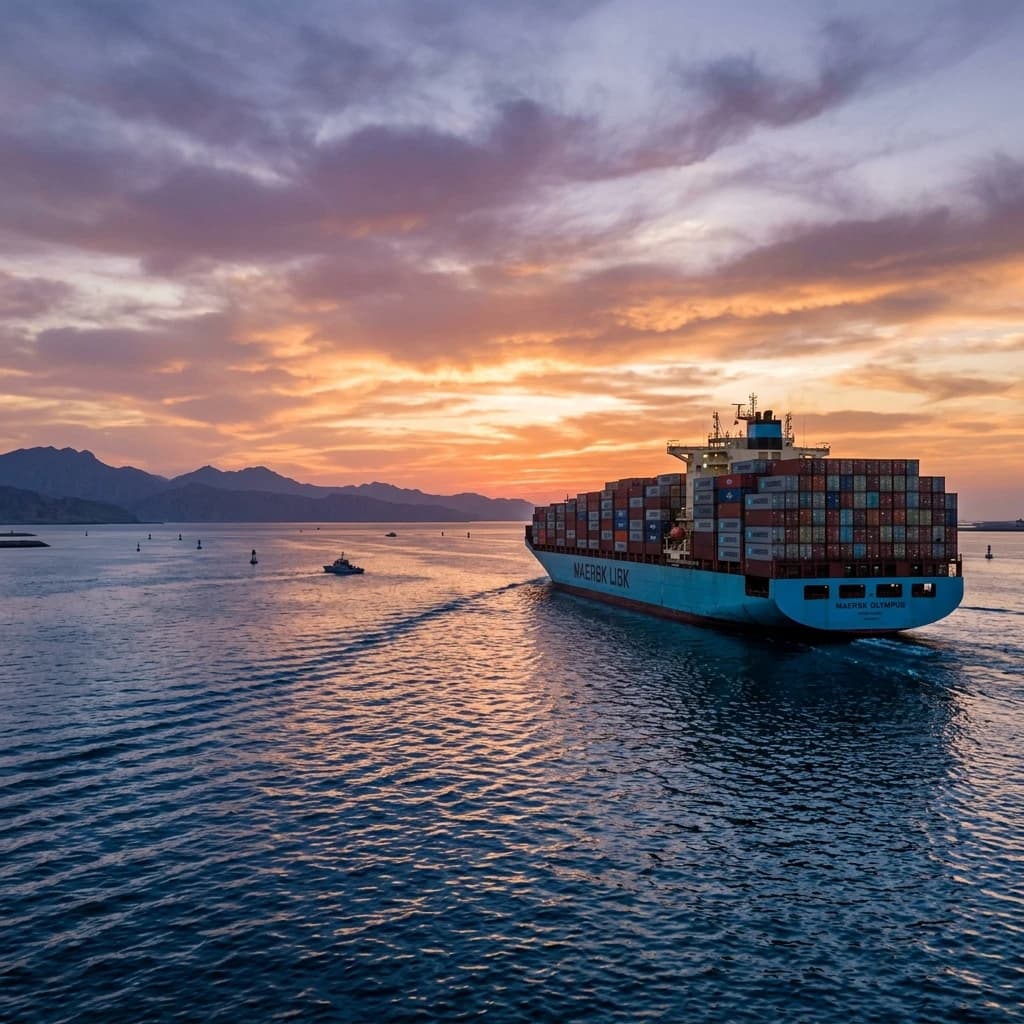
The ministerial gathering in Manila represents the first coordinated intergovernmental response by Southeast Asian leadership since the collapse of diplomatic negotiations in Pakistan last month led to a dramatic escalation in Middle Eastern military engagements. Commercial shipping lines operating between the Persian Gulf and East Asia have suspended transit through the Strait of Hormuz due to retaliatory missile strikes and naval drone deployments, cutting off roughly 20 percent of global daily petroleum consumption. For Southeast Asia, which relies on Persian Gulf imports for nearly 60 percent of its crude oil requirements, the standstill threatens severe economic disruption.
During the opening plenary, ministers formally voiced "serious concern" regarding the widespread impact of the hostilities on international sea lanes of communication (SLOCs). Beyond immediate fuel deficits, the blockaded trade channels have disrupted critical shipments of nitrogen-based fertilizers and liquefied natural gas (LNG), threatening agricultural yields across Vietnam, Thailand, and Indonesia ahead of the late-2026 harvest season.
To confront the cascading bottleneck, ASEAN ministers agreed in principle to activate the emergency oil-sharing clause under the ASEAN Petroleum Security Agreement. Under this framework, energy-producing member states—including Indonesia, Malaysia, and Brunei—will evaluate diverted export capacity to supply net energy importers like the Philippines, Thailand, and Singapore. Technical working groups have been instructed to finalize pricing formulas and logistics routes within 48 hours to avert localized fuel shortages.
The week-long ministerial schedule in Manila also encompasses the ASEAN Post-Ministerial Conferences (PMC), bringing together senior diplomats from key global dialogue partners, including the United States, China, Japan, India, South Korea, Russia, and the European Union. Concurrently, foreign ministers from the Quadrilateral Security Dialogue (Quad)—comprising Australia, India, Japan, and the United States—are convening on the sidelines to align maritime surveillance and commercial escort strategy across the Indian Ocean and Malacca Strait.
🔍 Geopolitical & Global Analysis
Diplomatic & Security Impact
The Manila talks underscore the deep interconnectedness between Middle Eastern security dynamics and Indo-Pacific regional stability. While ASEAN historically prioritizes intra-regional concerns such as the Myanmar civil crisis and South China Sea maritime protocols, the current crisis highlights the vulnerability of global trade chokepoints. Diplomatic efforts in Manila are focused on preventing the conflict from fragmenting regional security architecture.
ASEAN's commitment to strategic neutrality is being severely tested as member states balance their defense ties with Washington against trade dependence on Beijing and energy imports from Middle Eastern suppliers. By leveraging ASEAN centrality, the summit aims to maintain open lines of communication between competing global powers while advocating for an immediate de-escalation of hostilities around vital international shipping lanes.
Global Economic Effects
The economic ramifications of the Middle East blockade extend far beyond energy markets. Global maritime freight rates along Asia-Europe and Persian Gulf-Indo-Pacific trade routes have jumped over 140 percent in less than two weeks, driven by skyrocketing war-risk insurance premiums and lengthier rerouting around the Cape of Good Hope.
This logistical bottleneck threatens to reignite global headline inflation, potentially forcing central banks in major economies to delay anticipated monetary easing cycles. For emerging ASEAN economies, sustained high energy costs threaten fiscal budgets, as governments face difficult choices between ballooning public fuel subsidies or passing sharp price increases directly to consumers, which risks social unrest.
Key Nations Involved
- The Philippines (2026 ASEAN Chair): Positioned at the center of summit diplomacy, Manila is pushing for binding regional energy protocols while hosting high-level bilateral dialogues between Western and Asian powers.
- United States: Represented by senior diplomatic delegations, Washington is seeking international support for its military posture in the Middle East while reassuring Asian allies regarding energy supply security and open Indo-Pacific maritime lanes.
- China: Beijing has sent senior foreign ministry envoys to Manila, reiterating calls for an immediate cease-fire while negotiating bilateral trade and diplomatic frameworks with ASEAN members to safeguard its own massive energy import requirements.
- India & Quad Partners: New Delhi, acting alongside Quad partners, is advocating for enhanced joint maritime domain awareness across the Indian Ocean to protect commercial shipping corridors connecting Asia to European and Middle Eastern markets.
📊 Summary Timeline & Key Data
| Date / Factor | Details | Significance |
|---|---|---|
| July 12, 2026 | U.S.-Iran diplomatic talks in Pakistan collapse without resolution | Initiated sharp military escalation and maritime threat posture in Persian Gulf |
| July 14–20, 2026 | Sustained military strikes target Gulf maritime infrastructure and naval assets | Resulted in total commercial shipping standstills through Strait of Hormuz |
| July 19, 2026 | Opening of 59th ASEAN Foreign Ministers' Meeting (AMM) in Manila | Shifted regional agenda toward emergency energy security and trade resilience |
| July 21, 2026 | ASEAN agrees to activate Petroleum Security Agreement (APSA) emergency provisions | Establishes regional oil-sharing protocols to cushion net energy importers |
| July 22–24, 2026 | Scheduled Quad Foreign Ministers and ASEAN Post-Ministerial Conferences | High-level multilateral talks on maritime security, supply chains, and de-escalation |
🔮 What to Watch Next
- Activation of the ASEAN Petroleum Security Agreement (APSA): Watch for technical agreement details on energy reallocation volumes and logistics between Malaysia, Indonesia, Brunei, and net importers by July 23.
- Quad Foreign Ministers' Joint Statement: Monitor the upcoming joint declaration from Australia, India, Japan, and the U.S. in Manila regarding naval escorts and maritime domain awareness in the Indian Ocean.
- ASEAN-China 2+2 Framework Implementation: Track progress on newly proposed diplomatic and defense dialogue mechanisms intended to stabilize South China Sea supply routes amidst global trade volatility.
- Global Energy Market Movements: Benchmark crude pricing and freight futures over the coming week as U.S. tariff policy deadlines and Middle Eastern developments continue to impact commodity markets.
📬 Stay Ahead of Global News
Get our daily global news intelligence briefing delivered straight to your inbox. Subscribe to The India Brief Newsletter →
Sources: Reuters, Associated Press, BBC World News, Official Statements.
Disclosure: This post contains affiliate links. If you purchase through our links, we may earn a small commission at no extra cost to you.
Enjoyed this post?
Get our weekly digest delivered free.
Share this post:
Knowelth is reader-supported. We may earn a commission from links in this article at no extra cost to you. Read our disclosure.
Related Posts

Global Turmoil: Hormuz Shipping Standoff, Europe's Heatwave Crisis, and France's Under-15 Social Media Ban
Global Turmoil: Hormuz Shipping Standoff, Europe's Heatwave Crisis, and France's Under-15 Social Media Ban The geopolitical and environmental landscape shifted dramatically today as escalating naval t…
ASEAN Foreign Ministers Convene in Manila Amid Escalating Strait of Hormuz Crisis and Global Energy Shocks
ASEAN Foreign Ministers Convene in Manila Amid Escalating Strait of Hormuz Crisis and Global Energy Shocks Published on July 21, 2026 | Reading time: 5 minutes MANILA — Foreign ministers from th…
US Launches Sixth Night of Airstrikes on Iran as Strait of Hormuz Crisis Deepens
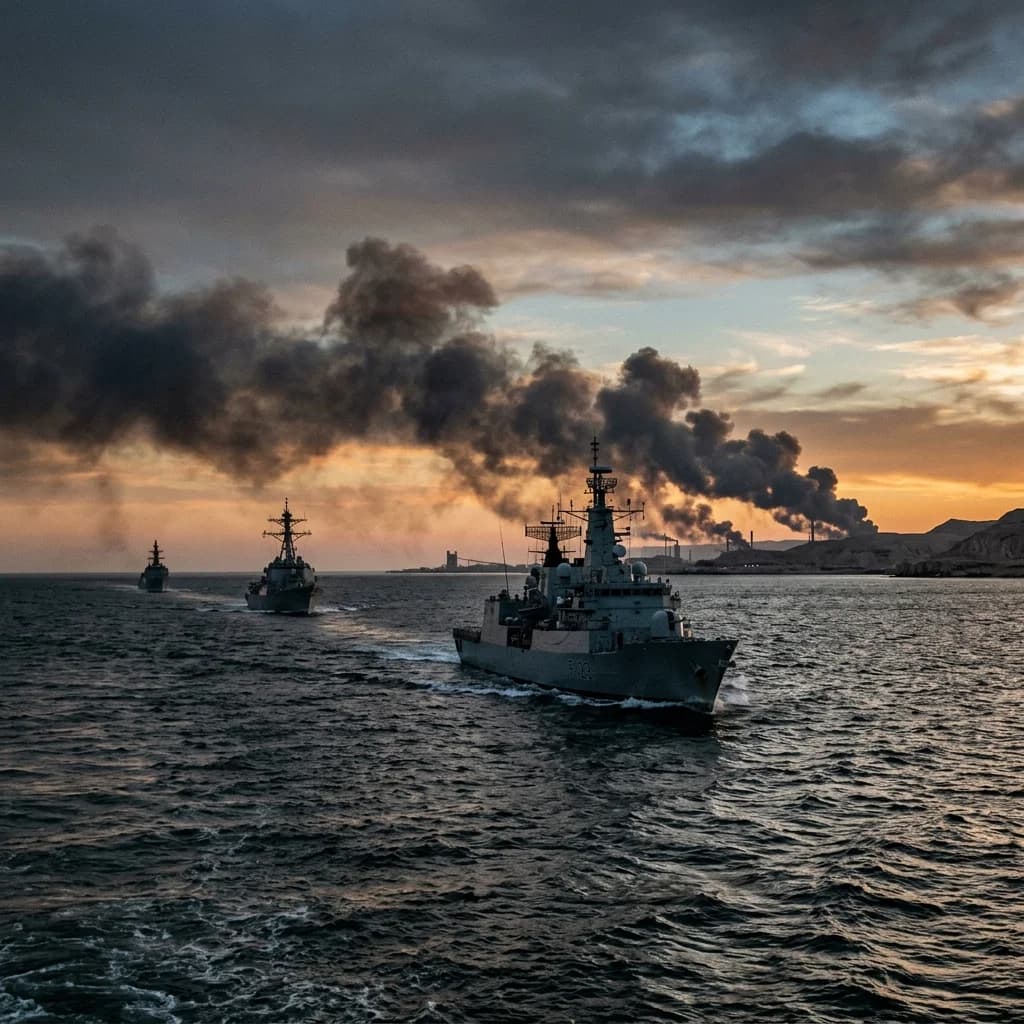
Breaking: US Launches Sixth Night of Airstrikes on Iran as Strait of Hormuz Crisis Deepens Last updated: 2026-07-17 16:20 IST The United States has expanded its military campaign against Iran, launchi…