Clinical Ayurveda: Nirgundi for Joint Pain, Kutaja for IBS, and Arogyavardhini Vati for Lipids
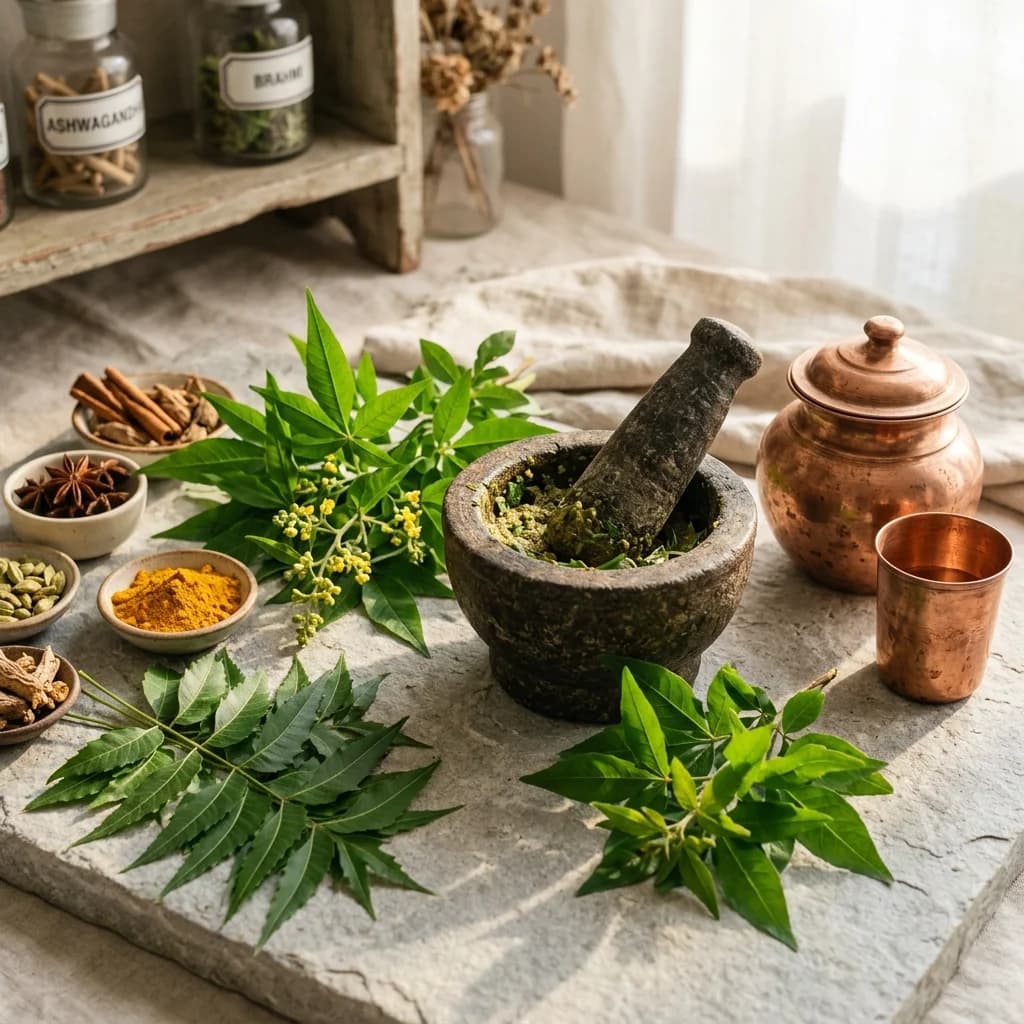
Clinical Ayurveda: Nirgundi for Joint Pain, Kutaja for IBS, and Arogyavardhini Vati for Lipids
As modern medicine increasingly seeks natural, integrative solutions for chronic conditions, traditional Indian medicine (AYUSH) is receiving significant attention from the scientific community. This week, we explore the clinical validation of three major Ayurvedic remedies: Nirgundi (Vitex negundo) for joint inflammation, Kutaja (Holarrhena antidysenterica) for irritable bowel syndrome (IBS), and Arogyavardhini Vati for cholesterol and metabolic liver health. These peer-reviewed developments demonstrate how time-tested herbal and herbo-mineral formulations can offer reliable, evidence-based options to complement modern wellness strategies.
🌿 Joint and Musculoskeletal Health: Nirgundi's Anti-Inflammatory Efficacy
Vitex negundo, traditionally known as Nirgundi (which translates to "that which protects the body from diseases"), is one of the most celebrated anti-arthritic and anti-inflammatory herbs in Ayurveda. Energetically, it possesses Tikta (bitter) and Kashaya (astringent) rasas (tastes), Laghu (light) and Rooksha (dry) gunas (properties), and an Ushna veerya (hot potency). These qualities make it uniquely suited to pacify the Vata and Kapha doshas, which, when aggravated, lead to joint stiffness, swelling, and localized pain. In traditional practice, Nirgundi is administered as a leaf paste, medicated oil (Nirgundi Taila), or a decoction to manage conditions like Sandhigata Vata (osteoarthritis) and Gridhrasi (sciatica).
Modern pharmacological research has focused extensively on validating Nirgundi's anti-inflammatory and analgesic mechanisms. Phytochemical screenings reveal that the plant is rich in bioactive compounds such as casticin, negundoside, and luteolin. These molecules have been shown to inhibit key inflammatory pathways by suppressing cyclooxygenase-2 (COX-2) and 5-lipoxygenase (5-LOX) enzymes, as well as downregulating pro-inflammatory cytokines like TNF-α and IL-1β. Preclinical models have shown that Nirgundi extracts yield analgesic efficacy comparable to non-steroidal anti-inflammatory drugs (NSAIDs) like diclofenac, but without the corresponding gastrointestinal risks.
Clinical validation is also emerging. Small-scale double-blind trials have demonstrated that Nirgundi-based therapy combined with physiotherapy leads to a significant reduction in joint pain and stiffness scores over an eight-week period. Furthermore, studies on patients with sciatica (Gridhrasi) indicate that oral administration of Nirgundi Ghan Vati helps improve joint mobility and reduces pain severity. By offering a dual mechanism of Vata pacification and biological pathway inhibition, Nirgundi represents a highly effective natural adjunct for musculoskeletal care.
🥣 Digestive Restoration: Kutaja's Efficacy in IBS and Colitis
Holarrhena antidysenterica, known in classical Ayurveda as Kutaja, has been the premier remedy for intestinal disorders for thousands of years. It is classically indicated for Atisara (diarrhea), Pravahika (dysentery), and Grahani Roga (malabsorption syndrome/Irritable Bowel Syndrome). From an Ayurvedic perspective, Kutaja exhibits Tikta (bitter) and Kashaya (astringent) rasas, Laghu (light) and Rooksha (dry) gunas, and a Sheeta veerya (cooling potency). It directly addresses the root of digestive diseases by pacifying the Pitta and Kapha doshas, drying up excess moisture (Kleda) in the colon, and strengthening the Agni (digestive fire) to prevent the formation of metabolic toxins (Ama).
Modern clinical science is beginning to confirm these gastroprotective benefits, particularly for Irritable Bowel Syndrome (IBS). A prospective, open-label clinical trial evaluated Kutajarishta—a traditional fermented Ayurvedic formulation of Kutaja—in patients diagnosed with mixed-type IBS (IBS-M). The study demonstrated that the preparation significantly reduced IBS severity scores, stabilized bowel habits, and improved overall patient quality of life without causing adverse effects. Additionally, a clinical study on a polyherbal capsule containing Kutaja alongside other digestive herbs showed substantial reductions in abdominal pain, flatulence, and defecation urgency (measured by the IBS-QOL-36 index).
Pharmacological analyses attribute Kutaja's therapeutic efficacy to its high concentration of steroidal alkaloids, particularly conessine. Research shows that conessine and other alkaloids function as natural calcium channel blockers and modulate histamine receptors in the gut wall, effectively relaxing intestinal smooth muscle and slowing down hypermotility. Furthermore, Kutaja has shown promising anti-inflammatory and mucosal healing properties in comparative studies for ulcerative colitis, showing symptom reduction comparable to standard mesalamine. By balancing gut motility and calming intestinal inflammation, Kutaja offers a clinically validated pathway to gut restoration.
🩸 Metabolic and Hepatic Health: Arogyavardhini Vati for Cholesterol Regulation
Arogyavardhini Vati is one of the most renowned herbo-mineral formulations in the Ayurvedic formulary, traditionally prescribed to balance all three doshas (Tridoshahara), stimulate Agni, and clear metabolic blockages (Srotoshodhana). Translated as "the tablet that improves health," its traditional indications span Yakrit Roga (liver disorders), Medoroga (obesity and lipid disorders), and chronic skin diseases. Energetically, it possesses Deepana (appetizer), Pachana (digestive), Lekhana (scraping/reducing), and Medohara (lipid-lowering) properties. It contains a precise blend of herbs like Katuki, Haritaki, Bibhitaki, and Amalaki (Triphala), combined with purified mineral calces (Bhasmas) of copper (Tamra), iron (Loha), and mica (Abhraka).
Modern cardiology and hepatology have recently highlighted Arogyavardhini Vati's clinical efficacy in managing dyslipidemia and metabolic liver conditions. A prospective interventional clinical study published in 2026 evaluated the efficacy of Arogyavardhini Vati in fifty subjects presenting with elevated low-density lipoprotein (LDL) cholesterol. After a six-month course of treatment, the results were highly significant: mean LDL cholesterol levels dropped from a baseline of 188.58 mg/dl to 97.76 mg/dl, with 90% of the study participants achieving healthy, normal lipid levels. Researchers attribute this hypolipidemic effect to the formulation's ability to enhance hepatic lipid metabolism, upregulate LDL receptors, and prevent LDL oxidation, thereby mitigating the risk of atherosclerosis.
Furthermore, clinical research in early 2026 has validated the formulation's hepatoprotective role in Non-Alcoholic Fatty Liver Disease (NAFLD). By stimulating bile secretion and reducing lipid accumulation in hepatocytes, Arogyavardhini Vati has been shown to improve liver enzymes (ALT and AST) and reduce fatty infiltration of the liver. However, because of its herbo-mineral nature, which includes processed heavy metals, clinical safety is paramount. Medical studies emphasize that when prepared according to traditional purification (Shodhana) guidelines by licensed manufacturers and administered under the supervision of a qualified Ayurvedic physician, the formulation is entirely safe and highly effective. It stands as a prime example of Ayurvedic chemistry providing precise metabolic regulation for modern health challenges.
📌 The Bottom Line
- nirgundi-joint-pain: Small-scale clinical trials and pharmacological research demonstrate that Vitex negundo (Nirgundi) inhibits key inflammatory pathways (COX-2/5-LOX) to significantly reduce joint pain and improve mobility in arthritis and sciatica.
- kutaja-ibs-gut: Holarrhena antidysenterica (Kutaja) is clinically validated to reduce IBS severity scores and intestinal hypermotility, acting through calcium channel and histamine receptor modulation.
- arogyavardhini-vati-lipids: A 2026 interventional study shows that the herbo-mineral formulation Arogyavardhini Vati reduces mean LDL cholesterol by over 48% over a six-month period, while supporting liver function in fatty liver disease.
Disclaimer: The information provided in this post is for educational and informational purposes only. It is not intended to be a substitute for professional medical advice, diagnosis, or treatment. Always seek the advice of your physician or other qualified health provider with any questions you may have regarding a medical condition.
Enjoyed this post?
Get our weekly digest delivered free.
Share this post:
Knowelth is reader-supported. We may earn a commission from links in this article at no extra cost to you. Read our disclosure.
Related Posts
Systems Biology, Circadian Dinacharya, and Gut-Agni Chrono-Nutrition: The Science Validating Ayurvedic Medicine
Systems Biology, Circadian Dinacharya, and Gut-Agni Chrono-Nutrition: The Science Validating Ayurvedic Medicine Modern healthcare is undergoing a paradigm shift from reductionist single-molecule thera…
Clinical Validation in Ayurveda: Cardiometabolic Formulations, Chrononutrition Agni Science, and Ayurgenomics in Ovarian Reserve
Clinical Validation in Ayurveda: Cardiometabolic Formulations, Chrononutrition Agni Science, and Ayurgenomics in Ovarian Reserve Traditional Indian medicine is undergoing a profound scientific renaiss…
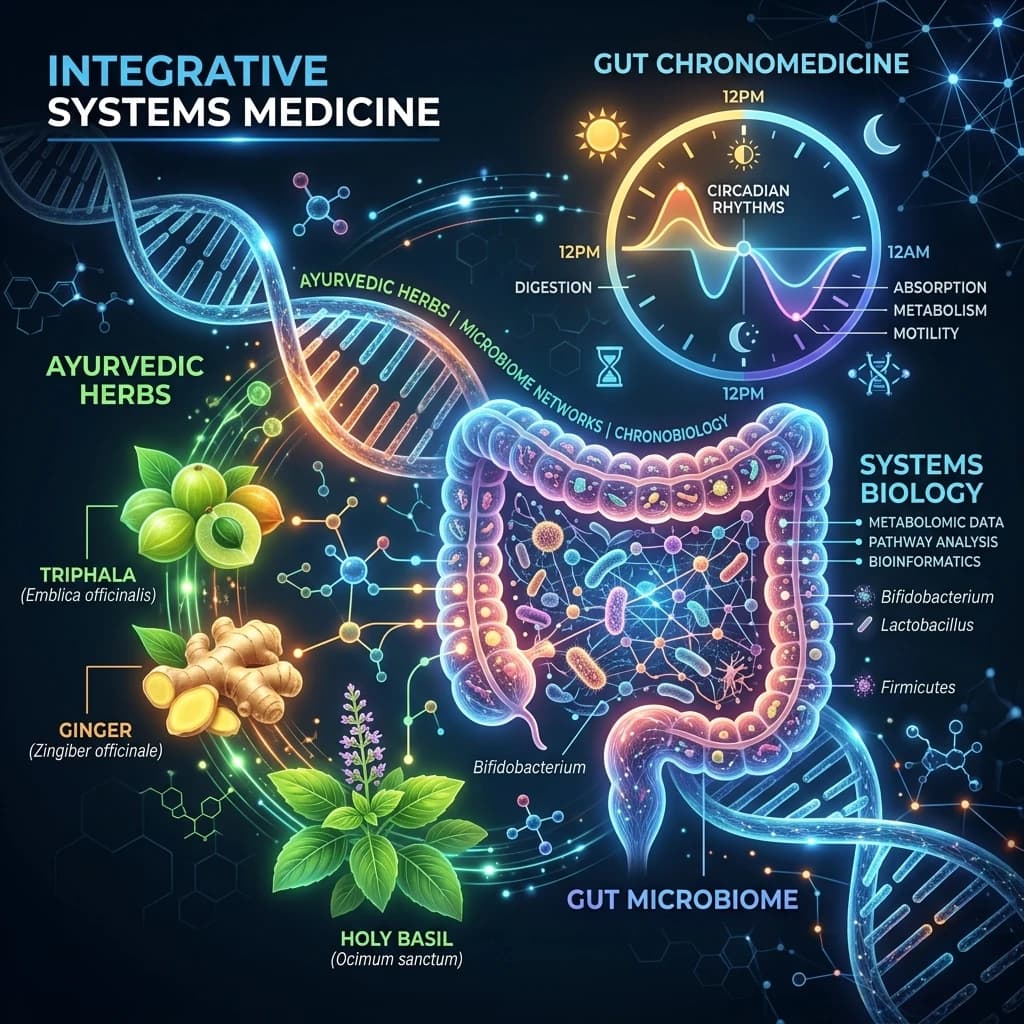
Ayurveda Meets Systems Biology: Agni, Chronomedicine, and Botanical Synergy in Modern Clinical Science
Ayurveda Meets Systems Biology: Agni, Chronomedicine, and Botanical Synergy in Modern Clinical Science The 2025–2026 wave of systems biology research has made an unambiguous statement: the three pilla…