Global Flashpoints: Caspian Maritime Escalation, UN AI Governance Push, and Europe's Wildfire Crisis
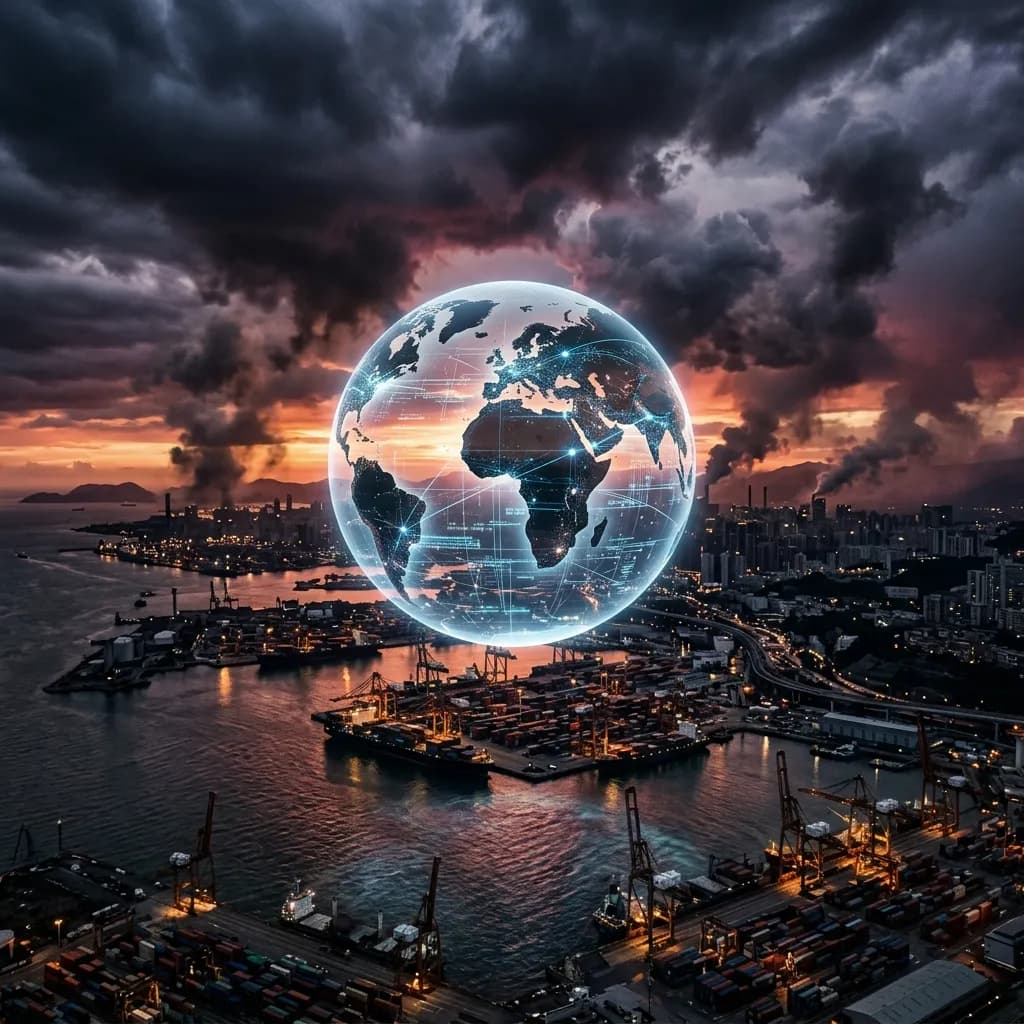
Global Flashpoints: Caspian Maritime Escalation, UN AI Governance Push, and Europe's Wildfire Crisis
As mid-summer 2026 unfolds, geopolitical volatility, technology policy, and climate disruption are converging on an unprecedented global scale. From strategic strikes reshaping Eurasian maritime trade routes to historic calls for artificial intelligence oversight at the United Nations, today’s major events underscore an increasingly interconnected world facing critical inflection points.
🌍 Caspian Sea Strikes & Hormuz Pause: Maritime Volatility Escalates
Ukrainian long-range military strikes hit Russian vessel operations and logistics routes in the Caspian Sea, marking a significant geographic widening of the war. Concurrently, President Donald Trump announced a temporary pause in U.S. airstrikes around the strategic Strait of Hormuz following intensive bombardments aimed at safeguarding commercial oil tankers. The Caspian strikes directly target Eurasian trade links and Iranian military transfers to Russia, while the shift in Hormuz operations reflects tactical shifts as diplomatic pressure mounts to restore stable global shipping channels. With both critical maritime arteries destabilized, energy markets and international supply chains face mounting risks, prompting urgent diplomatic discussions across global capitals.
🤖 UN Demands Global AI Governance at WAIC 2026
At the World Artificial Intelligence Conference (WAIC) in Shanghai, United Nations Secretary-General António Guterres delivered a firm mandate calling for inclusive international oversight of artificial intelligence. Highlighting that autonomous systems and agentic AI are rapidly embedding into core civilian and financial infrastructure, Guterres warned against allowing a small cartel of tech giants or powerful nations to dictate AI development. The call coincided with global observations of AI Appreciation Day, emphasizing transparency, safety protocols, and algorithmic accountability. As global supercomputers advance and AI systems manage critical networks, international consensus on governance is morphing from a policy debate into an urgent geopolitical imperative.
🔥 Europe Battles Mega-Wildfires as Extreme Heat Spreads
Southern Europe is facing severe ecological strain as historic summer heatwaves spark mega-wildfires across France, particularly threatening the Bordeaux region. Firefighters report that massive pyrocumulonimbus plumes have generated their own localized weather systems, driving unpredictable wind shifts and accelerating flame propagation. Thousands of residents and tourists have been evacuated as emergency crews battle complex blazes across dried-out terrain. Environmental experts point to compounding heat anomalies as clear evidence of accelerating climate destabilization, raising questions about infrastructure resilience and disaster preparedness across the continent.
📌 The Bottom Line
- caspian-shipping-escalation: Ukrainian Caspian strikes and Hormuz operational pauses highlight deepening risks to key Eurasian and Middle Eastern commercial shipping routes.
- global-ai-governance: UN Secretary-General Guterres urges worldwide multilateral consensus to regulate agentic AI infrastructure before power becomes overly concentrated.
- europe-wildfire-crisis: Unprecedented pyrocumulonimbus blazes in Southern France underscore mounting severe climate impacts on European ecosystems and regional stability.
📫 Stay Updated
Get the world's top stories delivered to your inbox every morning. Subscribe to our free newsletter →
Disclosure: This post contains affiliate links. If you purchase through our links, we earn a small commission at no extra cost to you. We only recommend products we believe in.
Enjoyed this post?
Get our weekly digest delivered free.
Share this post:
Knowelth is reader-supported. We may earn a commission from links in this article at no extra cost to you. Read our disclosure.
Related Posts
Global Briefing: Hormuz Shipping Standoff, Super El Niño Energy Crisis, and the World Bank's AI Lifeline
Global Briefing: August 4, 2026 As August opens, three pivotal developments are shaping the global geopolitical, environmental, and technological landscape. High-stakes negotiations over the Strait of…
Global Briefing: Record Protectionism Surge, Strait of Hormuz Naval Accords, and European Wildfire Crisis
Global Briefing: August 4, 2026 As August opens, three pivotal developments are shaping the global geopolitical, economic, and environmental landscapes. Joint international reports confirm that trade …
US-Iran Talks Begin as Trump Backs Off Strike, Moscow Blast Declared Terror, Kerala Floods Kill 8
US-Iran Talks Begin as Trump Backs Off Strike, Moscow Blast Declared Terror, Kerala Floods Kill 8 Today's global landscape is marked by stark contrasts: a sudden pivot from military escalation to dipl…