Global Briefing: Hormuz Shipping Standoff, Super El Niño Energy Crisis, and the World Bank's AI Lifeline
Global Briefing: August 4, 2026
As August opens, three pivotal developments are shaping the global geopolitical, environmental, and technological landscape. High-stakes negotiations over the Strait of Hormuz threaten energy supply stability; an unrelenting "Super El Niño" cycle is forcing emergency shutdowns of critical power infrastructure across Europe; and the World Bank has published a landmark economic report outlining how artificial intelligence could redefine growth for developing nations.
1. Geopolitics & Energy: High-Stakes Diplomacy at the Strait of Hormuz
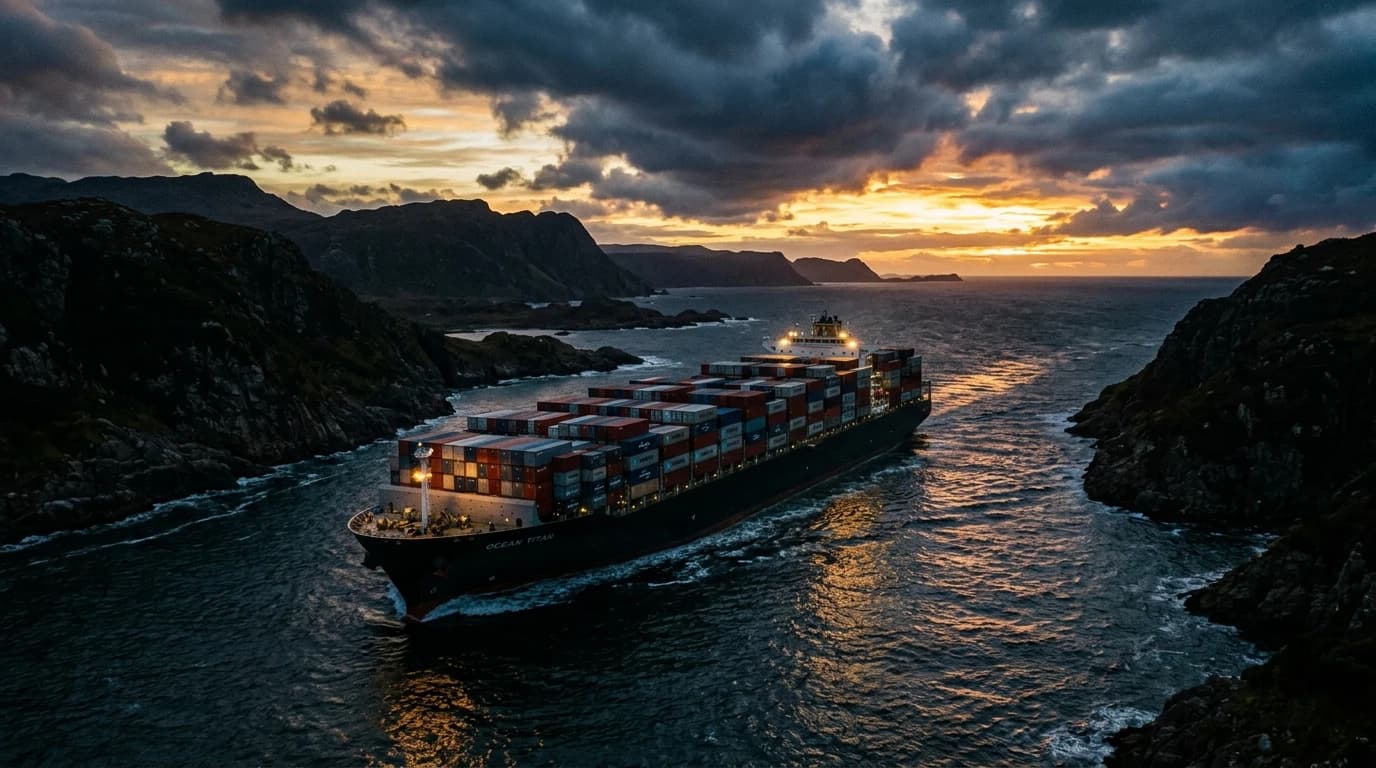
Diplomatic tension reached a critical crescendo in the Persian Gulf today as conflicting signals emerged regarding the status of the Strait of Hormuz—the maritime artery responsible for the transit of nearly a fifth of the world’s petroleum consumption.
The Diplomatic Impasse
Following secret talks mediated by Oman, reports indicated a potential framework agreement that could resume commercial maritime traffic through the narrow waterway. However, the diplomatic posture remains extremely fragile:
- U.S. Stance: The White House characterized current negotiations as a "final window" for diplomatic resolution, signaling that failure to secure unhindered transit could provoke direct military countermeasures against naval blockades.
- Tehran's Position: Iranian diplomatic representatives publicly rejected claims of a completed deal, maintaining that transit rights will remain restricted until U.S. naval deployments in adjacent international waters are rolled back.
- Market Reaction: Brent crude futures experienced sharp intraday volatility, surging over 4.2% before stabilizing as energy traders priced in the dual risks of prolonged shipping blockades and potential supply chain re-routing around the Cape of Good Hope.
Analyst consensus indicates that even a temporary disruption in Hormuz shipping lanes severely strains global refining operations, pushing insurance premiums for liquid natural gas (LNG) and crude tankers to multi-year highs.
2. Climate & Infrastructure: Super El Niño Triggers European Energy Curtailments
A historic multi-year Super El Niño weather pattern continues to wreak havoc on global hydrological systems, delivering acute supply chain and energy shocks across Europe and North Africa.
       [ Super El Niño Drought Cycle ]
                     │
      ┌──────────────┴──────────────┐
      ▼                             ▼
[ Danube Water Drops ]    [ Rhine Shipping Restrictions ]
      │                             │
      ▼                             ▼
[ Paks Nuclear Shutdown ] [ Industrial Freight Delays ]
Critical Infrastructure Under Pressure
In Central Europe, extreme heat and record-low rainfall have driven the Danube River down to unprecedented low water levels, triggering severe operational emergencies:
- Hungary’s Paks Nuclear Power Plant: Operators were forced into a near-total emergency shutdown of primary cooling intake systems as water temperatures surpassed regulatory safety limits and river volumes sank below operational thresholds. The curtailment stripped over 1,200 megawatts of baseload capacity from the regional power grid.
- Rhine Logistics: In Germany, inland barge transit along the Rhine has been curtailed to less than 35% of standard payload capacity, forcing heavy industry and chemical manufacturers to rely on expensive rail and road cargo alternatives.
- Global Cascades: Parallel drought conditions have exacerbated ongoing grid instabilities across North Africa and the Caribbean, highlighting the acute vulnerability of legacy power infrastructure to rapid climatic shifts.
Government energy ministries across the European Union have convened emergency panels to coordinate cross-border electricity sharing, while utility providers accelerate investments into closed-loop cooling technologies and decentralized solar storage.
3. Technology & Global Economy: The World Bank's AI Lifeline for Developing Nations
In a major policy release today, the World Bank published its flagship report on the economic trajectory of generative artificial intelligence in emerging markets, reframing the global debate around automation and labor displacement.
Key Findings & Strategic Imperatives
While previous economic models warned of potential labor dislocation in low- and middle-income countries, the World Bank’s updated empirical assessment highlights a transformative upside:
- Productivity Leapfrogging: Generative AI tools are providing small and medium enterprises (SMEs) in Southeast Asia, Sub-Saharan Africa, and Latin America with low-cost access to advanced financial modeling, legal compliance, and localized market analytics—effectively bypassing traditional infrastructural bottlenecks.
- Public Service Delivery: AI-driven diagnostic and instructional agents are expanding primary healthcare reach and vocational training in rural regions where specialized human expertise remains scarce.
- The Connectivity Gap: The report cautions that realizing these gains depends heavily on immediate state interventions to expand 5G/satellite broadband access and establish robust data governance frameworks.
Concurrently, major frontier AI developers convened in Washington today to review voluntary safety testing standards for dual-use foundation models, signaling heightened international focus on balancing rapid AI deployment with national security and economic resilience.
Synthesis & Outlook
The events of August 4, 2026, underscore an increasingly interconnected global matrix: energy security, climate-resilient infrastructure, and technological innovation can no longer be managed in isolation. As market participants monitor the Strait of Hormuz and European utilities navigate historic drought conditions, the strategic integration of technology remains central to long-term economic stability.
Enjoyed this post?
Get our weekly digest delivered free.
Share this post:
Knowelth is reader-supported. We may earn a commission from links in this article at no extra cost to you. Read our disclosure.
Related Posts
Global Briefing: Record Protectionism Surge, Strait of Hormuz Naval Accords, and European Wildfire Crisis
Global Briefing: August 4, 2026 As August opens, three pivotal developments are shaping the global geopolitical, economic, and environmental landscapes. Joint international reports confirm that trade …
US-Iran Talks Begin as Trump Backs Off Strike, Moscow Blast Declared Terror, Kerala Floods Kill 8
US-Iran Talks Begin as Trump Backs Off Strike, Moscow Blast Declared Terror, Kerala Floods Kill 8 Today's global landscape is marked by stark contrasts: a sudden pivot from military escalation to dipl…
Global Flashpoints: Caspian Maritime Escalation, UN AI Governance Push, and Europe's Wildfire Crisis
Global Flashpoints: Caspian Maritime Escalation, UN AI Governance Push, and Europe's Wildfire Crisis As mid-summer 2026 unfolds, geopolitical volatility, technology policy, and climate disruption are …