Global Briefing: Record Protectionism Surge, Strait of Hormuz Naval Accords, and European Wildfire Crisis
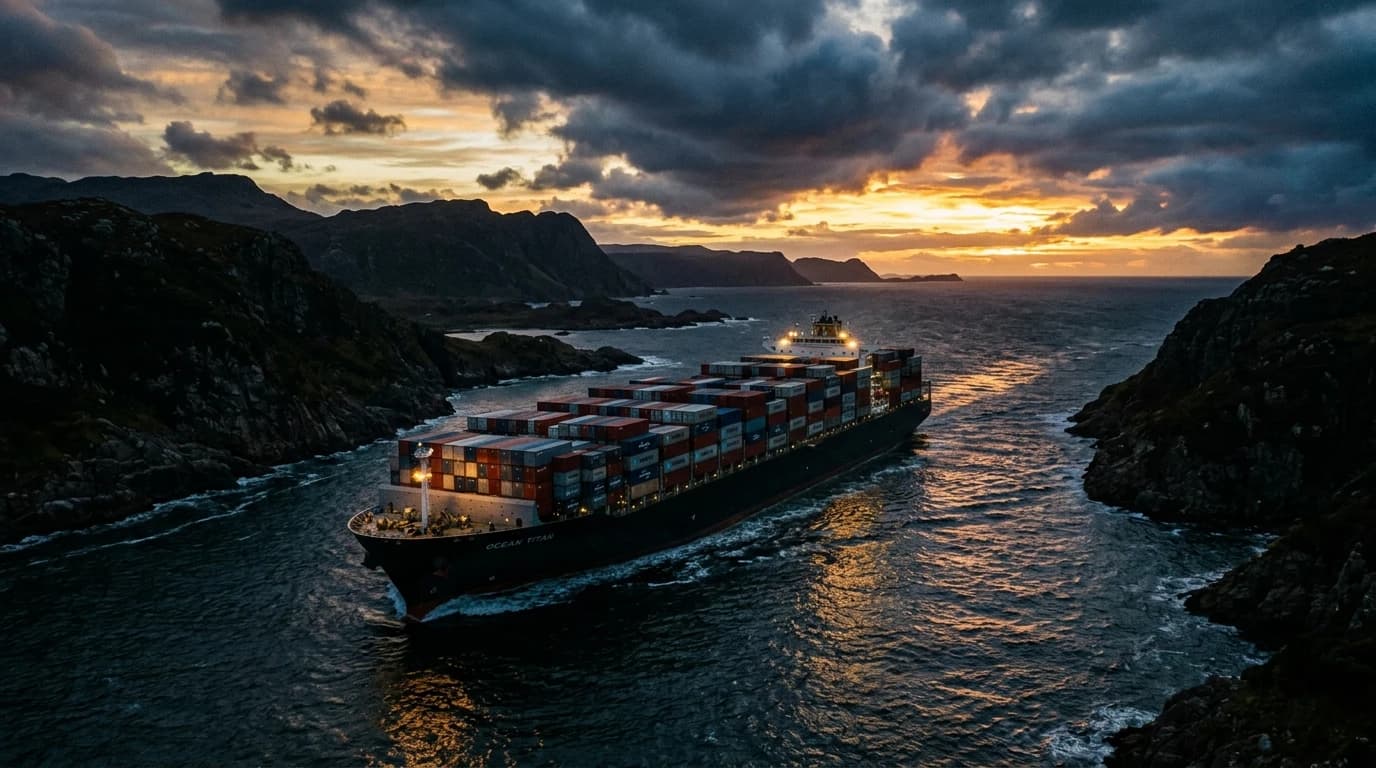
Global Briefing: August 4, 2026
As August opens, three pivotal developments are shaping the global geopolitical, economic, and environmental landscapes. Joint international reports confirm that trade protectionism has hit its highest level since the 2008 global financial crisis; delicate diplomatic negotiations mediated by Oman aim to secure commercial shipping through the Strait of Hormuz; and an accelerating wildfire and heatwave crisis across Southern and Central Europe is straining infrastructure and disaster insurance frameworks.
1. Economics & Trade: Protectionist Trade Barriers Surge to Post-2008 Highs
Data published today by the World Trade Organization (WTO) and the International Monetary Fund (IMF) highlights a dramatic intensification of economic nationalism. Restrictive trade measures—ranging from emergency tariffs and quota caps to export bans on raw materials—have significantly outpaced trade-liberalizing actions in 2026.
Key Policy Drivers and Economic Impact
The joint assessment outlines several structural factors behind the sharp rise in trade interventions:
- Escalating Tariff Interventions: Advanced and emerging economies alike have enacted targeted tariff hikes to safeguard domestic manufacturing and industrial technology sectors.
- Critical Mineral Export Restrictions: Heightened strategic competition over essential inputs for renewable technology and advanced semiconductors—such as lithium, cobalt, and rare earths—has prompted leading refining nations to enforce strict export licensing requirements.
- Divergent Growth Horizons: While global GDP growth projections hold steady at approximately 3.0% for 2026, the recovery is starkly uneven. Economies integrated into technology and AI supply chains continue to expand, whereas industrial economies reliant on imported energy face mounting cost pressures.
Economists warn that prolonged policy fragmentation risks creating supply chain friction, elevating consumer prices, and reducing capital investment in cross-border infrastructure projects.
2. Geopolitics & Energy: Oman Mediates High-Stakes Shipping Accords in the Strait of Hormuz
Diplomatic efforts in the Persian Gulf reached a critical juncture today as Oman facilitated high-level discussions aimed at maintaining maritime access through the Strait of Hormuz—the choke point through which nearly 20% of global petroleum passes.
       [ Persian Gulf ]
              |
   (Strait of Hormuz Chokepoint)  <--->  [ Oman-Mediated Framework Talks ]
              |
       [ Gulf of Oman ]
              |
      [ Arabian Sea / Indian Ocean ]
Diplomatic Dynamics and Market Response
Conflicting signals from key international stakeholders underscore the delicate nature of the maritime dialogue:
- Framework Navigation Accord: Omani negotiators presented a draft protocol establishing designated commercial transit channels designed to ensure safe passage for energy tankers and bulk cargo carriers.
- U.S. Security Stance: Washington officials reiterated that unhindered freedom of international navigation remains a non-negotiable imperative, warning that military naval assets will remain stationed in adjacent international waters to protect commercial shipping lanes.
- Tehran's Position: Iranian diplomatic spokespersons noted that while dialogue remains constructive, long-term transit guarantees depend on wider regional security arrangements and the drawdown of external military presences.
- Energy Market Volatility: Brent crude futures fluctuated by over 3.5% during intraday trading. Energy analysts emphasize that even brief disruptions to Strait traffic trigger immediate risk premiums, prompting shipping conglomerates to evaluate alternative long-haul routes around the Cape of Good Hope.
3. Climate & Infrastructure: Wildfire Emergency and Inland Waterway Disruptions Paralyze Europe
Southern Europe is confronting one of its most destructive summer wildfire seasons in recent history, while low water levels along key inland waterways are complicating freight transport across Central Europe.
Economic and Infrastructure Damages
- Severe Wildfires in France, Spain, and Greece: Unprecedented dry spells and intense heatwaves have ignited widespread forest fires. In France alone, preliminary economic loss estimates range between €10 billion and €15 billion, affecting forestry, agriculture, and tourism.
- Insurance and Municipal Strain: The scale of climate-related damages has sparked urgent debate within the European Union regarding the long-term solvency of emergency reinsurance pools and state-backed disaster funds.
- Rhine Freight Bottlenecks: Reduced precipitation has dropped river gauges along critical stretches of the Rhine River below operational thresholds for fully loaded barges. Logistics operators are being forced to split shipments onto rail and road transport, driving up freight rates for industrial raw materials and chemical inputs.
Strategic Outlook & Key Takeaways
| Domain | Primary Event | Global Outlook |
|---|---|---|
| Economics & Trade | WTO/IMF Protectionism Report | High trade friction; fragmented global supply chains. |
| Geopolitics | Strait of Hormuz Navigation Talks | Delicate maritime truce; elevated energy price volatility. |
| Climate | European Wildfires & Rhine Drought | Heavy infrastructure losses; rising logistics costs across EU. |
As these three challenges unfold simultaneously, global policymakers are forced to balance short-term economic stabilization against persistent geopolitical and environmental vulnerabilities.
Enjoyed this post?
Get our weekly digest delivered free.
Share this post:
Knowelth is reader-supported. We may earn a commission from links in this article at no extra cost to you. Read our disclosure.
Related Posts
Global Briefing: Hormuz Shipping Standoff, Super El Niño Energy Crisis, and the World Bank's AI Lifeline
Global Briefing: August 4, 2026 As August opens, three pivotal developments are shaping the global geopolitical, environmental, and technological landscape. High-stakes negotiations over the Strait of…
US-Iran Talks Begin as Trump Backs Off Strike, Moscow Blast Declared Terror, Kerala Floods Kill 8
US-Iran Talks Begin as Trump Backs Off Strike, Moscow Blast Declared Terror, Kerala Floods Kill 8 Today's global landscape is marked by stark contrasts: a sudden pivot from military escalation to dipl…
Global Flashpoints: Caspian Maritime Escalation, UN AI Governance Push, and Europe's Wildfire Crisis
Global Flashpoints: Caspian Maritime Escalation, UN AI Governance Push, and Europe's Wildfire Crisis As mid-summer 2026 unfolds, geopolitical volatility, technology policy, and climate disruption are …